
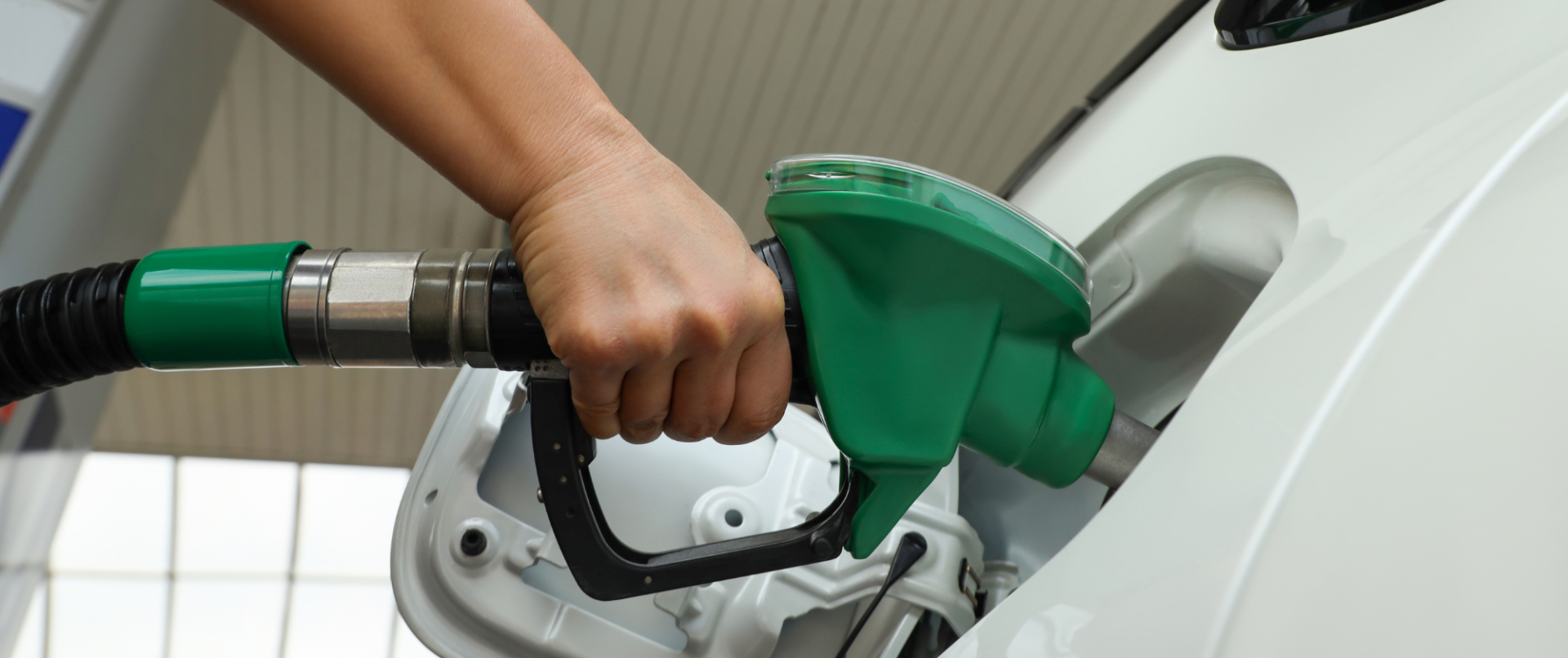
Why Is My Car Suddenly Using More Fuel?
Posted in Servicing Insights
Why Is My Car Suddenly Using More Fuel?
Your car used to get you through the week without much thought about the fuel gauge. Lately, though, you might be finding yourself at the petrol station sooner than expected.
While increased fuel consumption can sometimes point to an issue with the vehicle, it doesn't automatically mean something is wrong. Changes in traffic, weather, tyre pressure, air-conditioning use, the amount you're carrying and even the types of trips you're taking can all affect how much fuel your car uses.
But if your fuel consumption has noticeably increased and the change continues across several tanks, it may be worth looking a little closer.
Has Your Fuel Use Actually Changed?
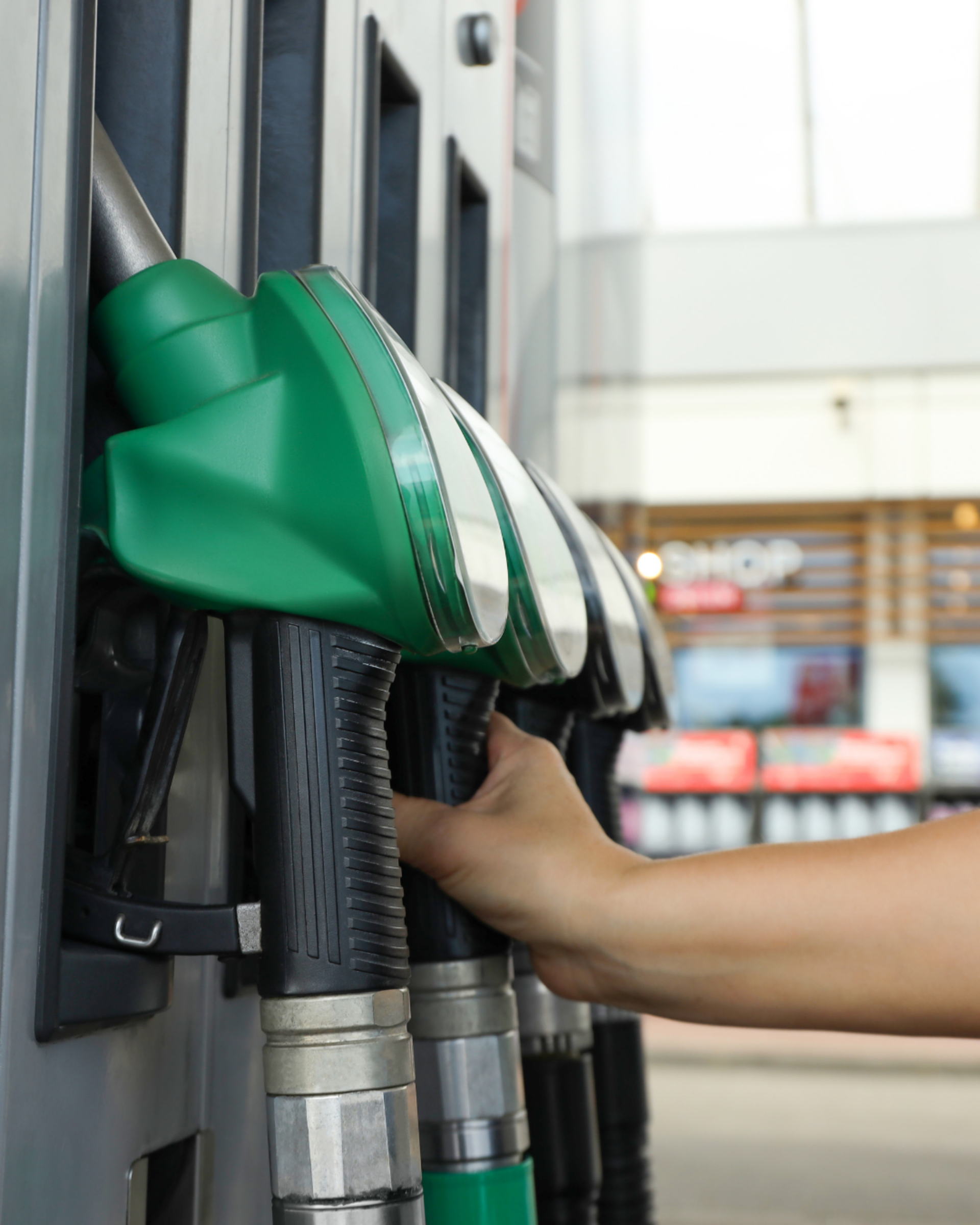
Before assuming there's a problem, it's worth confirming that your fuel consumption really has changed.
- Fill the tank consistently.
- Reset your trip reading each time you fuel up.
- Record the kilometres travelled and litres added at your next fill.
- Repeat for another two tanks.
- Compare similar types of driving - a single tank can be affected by an unusual trip, different traffic conditions or simply how much fuel was in the tank when you filled up.
Your car's dashboard fuel-consumption reading can be useful for tracking trends, but it is still an estimate. The most reliable way to understand your actual fuel use is to calculate it yourself. Use this simple formula:
Litres added ÷ kilometres travelled × 100 = L/100km
Has Anything Changed About the Way You Use the Car?
Sometimes the car hasn't changed at all, but your driving conditions have.
Think about what might be different from a few months ago. Even seemingly small changes can affect fuel consumption.
- Are your usual trips shorter?
- Are you spending more time in stop-start traffic?
- Have you been using the air-conditioning more?
- Are you carrying additional passengers, work equipment or sports gear?
- Have roof racks or a cargo pod been fitted?
- Has another family member started driving the car?
- Have you started towing something?
- Have you checked your tyre pressures recently?
What If Your Driving Hasn't Changed?
If your trips, driving habits and vehicle load are much the same as usual, it's worth considering whether something about the vehicle itself has changed.
That doesn't necessarily mean there's a major fault. Several relatively small issues can contribute to higher fuel consumption, and fuel use alone can't tell you exactly what the problem is.
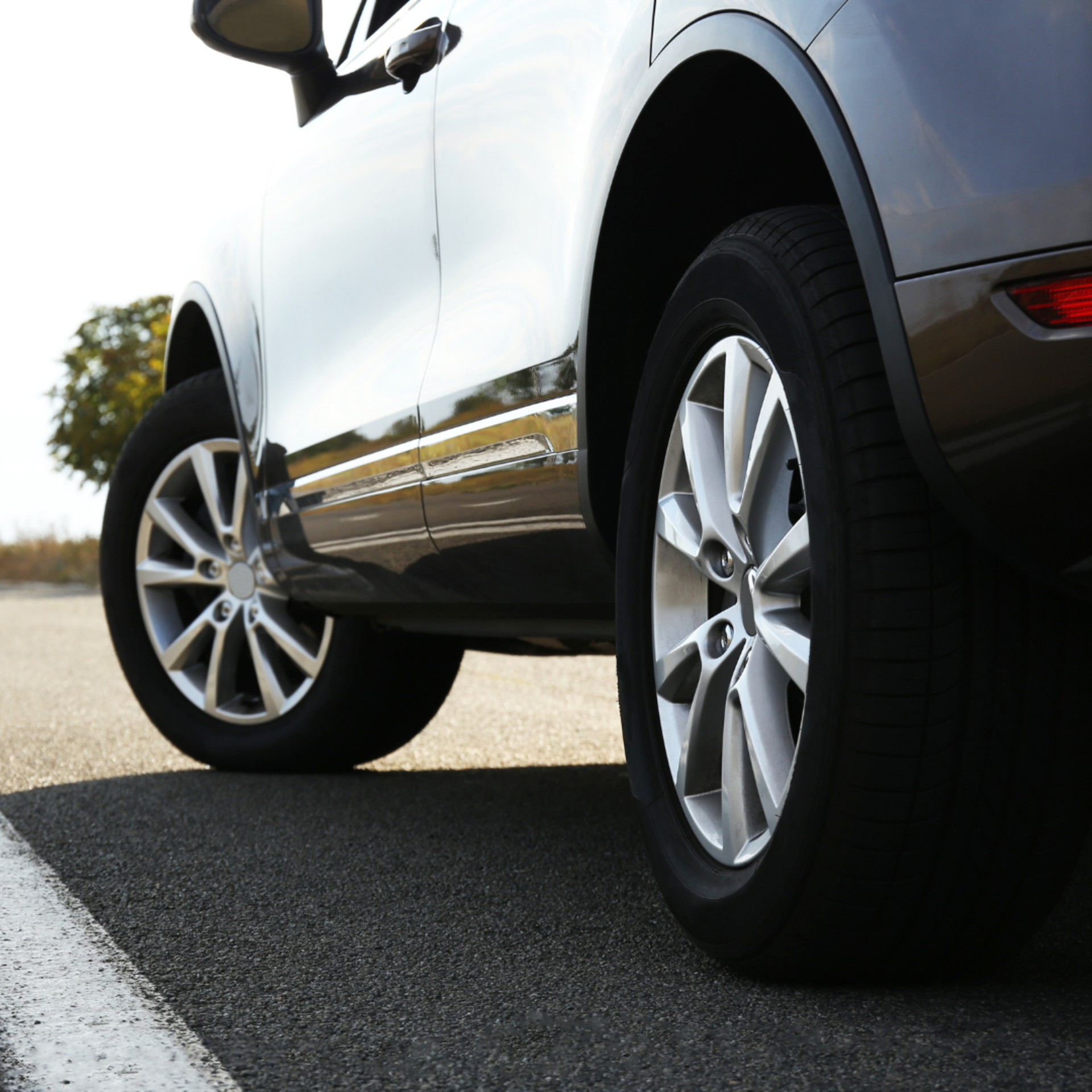
The car may be working harder to roll
Your tyres and brakes play an important role in how easily your vehicle moves.
Underinflated tyres, wheel-alignment issues or a brake that isn't releasing properly can create additional resistance. A change in tyre type or size can also affect how the vehicle performs.
These aren't things you should automatically assume are causing the problem, but they're worth checking if your fuel consumption has changed without an obvious explanation.
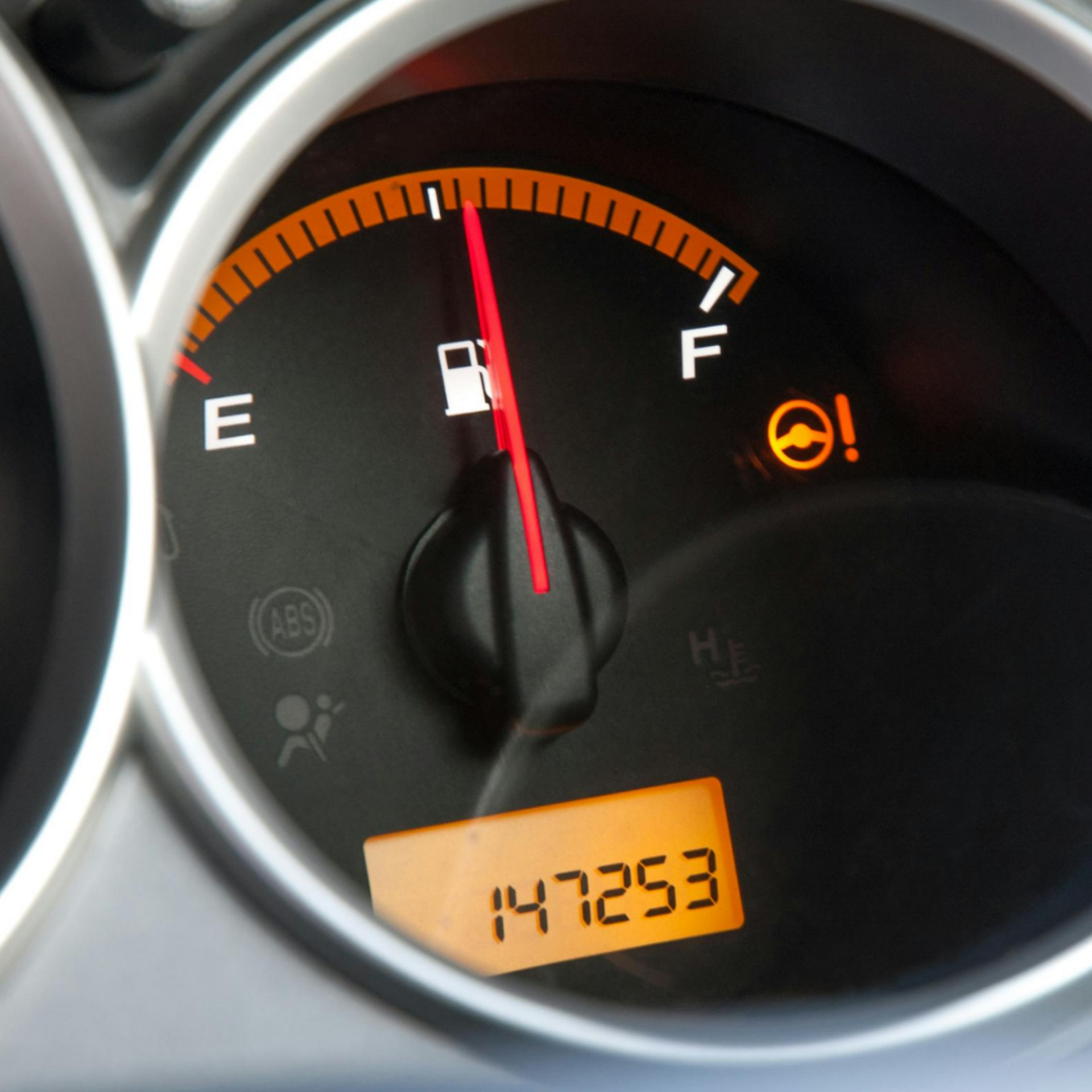
The engine may not be operating as efficiently as normal
An overdue maintenance item or an issue with the engine-management, emissions, fuel-delivery or air-intake systems can potentially affect fuel consumption.
The engine also needs to reach and maintain its intended operating temperature. If it isn't operating as it should, fuel efficiency can be affected.
Because several different issues can produce similar symptoms, replacing parts based on a guess isn't necessarily the best approach. A proper inspection and diagnostic check can help narrow down what's actually happening.
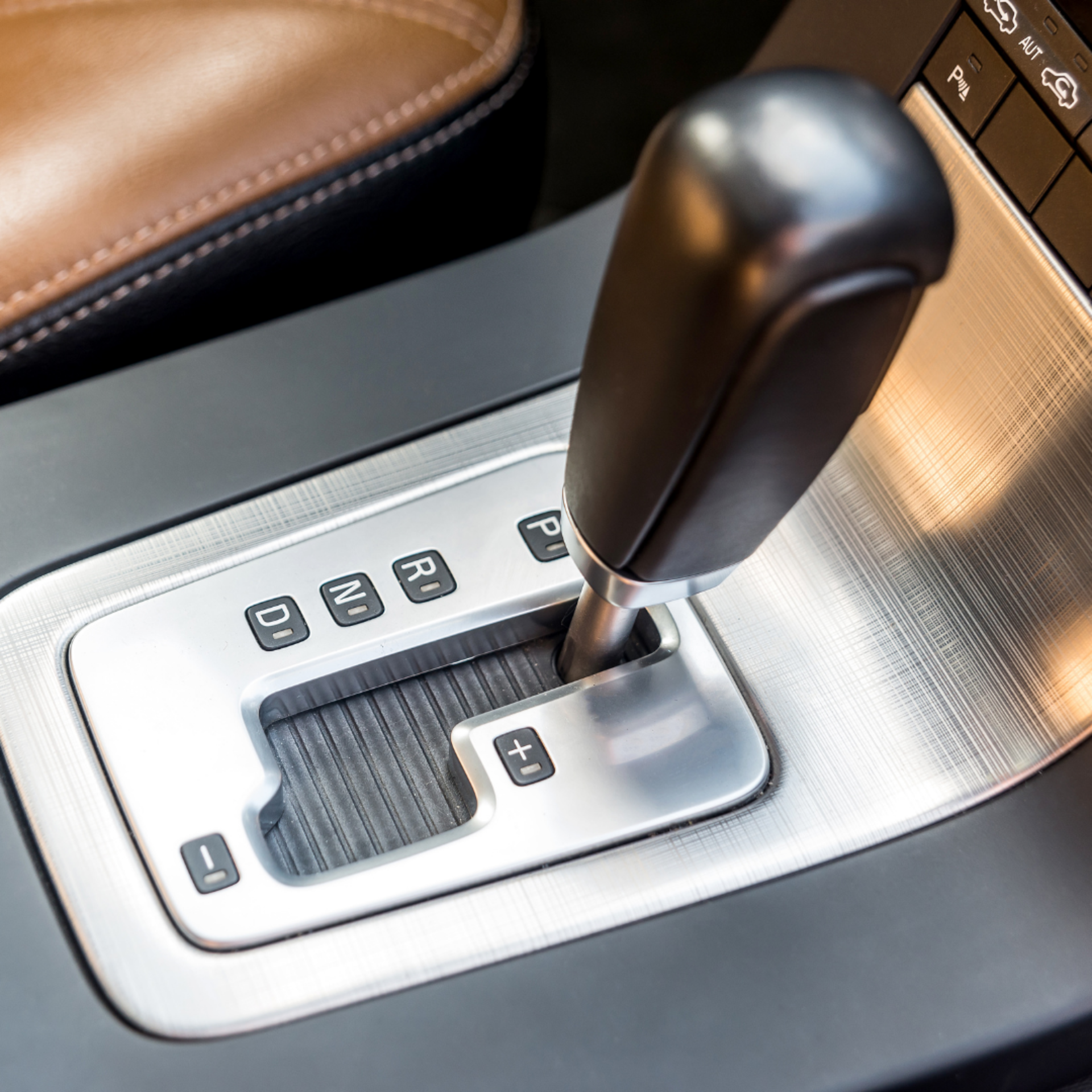
The transmission may be changing how the engine works
Your transmission controls how the engine's power is delivered to the wheels.
If it's holding lower gears for longer, shifting differently or slipping, the engine may be working harder than normal. This can potentially contribute to increased fuel consumption.
Again, fuel consumption alone isn't enough to diagnose a transmission problem. If you've noticed changes in the way your vehicle shifts at the same time as increased fuel use, it's worth having it inspected.
When Is Higher Fuel Use Worth Getting Checked?
There isn't a single percentage increase that automatically means your vehicle needs attention.
Instead, look at the bigger picture. It's worth arranging an inspection if:
- Your fuel consumption remains higher across several comparable tanks.
- Your driving conditions haven't meaningfully changed.
- A dashboard warning light has appeared.
- The engine is running roughly.
- The vehicle feels less responsive than usual.
- Gear changes feel different.
- The vehicle pulls to one side or the tyres are wearing unevenly.
- You notice an unusual fuel smell or visible smoke.
- You notice another new or unusual symptom.
- Your vehicle is overdue for scheduled servicing.
Higher fuel use on its own doesn't tell you what's wrong. A persistent change - particularly when accompanied by another symptom - is a good reason to investigate.
What Can a Service Team Check?
If you've ruled out obvious changes to your driving, a professional inspection can help determine what may have changed.
Depending on the vehicle and symptoms, a service team may:
- Check tyre condition and pressures.
- Look for signs of wheel-alignment problems or brake drag.
- Review the vehicle's servicing and maintenance history.
- Run diagnostic scans.
- Inspect relevant engine, fuel and emissions components.
- Check for other obvious mechanical issues.
- Road-test the vehicle.
This approach can help identify the cause rather than simply replacing parts and hoping for the best.
Using More Fuel Than Usual?
If your car's fuel consumption has increased and there's no obvious explanation, it may be worth getting it checked before you start changing parts or making assumptions about what's causing it.
At Motorama, our service team can inspect your vehicle, check tyres and brakes, review its maintenance needs, run diagnostic checks and help identify what may have changed.
We service all makes and models.


