Tyre Maintenance: How to Extend the Life of Your Tyres
Posted in Servicing Insights
Tyre Maintenance: How to Extend the Life of Your Tyres
Tyres aren't glamorous, but they're the one part of your car that's always in contact with the road.
They carry the weight of your vehicle, handle every turn, and cop the worst of Queensland’s hot summers, sudden storms, and endless roadworks.
Looking after them isn't just about saving money (though new tyres don't come cheap) - it's about keeping yourself and your passengers safe.
The good news? With some basic tyre maintenance, you can extend the life of your tyres, keep them performing at their best, and avoid nasty surprises down the track.
Let's unpack what tyre ageing is, why it happens, and what you can do to slow it down.
What Is Tyre Ageing?
Tyre ageing simply means the materials inside your tyres - the rubber, the steel belts, the bonding agents - gradually break down.
Over time, tyres lose flexibility, become brittle, and can even crack. You may not notice it straight away, but the structure weakens, making the tyre more likely to fail.
And here's the kicker: a tyre can look like it's in good condition on the outside while quietly degrading inside. That's why regular checks matter.
Why Tyres Age Faster in Queensland
Heat and sunlight are the big culprits. The chemical reactions inside the rubber speed up when exposed to UV rays and high temperatures - two things we've got plenty of in Queensland. Research shows tyres age quicker in warmer climates, so Brisbane drivers need to be extra mindful.Other factors include:
- Storage: Cars that sit in the driveway for weeks without moving put tyres at higher risk. Spare tyres, which rarely get used, are particularly vulnerable.
- Moisture and oxygen: Over time, oxygen and even water can sneak through the rubber, weakening the bond between steel belts and rubber compounds.
- Driving style: Heavy loads, hard braking, and sharp cornering accelerate wear.
It's no wonder that tyres on frequently used cars often wear out naturally before ageing becomes dangerous, while spare or rarely used tyres age silently.
How Old Is Too Old?
Most tyre manufacturers recommend having tyres professionally inspected once they reach five years of age and replaced around the six-year mark. Some say 10 years is the absolute limit, but in hot climates like Brisbane, it's safer to plan for replacement earlier.
Even if the tread looks decent, age can catch up with tyres. A tyre with cracks, sidewall bulges, or vibrations should be replaced immediately. And don't forget your spare - swap it out whenever you replace your main set.
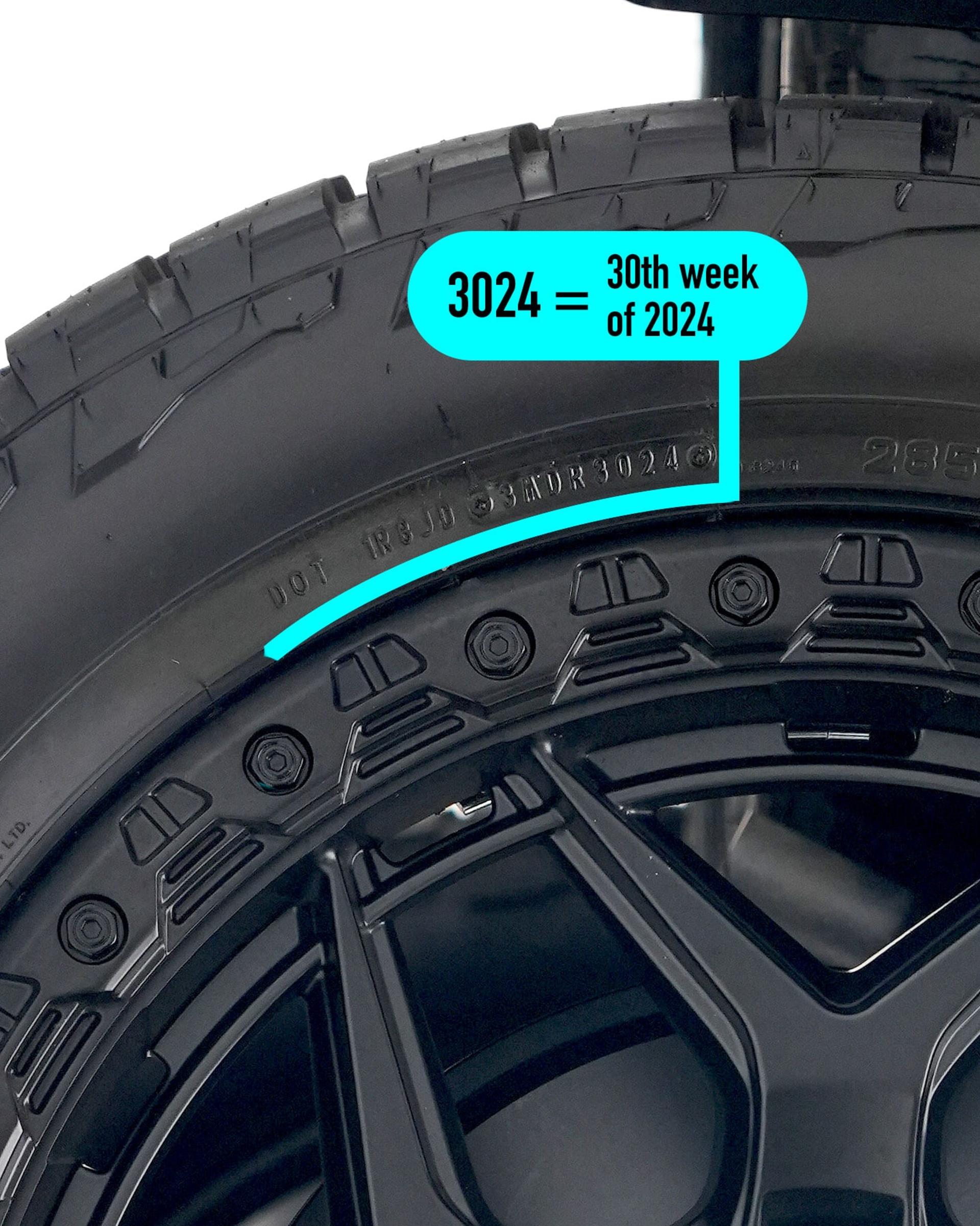
To check a tyre's age, look for the Tyre Identification Number (TIN) stamped on the sidewall. The last four digits tell you the week and year it was made. For example, 3024 means it was built in the 30th week of 2024.
Everyday Habits That Really Do Extend Tyre Life
Here's where small, regular habits can make a big difference.
- Check your tyre pressure often - every two to three weeks is ideal. Underinflated tyres overheat and wear unevenly, while overinflated tyres wear faster in the middle. Brisbane's hot roads make getting this right even more important.
- Rotate your tyres about every 7,000 to 10,000 kilometres (or follow your car's manual). This evens out wear between front and rear tyres.
- Wheel alignment and balancing should be checked yearly, or after a big knock (like hitting a pothole). Misalignment can shred tyres from the edges in no time.
- Protect tyres from harsh weather. Park in the shade when possible. Long-term sun exposure is brutal on rubber.
- Drive smooth and steady. Quick launches, slamming brakes, and sharp turns don't just burn fuel - they chew through tyres.
These aren't huge tasks, but stacked together, they'll extend the life of your tyres and keep your wallet happier.
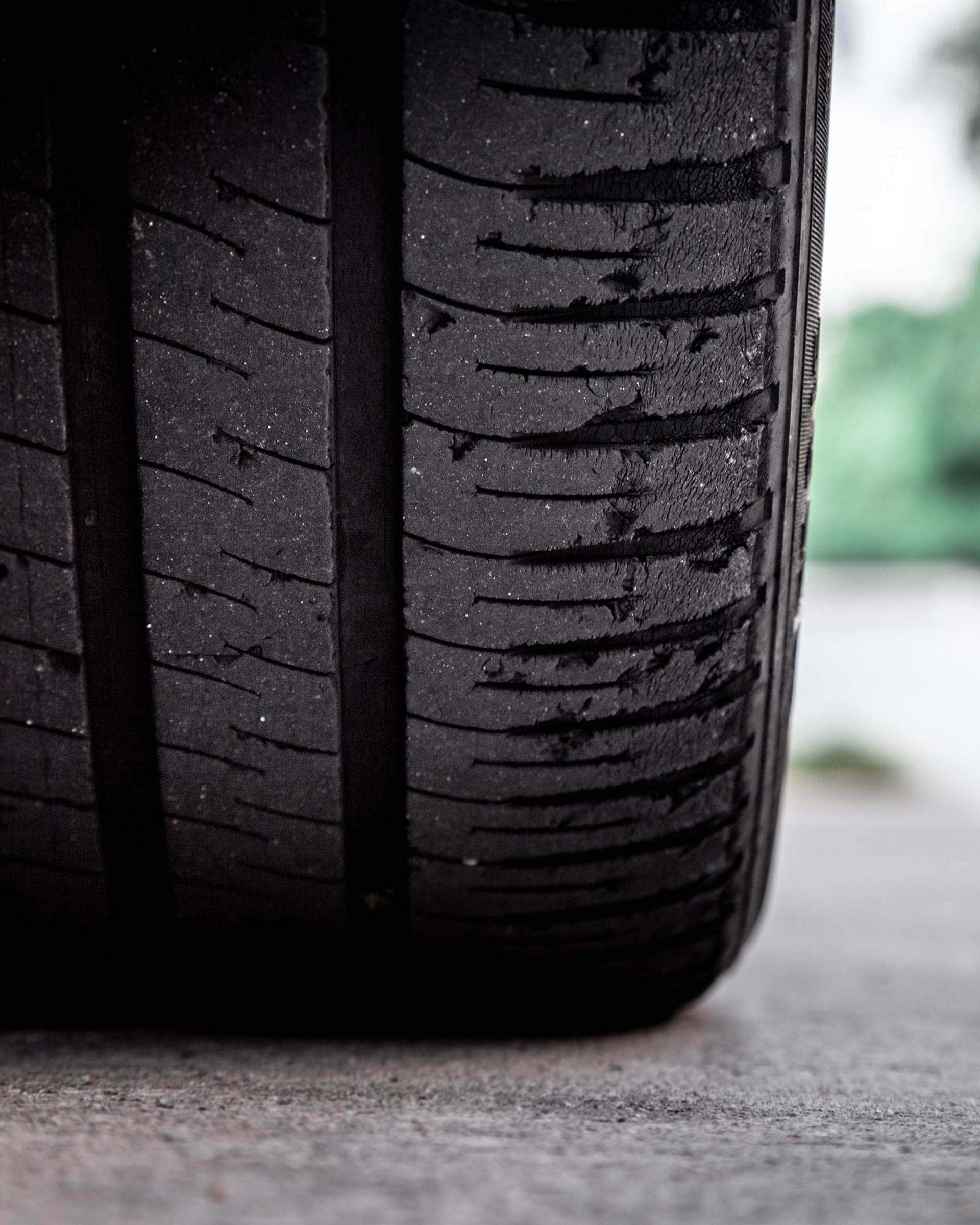
When It's Time to Replace
There comes a point where maintenance won't cut it. Here's the clear line in the sand:
- Tread depth is down to 1.5 mm (the legal minimum in Australia) - but don't wait that long if you want safe wet-weather grip.
- Tyres are six years old or more, especially in Queensland's heat.
- You spot sidewall cracks, bulges, or obvious structural damage.
- You feel ongoing vibration or your tyres keep losing pressure, even after a service.
If any of these sound familiar, it's time to swap them out.
Why This Matters
Tyres might not be the most exciting thing on your car, but they're the difference between stopping safely in the wet and sliding into an accident.
They're also one of the bigger running costs of car ownership, so anything that extends their life is money in your pocket.
Regular checks, smart driving habits, and timely replacements don't just save cash - they protect your family and everyone else on the road.
So next time you're topping up the washer fluid or filling the tank, take an extra minute to look at your tyres.
It could be the simplest maintenance step you ever do - and if you're not sure, or you'd rather have a professional eye over them, the team at Motorama Tyre & Service can check, repair, or replace your tyres to keep you safe on the road.