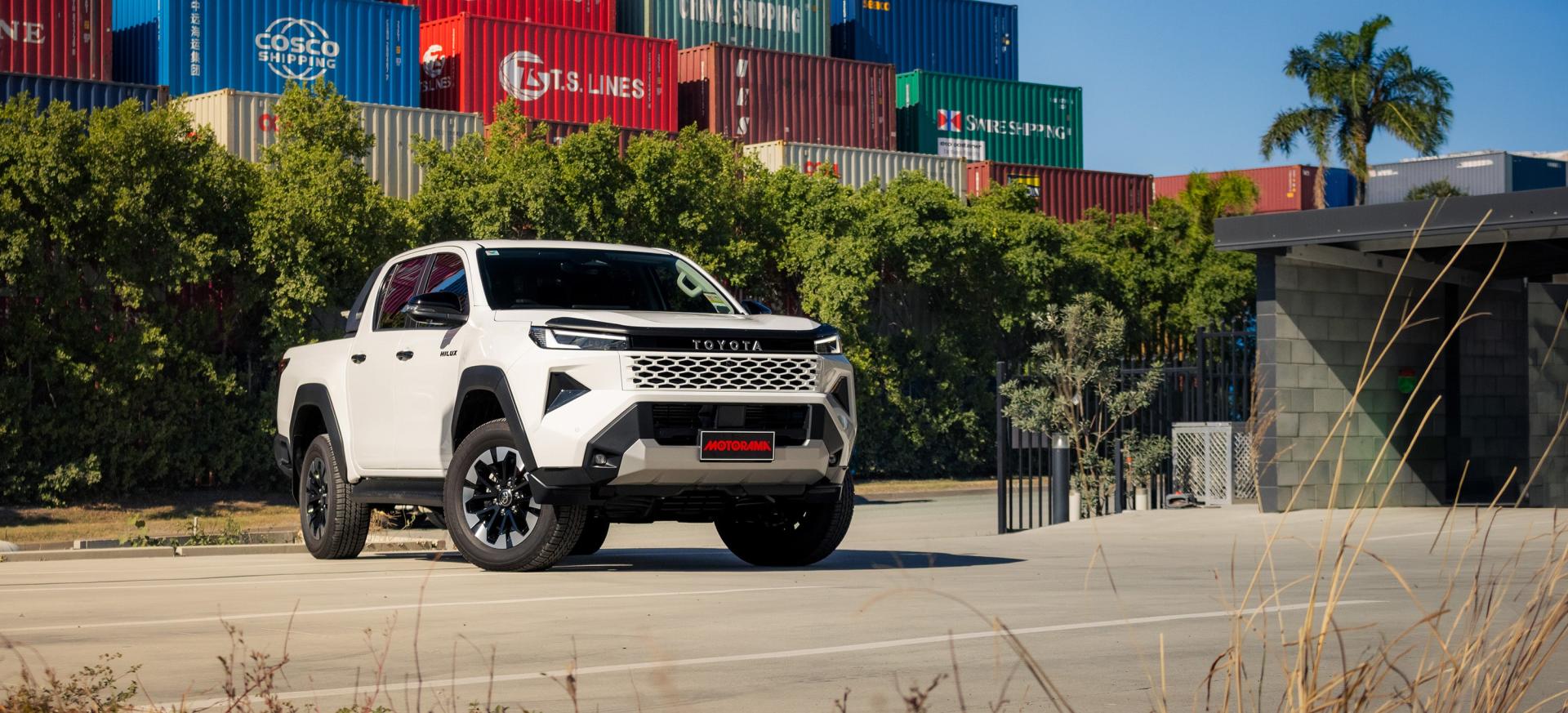
Review: 2026 Toyota HiLux SR5
Posted in Vehicle Reviews
The 2026 HiLux is Stronger Where It Needs To Be
The Toyota HiLux has never needed help selling itself in Brisbane.
You see them everywhere - on Ipswich job sites at 6am, on the M1 heading north Friday afternoon, parked outside schools doing afternoon pick-up.
Reliability and durability have always been the drawcard. But refinement? That's where the conversation has shifted in recent years.
After a full weekend with the 2026 HiLux SR5 4x4 automatic around Brisbane - M1 runs, Ipswich Road traffic, suburban backstreets and everyday errands - it's clear Toyota hasn't reinvented the HiLux.
What it has done is improve it exactly where daily drivers would notice. And that matters more.
- Tested: SR5 4x4 Dual-Cab Pick-Up Automatic with V-Active (48V) Technology
- Not tested: Towing, payload, extended off-road use

What's new in the 2026 HiLux?
Under the bonnet sits Toyota's familiar 2.8-litre turbo-diesel, now paired in this configuration with V-Active 48V technology. Output remains 150kW, with 500Nm available in the automatic. It runs through a six-speed automatic transmission and carries an official combined consumption claim of 7.2L/100km (ADR laboratory figure).
Those numbers tell part of the story.
But the real shift isn't just mechanical - it's experiential.
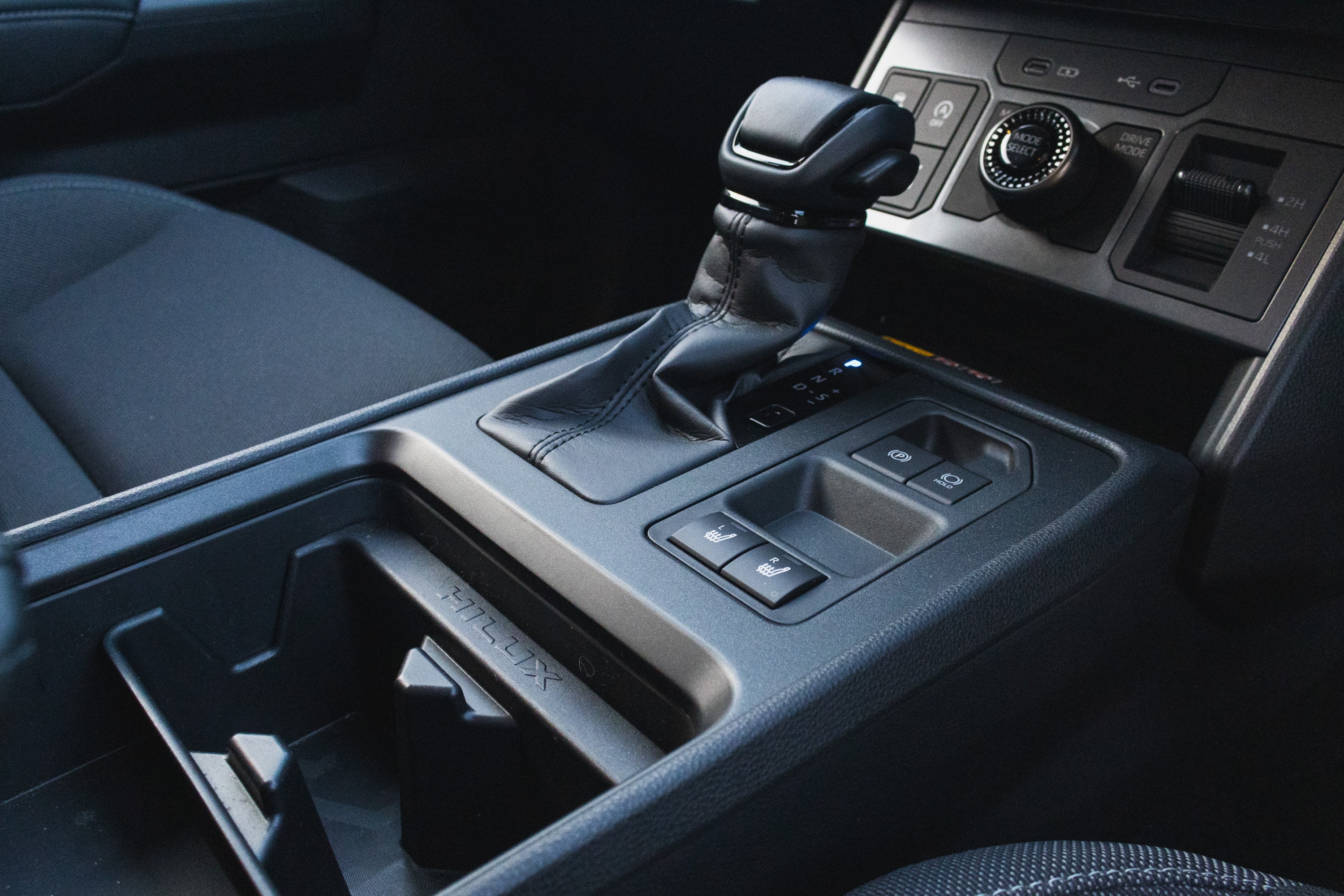
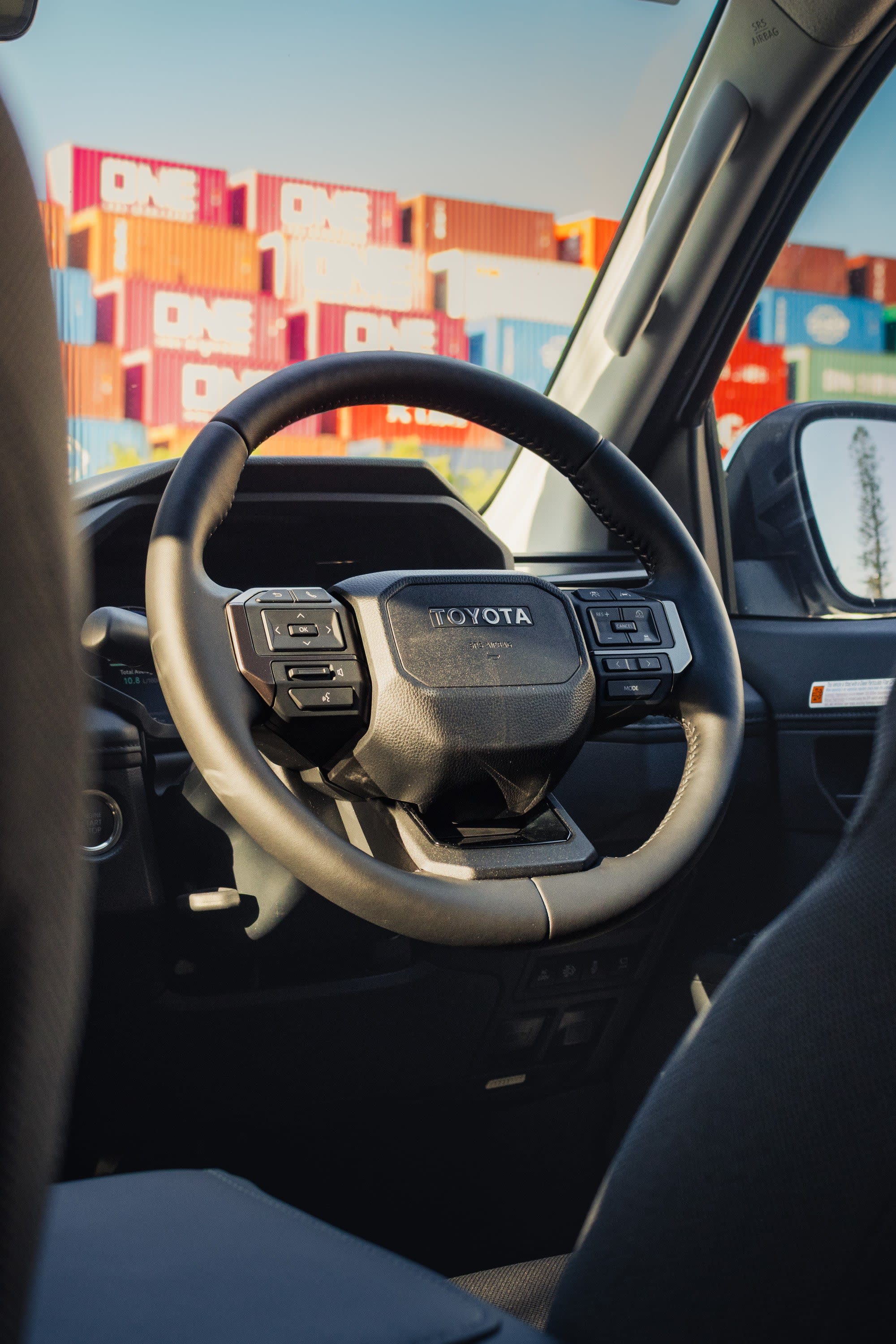
Electric Power Steering replaces the older hydraulic system. Inside, a 12.3-inch touchscreen and matching 12.3-inch digital instrument display modernise the dashboard. Wireless Apple CarPlay and Android Auto are now standard. There's even an electric park brake - something that seems small, but symbolically moves the HiLux out of its old utilitarian era.
The exterior has been tweaked - sharper, cleaner. The cabin and steering - transformed.
Driving it around Brisbane: the steering changes everything
If you've driven older HiLux generations, you'll know the steering feel immediately - solid, heavy, dependable. It always reinforced that "work-first" personality.
The switch to electric power steering fundamentally changes that dynamic.
Low-speed manoeuvring in suburban streets is noticeably easier; parking takes less effort; tight carparks feel less like a gym session. Yet it hasn't gone overly light or artificial. Some electric systems in the segment lose feedback and feel vague - this doesn't. There's still weight, still connection, just delivered in a more refined, controlled way.
In fact, the feel through the wheel is much closer to the new Prado than any previous HiLux. That's not a small statement. It genuinely lifts the ute into a more modern Toyota family driving experience.
And that shift alone makes the 2026 update feel significant.


Ride quality: more settled than before
The SR5 runs a softer rear leaf spring setup compared to the heavier-duty grades. Unladen around Brisbane, it felt composed. There was minimal rear-end bounce, very little of the old frame shimmy, and none of that jittery "empty tray" nervousness over patched bitumen.
Ipswich Road isn't forgiving. Neither are plenty of suburban backstreets. The HiLux handled both without harshness.
Is it suddenly SUV-soft? No. It's still a ladder-frame dual-cab, and you feel that. But the edges have been smoothed off; the refinement gap has narrowed.
On the M1 at 100-110km/h, it tracked straight and steady. No constant steering corrections. No twitchiness in lane.
Lane Trace Assist deserves credit here. Unlike some systems that ping-pong between lane markings like a bowling ball with bumpers, this one holds the centre of the lane confidently and calmly. It feels deliberate, not reactive. The driver assistance suite - including Pre-Collision Safety System and Dynamic Radar Cruise Control - operates in the background without nagging or false alarms.
That refinement makes long Brisbane highway stretches noticeably less fatiguing.


The 48V system: subtle, not theatrical
This SR5 runs Toyota's V-Active 48V version of the 2.8 diesel. Did it feel dramatically different? No.
And that's actually a positive.
There wasn't a moment when you thought, "That's the hybrid bit working." Instead, the drivetrain just feels cohesive. Pulling away from lights in suburban traffic is smooth; throttle response feels natural; the system integrates quietly rather than announcing itself.
If anything, it reinforces the sense that Toyota focused on making the overall experience more refined rather than trying to create a headline-grabbing hybrid sensation.
The interior: this is where it really feels new
If there's one area that genuinely modernises the HiLux, it's the cabin.
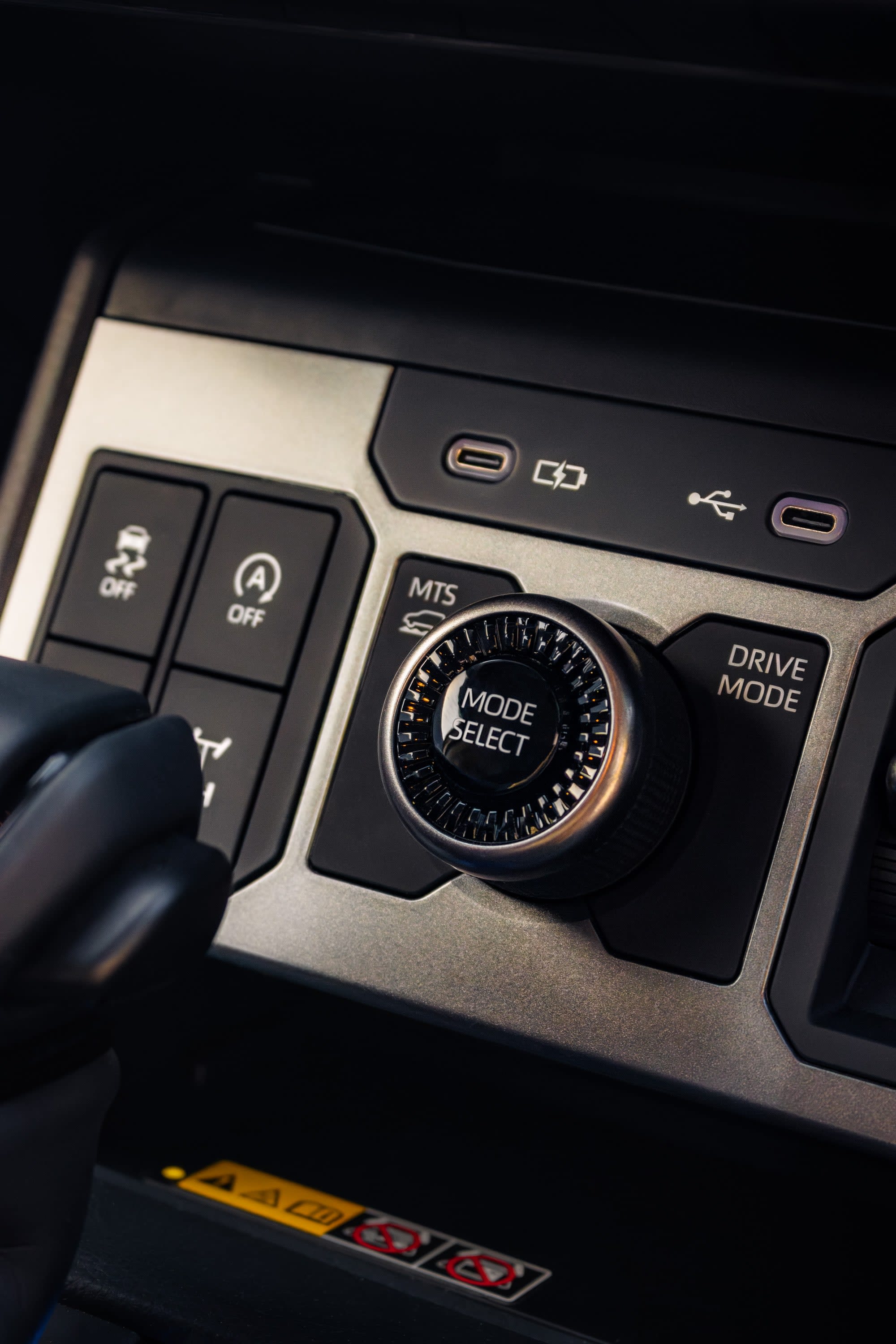
The 12.3-inch touchscreen and digital instrument display immediately change the atmosphere. The layout feels clean and structured. Large physical buttons remain for climate and key controls - a deliberate choice that suits a ute used in real-world conditions.
It's intuitive; it's easy to live with; it doesn't feel overcomplicated.
The electric park brake replaces the old lever. Dual-zone climate control is standard. Wireless connectivity works seamlessly. These aren't revolutionary changes individually - but collectively they shift the HiLux from "durable work tool" to "modern daily driver."
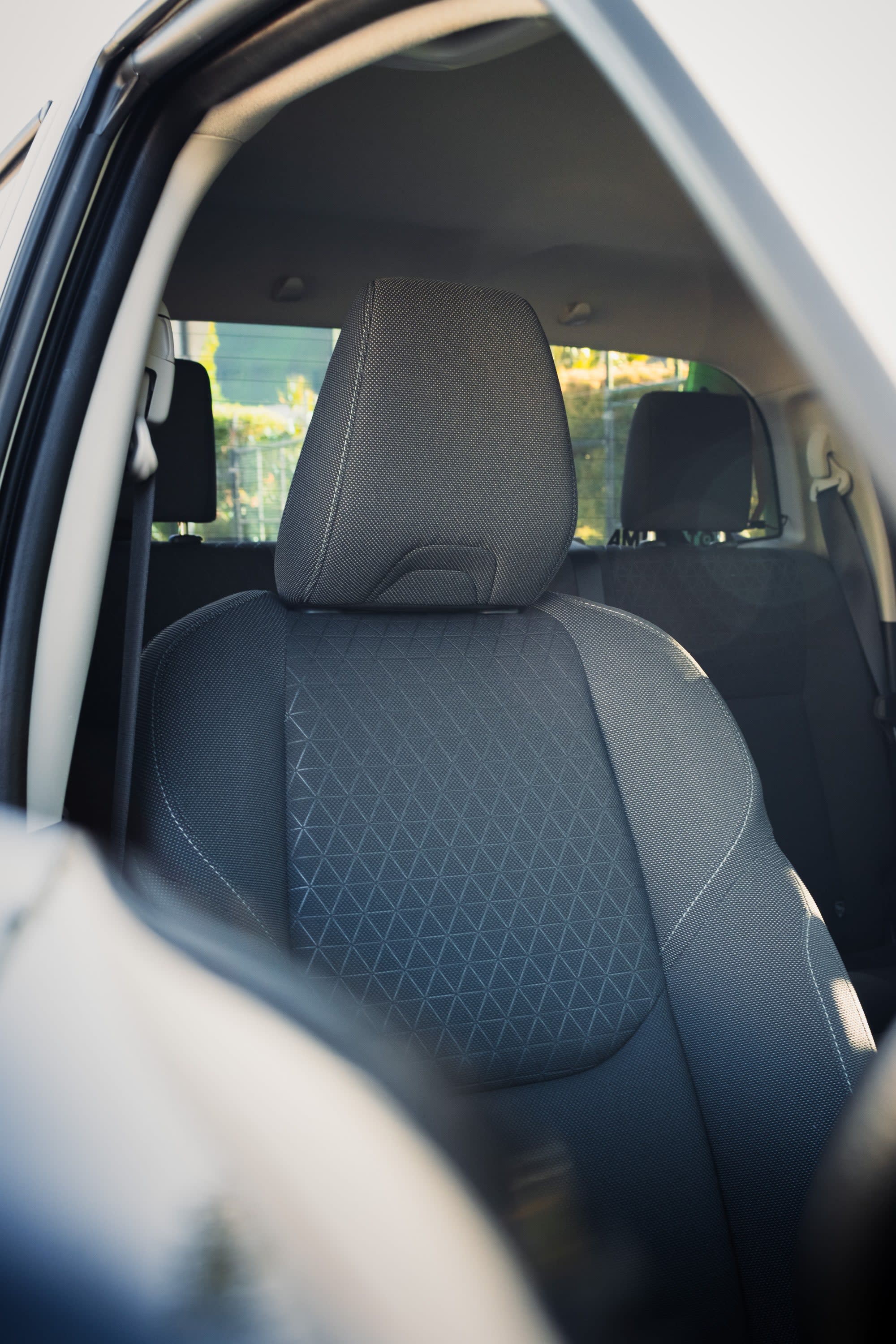
Seat comfort, as expected from Toyota, is excellent. Supportive, well-shaped, comfortable over longer drives. The rear seats follow suit; they're just as comfortable, though space remains in line with traditional dual-cab proportions. It's perfectly workable for kids and short adult trips, but some newer-generation utes do offer a touch more stretch-out room.
It's not a drawback so much as a reality of the platform.
And that brings us to an important point.



Improvement, not reinvention - and that's okay
Dimensionally, this SR5 sits at 5320mm long, 1885mm wide and 1865mm high. It still rides on a 3085mm wheelbase. It still uses a ladder frame. It still carries 3500kg braked towing capacity.
Toyota hasn't torn up the blueprint.
Instead, it has refined it.
For many Brisbane buyers, that balance will feel right. The HiLux was never criticised for being unreliable or incapable. The criticisms were about steering weight, cabin age, and day-to-day refinement. Those are precisely the areas that have been addressed.
It retains its durable reputation - but now the immediate, practical, lived experience feels just as satisfying.


Who this HiLux suits in Brisbane
If you need a ute that works hard during the week but still feels comfortable on the M1, this update makes a compelling case.
It suits business owners who tow occasionally but commute daily. Families who want durability but don't want a dated interior. Drivers who appreciate traditional ute toughness but also value modern steering feel and intuitive technology.
It's still unmistakably a HiLux.
It just no longer feels stuck in the past.

What we didn't test
This review reflects a weekend of driving in Brisbane and SEQ. We did not test towing performance, payload behaviour, or extended off-road capability.
Those factors remain important depending on your use case and should be considered accordingly.
Final thoughts
The 2026 Toyota HiLux SR5 isn't a ground-up reinvention. But it doesn't need to be.
The steering now feels contemporary. The interior genuinely feels new. The safety systems operate with maturity. The driving experience is calmer, more composed, and more aligned with modern Toyota models like the Prado.
It was always durable and dependable. Now, it's equally satisfying to live with every day. For Brisbane drivers, that's a meaningful shift.
If you'd like to see how the updated HiLux feels for yourself, the best way is behind the wheel.