

What Winter Quietly Changed on Your Car
Posted in Servicing Insights
Winter's Over. Here's What May Have Quietly Changed on Your Car
Brisbane winter is hardly brutal on a car. It still handles the school run, the daily commute and weekend trips to the shops.
That is also why small changes can be easy to miss.
Tyre pressures can gradually drop. Wipers may go weeks without a proper test. A battery can start weakening while still managing to start the car. A cooling or air-conditioning issue may stay unnoticed while the weather is mild.
None of this means winter has damaged your car. It simply means a few things may have drifted, sat unused or remained hidden.
Before Brisbane's hotter days and heavier rain arrive, here are five things worth checking.
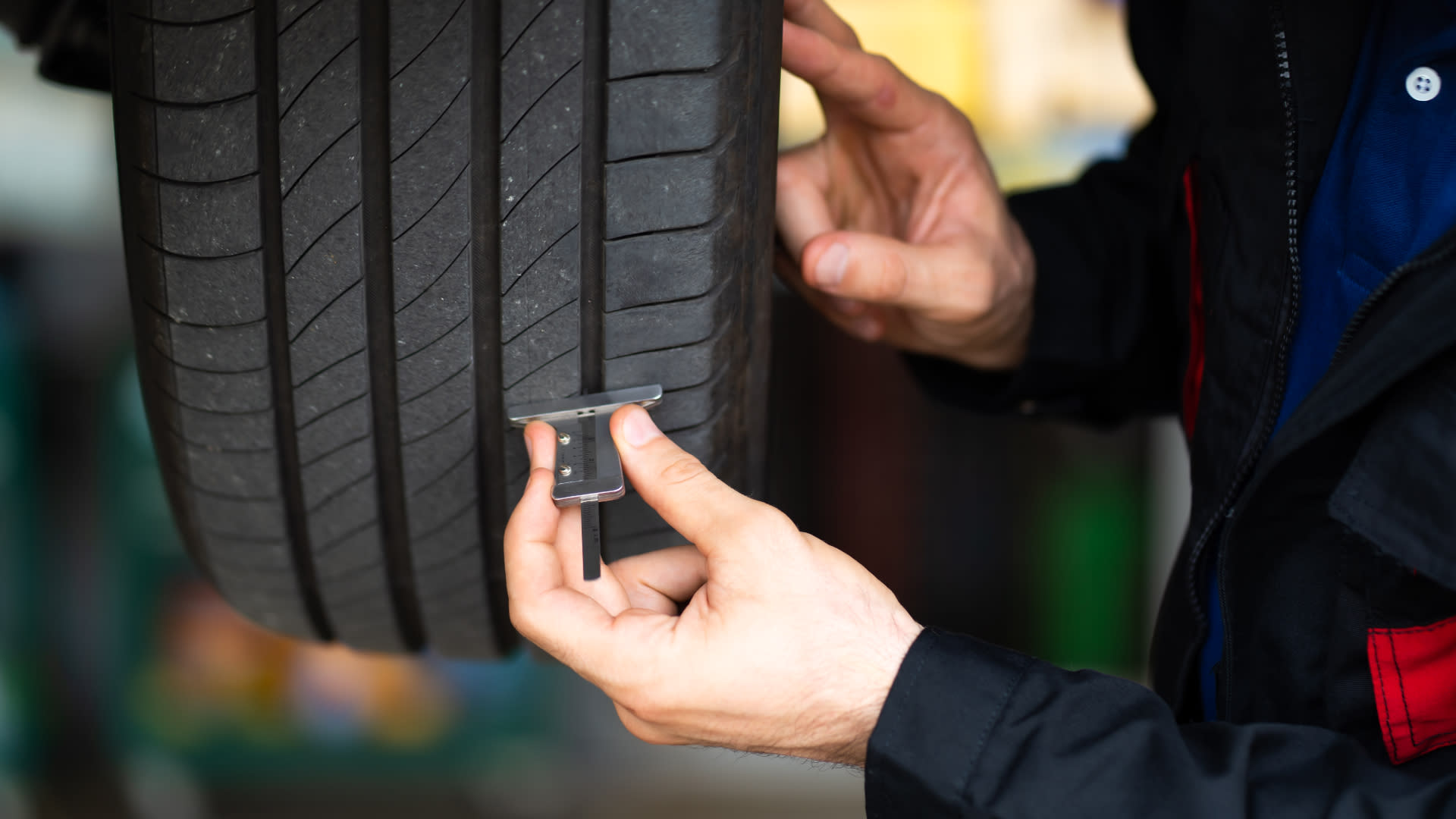
1. Your tyre pressures may have dropped
Tyres naturally lose a small amount of air over time, even without an obvious puncture. After a few months without checking them, one or more may be below the pressure recommended for your vehicle.
Check the pressures while the tyres are cold and use the figure on the vehicle's tyre placard or in the owner's manual. Check the spare as well, where one is supplied.
While you are there, look for:
- cuts, cracks or bulges
- objects lodged in the tread
- uneven wear
- tread nearing the wear indicators
- one tyre that repeatedly loses pressure
Don't use the big number on the tyre itself
The pressure shown on the tyre sidewall is not your everyday inflation target. Follow the vehicle manufacturer's recommendation instead, which may also change when the car is heavily loaded or towing.
Motorama service tip: Check tyre pressures before driving, rather than after the tyres have warmed up.
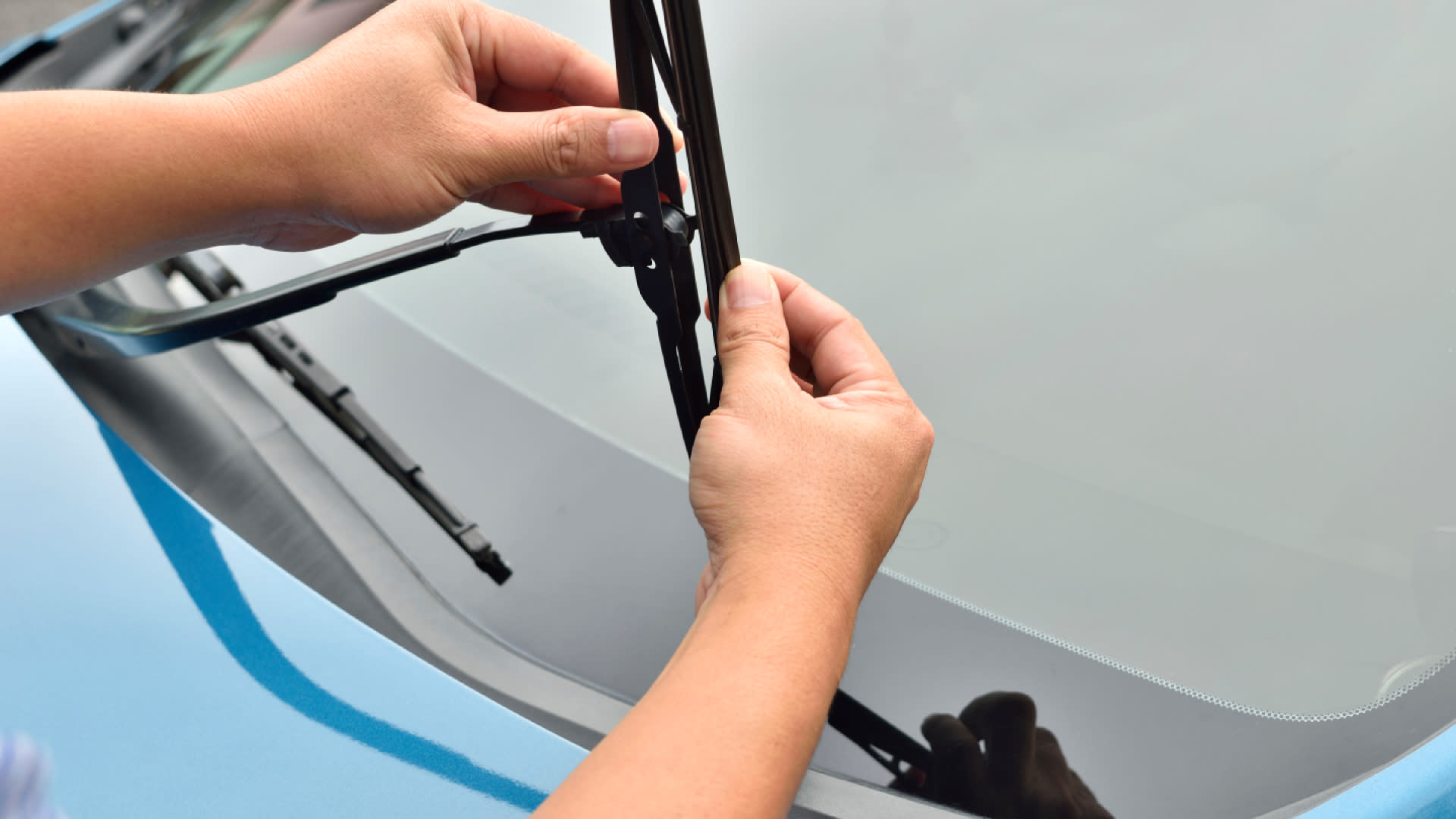
2. Your wipers may have aged without you noticing
During a dry run of weather, worn wipers can go largely unnoticed.
Give them a quick test before the first proper afternoon storm:
- run the windscreen washers
- check that the jets reach the right part of the glass
- watch for streaking, shuddering or missed areas
- test the rear wiper, if fitted
- clean the windscreen inside and out
Do not wait for the rubber to visibly tear. If a blade is already smearing water across your line of sight, it is already making wet-weather driving harder.
Queensland Government recommends good tyre tread, working lights and a clean windscreen before driving in wet conditions. RACQ also recommends replacing wipers that streak or shudder and checking the washer fluid and windscreen for damage.
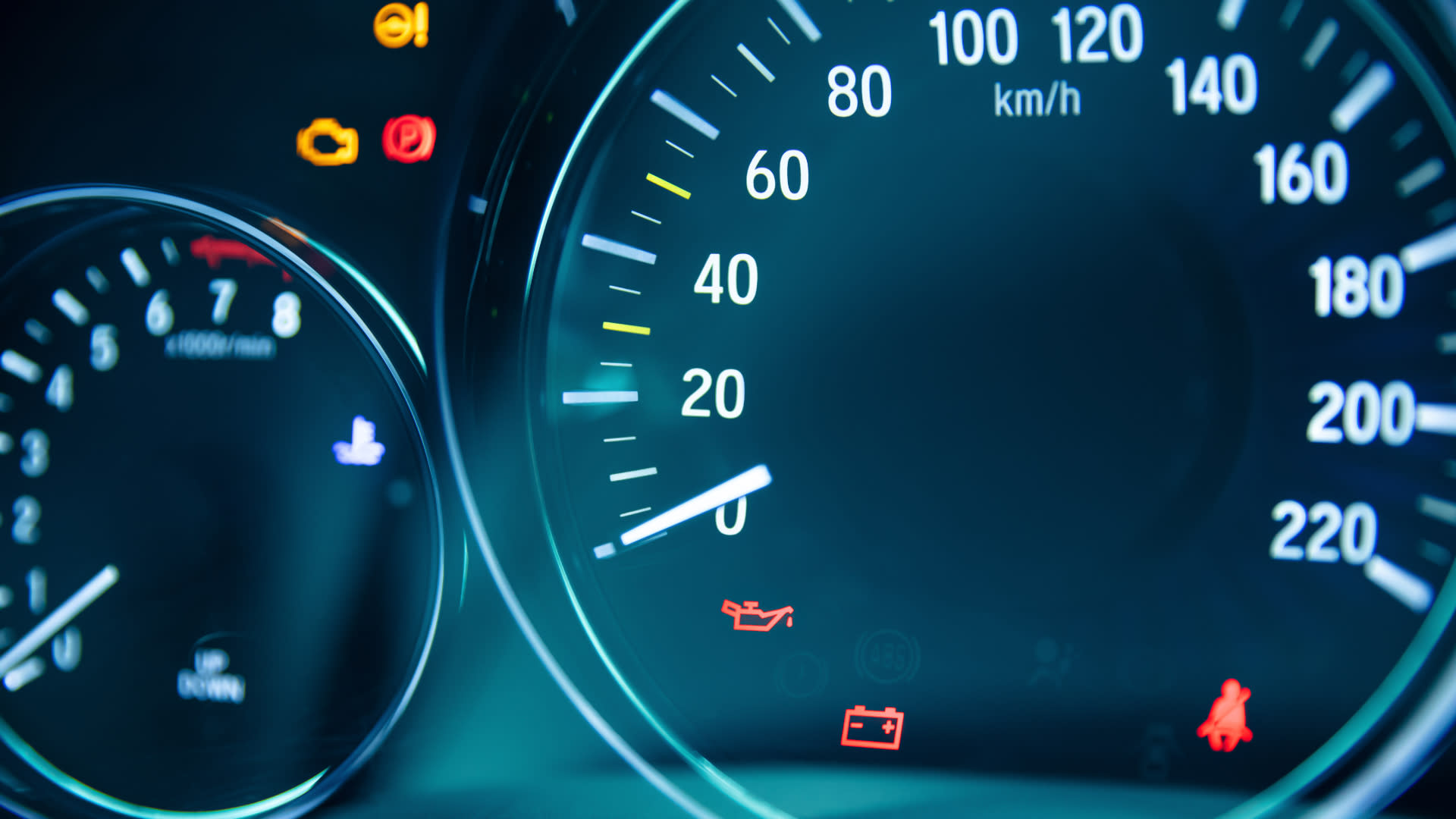
3. A weakening battery may have started giving you clues
A battery does not always fail without warning.
You may notice:
- the engine turning over more slowly
- the start sounding different or laboured
- electrical settings resetting
- low-voltage or battery warnings
- intermittent electrical behaviour
It is easy to ignore these signs when the car still starts. That does not necessarily mean the problem has gone away.
Battery issues accounted for 45% of RACQ's roadside-assistance callouts during the 2024-25 financial year, so a quick battery test can be worthwhile if anything has changed.
Electric and hybrid vehicles commonly still use a separate low-voltage battery for various vehicle systems. Testing and replacement procedures differ between models, so follow the owner's manual and leave orange high-voltage components alone.
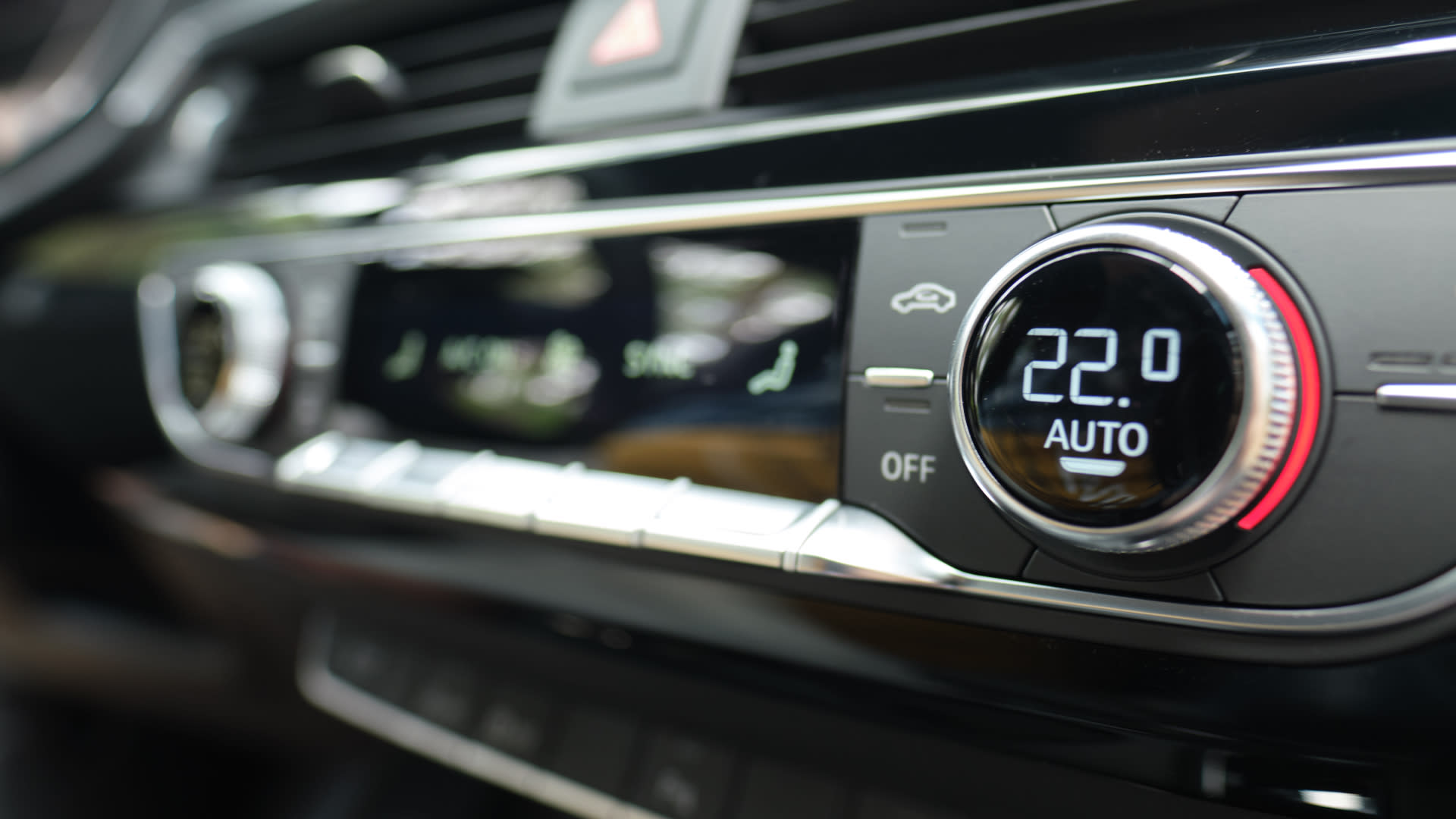
4. Mild weather may have hidden a cooling or air-conditioning issue
A small cooling-system problem may not be obvious until the first genuinely hot day.
With the vehicle parked safely and the engine completely cold, check the coolant level as directed in the owner's manual. Look beneath the vehicle for fresh leaks and take notice of any recent temperature or coolant warnings.
Never remove a radiator cap or open a pressurised cooling system while the engine is hot. If the coolant keeps dropping, topping it up repeatedly is not a repair-the cause needs to be found.
It is also worth giving the air conditioning a proper run.
Check whether it cools the cabin, whether airflow reaches the selected vents and whether the front demister clears the windscreen. Queensland Government recommends using the air conditioner or demister to clear condensation during wet weather.
Weak cooling does not automatically mean the system simply needs a regas. Electrical, refrigerant, component and airflow problems can produce similar symptoms.
Motorama service tip: A coolant level that keeps falling or air conditioning that has noticeably changed deserves proper diagnosis rather than guesswork.
5. A few smaller checks may have slipped off the list
Finish with a five-minute walk-around.
Check that the headlights, brake lights, indicators, tail lights and reversing lights work. Confirm that the spare tyre or puncture-repair equipment is still present, and check when the vehicle's next scheduled service is due.
If you have a longer summer drive planned, also check:
- tyre pressures for the expected load
- oil and other owner-checkable fluids
- that loose luggage can be secured
- any warning lights, new noises or vibrations
- towing equipment, where applicable
Queensland Government's long-trip guidance recommends checking tyres, fluids, lights, wipers, the battery and cooling-system components before setting off.
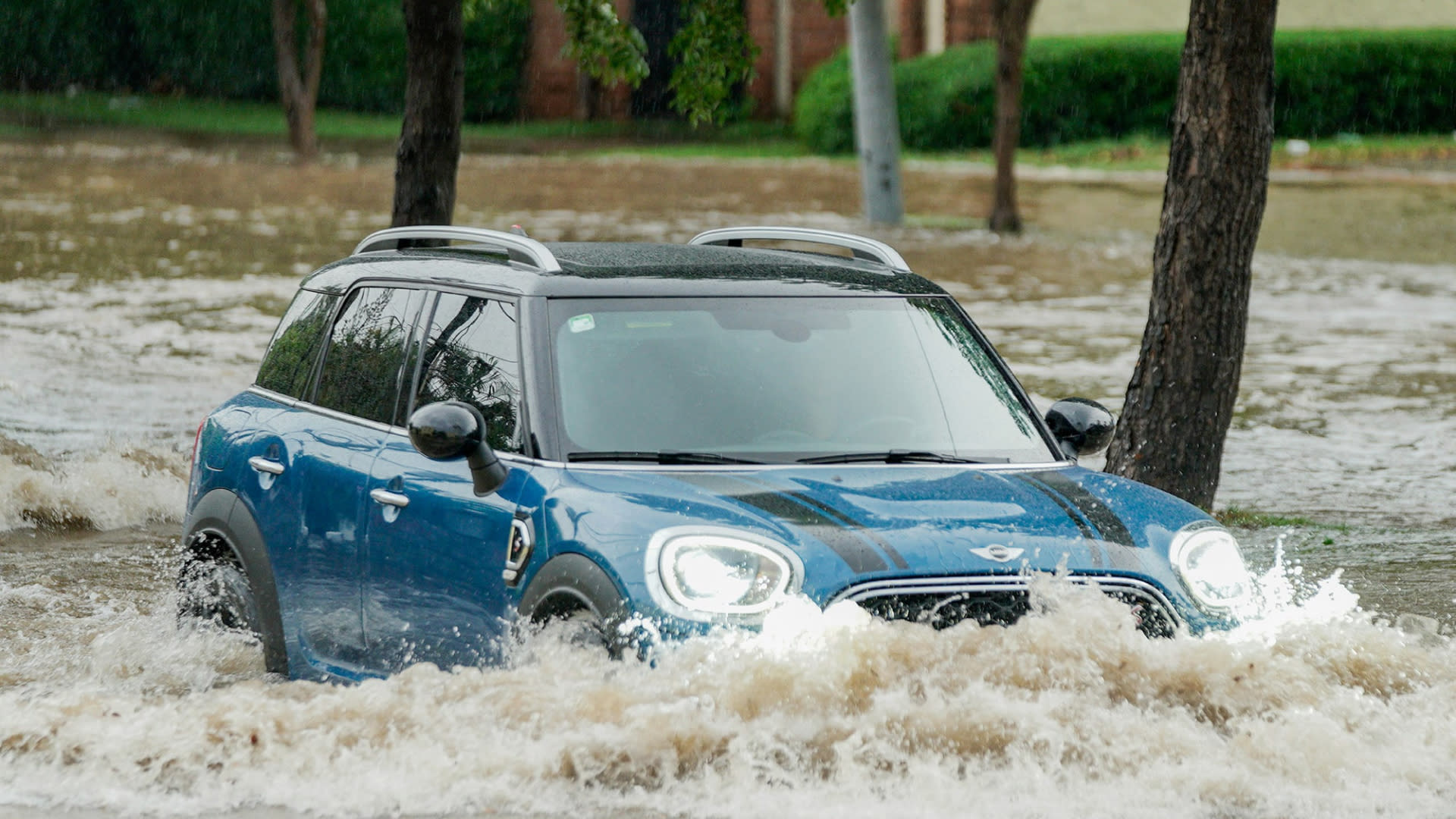
One thing no car check can make safe
Storm season brings one rule that applies whether you drive a hatchback, SUV, ute or 4WD:
Never drive through floodwater.
Water can hide debris, damaged road surfaces and fast-moving currents. If the road is covered, turn around and find another way.

Give your car a quick spring reset
Most cars will come through a Brisbane winter without any major problem.
The point of a spring reset is to catch the smaller things: a tyre slowly losing pressure, a wiper that has not faced real rain for months, a battery beginning to struggle or an issue that mild weather has kept quiet.
You can check plenty of this at home. If something looks wrong, feels different or you are unsure what your vehicle requires, your local Motorama service team can take a closer look before the hotter, wetter months settle in.


