
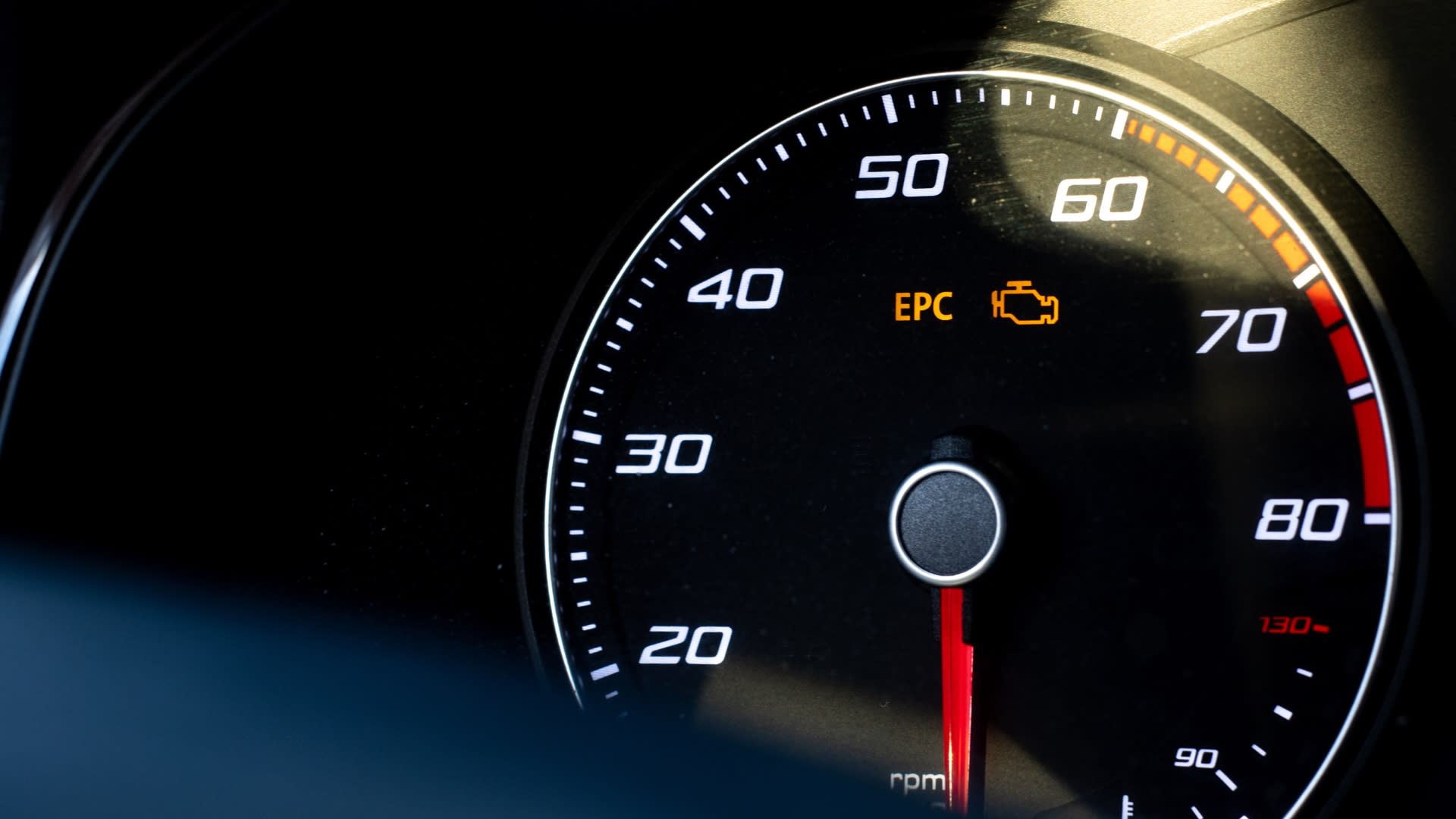
My Check-Engine Light Is On, but the Car Feels Fine - What Now?
Posted in Servicing Insights
My Check-Engine Light Is On, but the Car Feels Fine - What Now?
You're partway through your Brisbane commute when the engine-shaped warning light comes on. The car still accelerates smoothly, sounds normal and seems fine. Can the problem wait?
If the light is steady and nothing else has changed, check your owner's manual and arrange a diagnostic inspection promptly. A short, cautious drive may be possible if the manual permits it. A flashing light or serious symptoms mean stop safely and seek help.
The check-engine light, also called the malfunction indicator lamp, normally illuminates briefly during start-up. A light that stays on once the engine is running, or appears while driving, needs attention.
Why can the light come on before the car feels different?
Your car's engine-management system monitors sensors, combustion, emissions and related systems. It can detect a reading outside its expected range before you notice rough running or a change in performance.
Some faults are intermittent, appearing only under particular temperatures, speeds or loads. The computer may store information about the fault even when the car seems normal again.
That means normal driving behaviour doesn't prove there's nothing wrong. Even if the light goes out by itself, note what happened and tell the workshop.

Can you drive with a steady check-engine light?
A steady light means a fault has been detected, not that every affected vehicle can safely keep driving.
Read the instructions for your exact make, model, year and engine. If the manual allows it and there are no other warnings or symptoms, a short, cautious trip to a safe location or repairer may be possible. Avoid heavy acceleration, towing and other high-load driving.
Arrange diagnosis promptly rather than waiting for your next scheduled service. There is no universal safe driving distance. If the instructions are unclear, ask your roadside assistance provider or service team before continuing.
Why is a flashing check-engine light more urgent?
On many vehicles, a flashing light while the engine is running can indicate an active misfire or another serious fault. A misfire can damage the catalytic converter, so continuing the journey may make the problem worse.
Ease off the accelerator, reduce load and stop somewhere safe as soon as practical. Seek roadside or professional advice before driving further.
The meaning varies between vehicles, so follow the exact handbook instruction. Don't wait for the car to start shaking before taking a flashing light seriously.

What other symptoms mean you should stop?
Whether the light is steady or flashing, stop safely and seek assistance if it comes with:
- Shaking, rough running, repeated stalling or loud mechanical noises.
- Sudden or severe power loss, including reduced-power or "limp" mode.
- Overheating, a temperature warning or an oil-pressure warning.
- Smoke, a strong burning smell or a strong fuel smell.
- Changed braking or steering, or a brake-system warning requiring you to stop.
These symptoms take priority over whether the car initially felt normal. Don't inspect hot or moving engine components.
On a Queensland motorway: take an exit only if safely reachable; otherwise move onto the shoulder, as far from traffic as possible. Switch on your hazards and turn the wheels away from traffic.
Check whether it is safe to get out. If it is, exit on the passenger side and move behind a barrier or well away from traffic. If it isn't safe, remain inside with seatbelts fastened. Call your roadside assistance provider or 13 19 40, giving your location. Don't walk along the motorway or attempt roadside repairs.
For fire, serious injury or immediate danger, call 000.
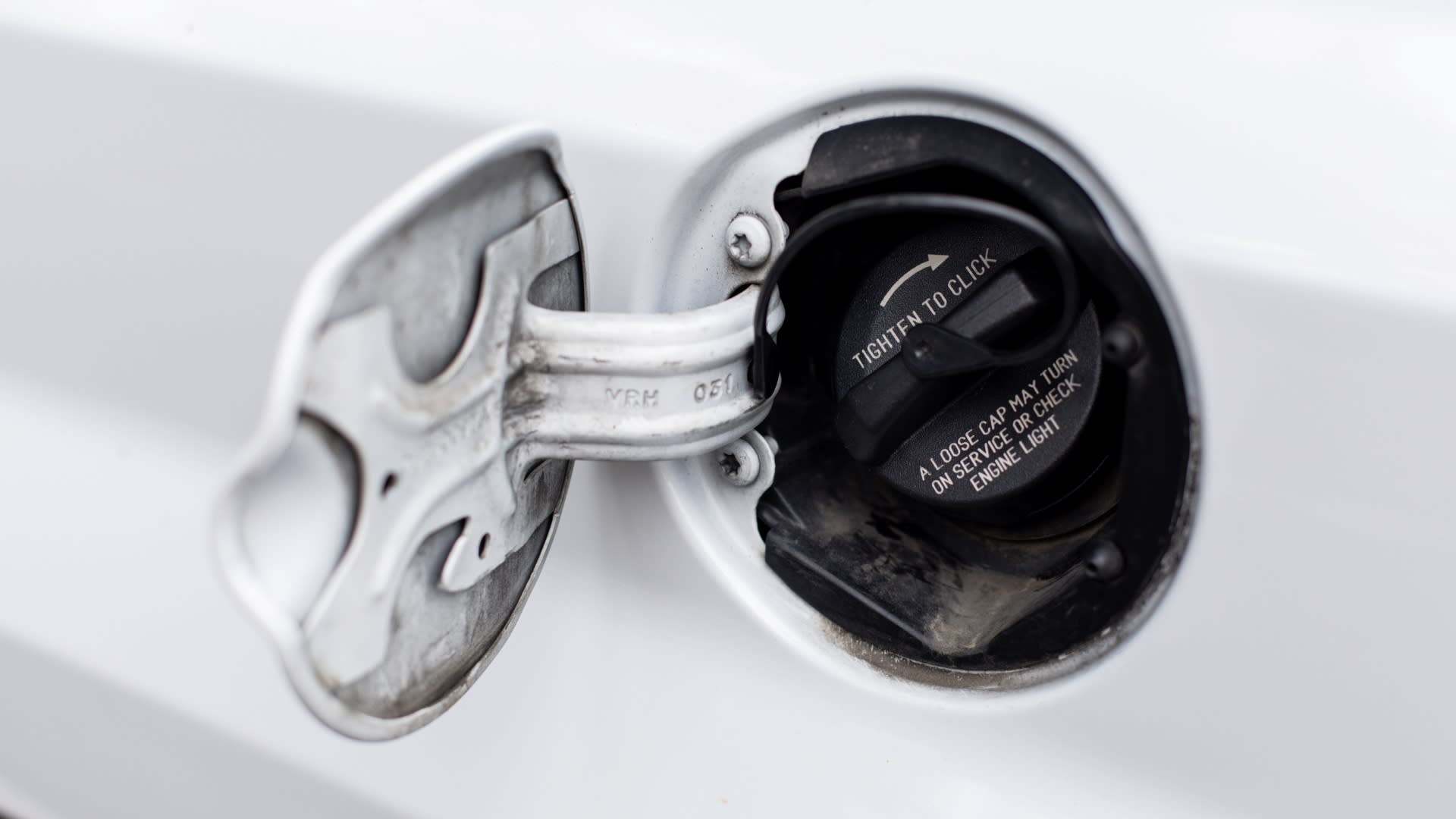
Could it just be the fuel cap?
On some petrol vehicles, a loose or damaged fuel cap can affect the sealed fuel-vapour system and trigger the light.
Once safely parked with the engine off, check and reseat a conventional cap only if your owner's manual recommends it. Capless systems and diesel vehicles need different guidance.
Even when a cap-related problem is resolved, the light may take several drive cycles to go out. That isn't a reason to keep driving until it clears: follow the manual and arrange diagnosis. Recent refuelling is a useful clue, not proof of the cause.
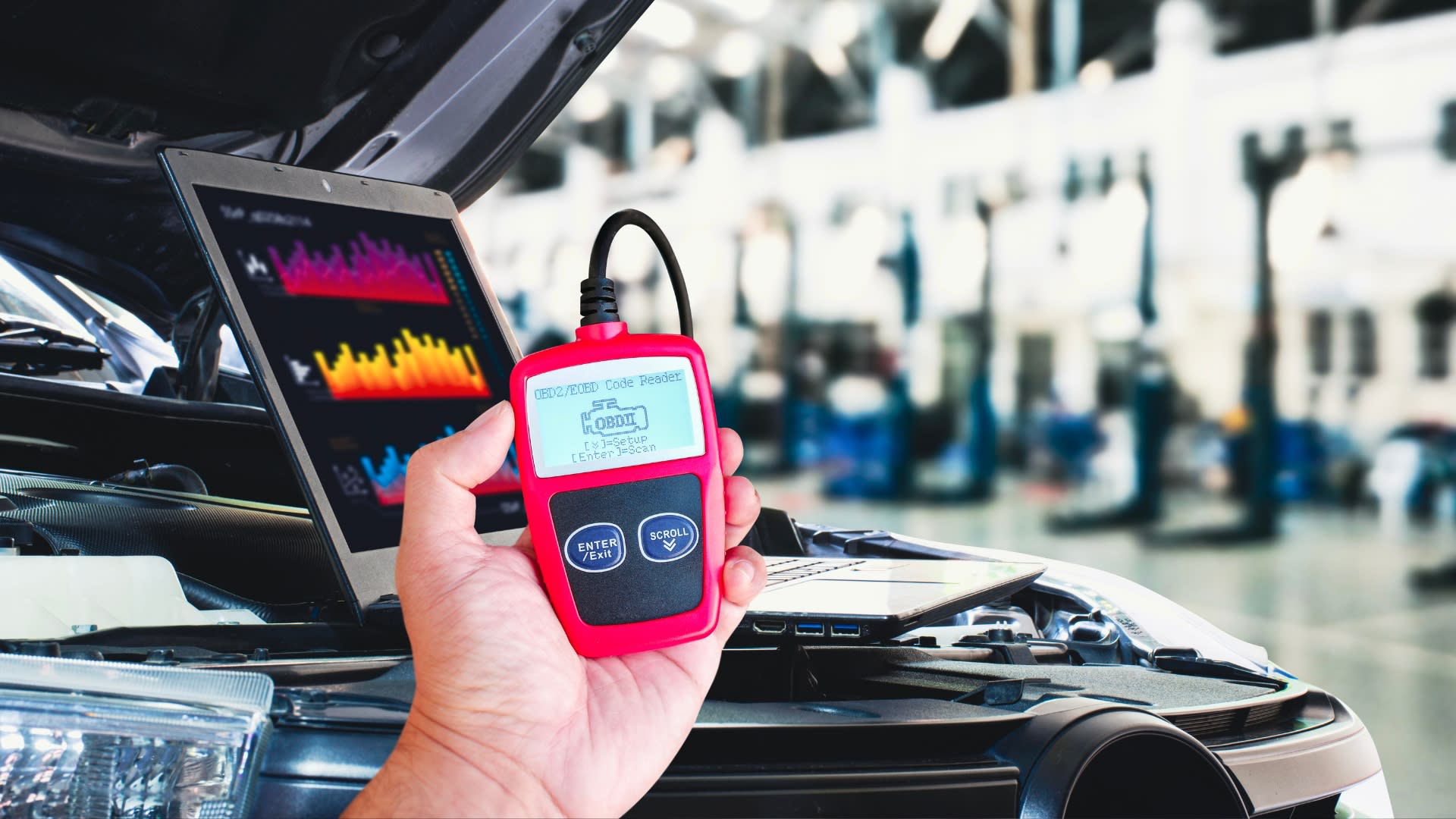
What does an OBD scan actually tell you?
An on-board diagnostics (OBD) scan retrieves fault codes identifying a system, circuit or detected condition. A code is a clue, not a confirmed failed part.
A code mentioning an oxygen sensor, for example, doesn't automatically mean that sensor needs replacing. Diagnosis may also involve live readings, wiring checks, leak testing, mechanical checks and service history.
A basic reader can help record a code, but buying the part named in its description is guesswork.
Should you clear the light? Not simply to see whether it returns. Clearing codes can remove useful fault information and reset monitoring status without fixing the cause. Disconnecting the battery can also reset vehicle settings and complicate diagnosis. Leave any reset to the technician as part of the diagnostic process.
What should you do today?
- Check the light: is it steady or flashing while the engine is running?
- Check for other warnings and symptoms. Stop safely if any urgent signs are present.
- Read your exact owner's manual once safely parked.
- Record the circumstances: when it appeared, driving conditions, recent refuelling or repairs, and any displayed message.
- Avoid heavy loads and towing. Only continue driving if the manual permits it and there are no urgent symptoms.
- Arrange a diagnostic inspection. Share your vehicle details and any codes already recorded without clearing them.
- Stop and call for help if anything worsens. Don't continue just because an appointment is booked.

Get an answer, not a guess
A car that feels normal gives the workshop useful context, but it doesn't explain why the light appeared.
Arrange a diagnostic check with Motorama Tyre & Service and describe the warning when booking. The next step is to investigate the cause, rather than replace parts on a guess or wait for the car to feel worse.
Book a diagnostic check


