
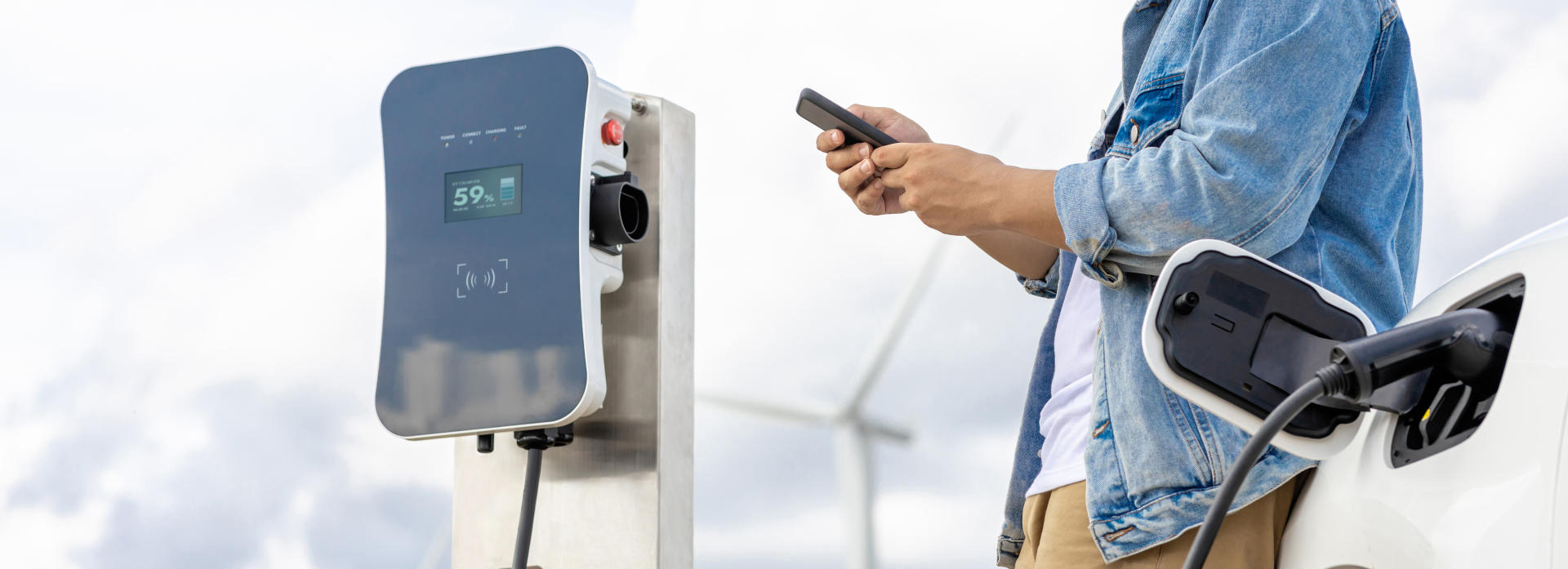
Fuel Excise Rise: Hybrid and EV Savings in Brisbane
Posted in Buyer Advice
Fuel Excise Has Increased: Could a Hybrid or EV Now Save Brisbane Drivers More?
Australia's temporary fuel excise relief has ended, increasing the tax applied to every litre of petrol and diesel sold from Monday 3 August 2026.
For a Brisbane driver filling a 65-litre tank, the tax change alone could add approximately $12.23 to the cost of a tank once it has been passed through.
That is the immediate news. But it raises a more useful question for anyone already considering their next vehicle:
At today's fuel prices, how much could a hybrid, plug-in hybrid or electric vehicle actually save you?
The answer depends less on the name of the technology than on your daily routine.
How far do you travel? Can you charge where you park? How often do you leave Brisbane? And how much fuel does your current vehicle really use?
Using a transparent Brisbane driving scenario, the difference in energy costs could range from approximately $945 a year for a hybrid to $1,620 a year for a home-charged electric vehicle.
These are illustrative energy-cost estimates, not guaranteed savings. But they show why the fuel excise increase matters beyond the next visit to the bowser.
The Fuel Excise Change in 60 Seconds
Fuel excise increased from 36.6 cents per litre to 53.7 cents per litre on 3 August.
The increase includes:
- The expiry of the remaining 16-cent temporary discount
- A scheduled 1.1-cent inflation adjustment
- A total excise increase of 17.1 cents per litre
After applying GST, the potential tax-related increase in the retail price is approximately 18.8 cents per litre.
The Australian Taxation Office's current fuel excise rates confirm the 53.7-cent rate from 3 August. The ACCC also explains that the increase combines the return of the temporary discount with CPI indexation.
| Fuel purchased | Potential additional cost |
|---|---|
| 40 litres | $7.52 |
| 60 litres | $11.29 |
| 80 litres | $15.05 |
Not every service station will pass the increase on at exactly the same time. Fuel excise is imposed before fuel reaches the retailer, and wholesale price changes are generally reflected when a service station replenishes its supply.
That creates a period where prices can vary considerably between nearby stations.
Queensland retailers are required to report price changes through the state's fuel-price reporting scheme, giving motorists access to current local pricing through participating apps and websites.

Fuel Was Already Becoming More Expensive in Brisbane
The excise increase is not the only reason Brisbane drivers have been paying more.
According to the ACCC's report published on 31 July, Brisbane's average regular unleaded price increased from 154.3 cents per litre on 30 June to 194.5 cents on 29 July.
Over the same four-week period, the international refined petrol benchmark increased by approximately 18 Australian cents per litre, while the diesel benchmark rose by approximately 41 cents.
Brisbane also normally experiences a retail petrol-price cycle, where prices rise sharply and then decline more gradually. However, the ACCC says Brisbane's normal cycle has mostly not occurred since the Middle East conflict escalated in February 2026.
The practical result is that Brisbane drivers are exposed to two separate pressures:
- A measurable increase in tax
- A global fuel market that was already moving higher
Shopping around can reduce the immediate impact. Reducing the amount of petrol your vehicle requires can reduce the longer-term impact.

The Bigger Cost Is Not One Tank. It's a Year of Driving
Consider a Brisbane driver travelling 15,000 kilometres per year in a petrol vehicle that uses 8.0 litres per 100 kilometres.
At an illustrative petrol price of $2.10 per litre, that vehicle would use 1,200 litres annually which would cost $2,520 per year.
That is approximately:
- $48.46 per week
- $210 per month
- 16.8 cents per kilometre
The excise increase matters because it raises the price of every litre. But the number of litres required is largely determined by the vehicle and how it is driven.
A hybrid reduces the litres used. A plug-in hybrid can replace many petrol kilometres with electric kilometres. A battery electric vehicle removes direct petrol use entirely.
What could an electrified vehicle save each year?
For a Brisbane driver travelling 15,000 kilometres annually, the difference in petrol and electricity costs could be substantial.
| Powertrain | Weekly energy cost | Annual energy cost | Saving versus petrol | Percentage of cost saved |
|---|---|---|---|---|
| Petrol vehicle | $48.46 | $2,520 | - | - |
| Hybrid | $30.29 | $1,575 | $945 | 37.5% |
| PHEV (Regularly charged) | $22.33 | $1,161 | $1,359 | 53.9% |
| BEV (Charged at home) | $17.31 | $900 | $1,620 | 64.3% |
These estimates assume petrol costs $2.10 per litre and home electricity costs 30 cents per kWh. They compare petrol and electricity costs only - not purchase price or total ownership costs.

Motorama Insight
The vehicle with the lowest advertised consumption figure will not automatically deliver the best result for every driver. The strongest saving comes from matching the powertrain to your distance, charging access and regular travel pattern.

What Could This Mean for a Brisbane Commute?
Imagine a driver completing a 40-kilometre return commute, five days per week.
That could represent travel between:
- Logan and inner Brisbane
- Springfield and Brisbane's western suburbs
- Redlands and the CBD fringe
- North Lakes and Brisbane's northern employment areas
- Ipswich and the western corridor
The driver covers 200 kilometres during the working week.
| Powertrain | Daily commuting cost | Five-day cost |
|---|---|---|
| Petrol vehicle | $6.72 | $33.60 |
| Hybrid | $4.20 | $21.00 |
| PHEV or BEV travelling electrically | $2.40 | $12.00 |
That represents a potential weekly energy-cost saving of:
- $12.60 with the hybrid
- $21.60 when the commute is completed electrically
Over 48 working weeks, the commute alone could save approximately:
- $605 with the hybrid
- $1,037 through electric driving
School runs, shopping, weekend sport and other local travel would increase the annual distance and - potentially - the saving.
This is why electrified vehicles can be especially relevant to Brisbane households. Many routine journeys are relatively predictable even when the total weekly distance is high.

Hybrid: The Easiest Saving Without a Charger
Combining a petrol engine with an electric motor and a small battery, a conventional hybrid cannot be plugged into an external power source. Instead, it recovers energy when the vehicle slows or brakes and uses that energy to support the petrol engine.
The Australian Government says hybrids can be particularly efficient in city driving because frequent stopping and starting provides opportunities to recharge the battery through regenerative braking.
That can make a hybrid a practical option for drivers who:
- Regularly travel through Brisbane traffic
- Complete frequent school runs and suburban trips
- Cannot install a charger at home
- Park on the street or in shared accommodation
- Want to reduce fuel consumption without changing their routine
- Frequently travel longer distances
In our scenario, reducing consumption from 8.0 to 5.0L/100km saves 450 litres of petrol per year.
At $2.10 per litre, that is an energy-cost saving of $945 annually.
If petrol increased to $2.30 per litre, the same 450-litre reduction would be worth $1,035 per year.
Could the additional purchase price pay for itself?
Suppose a comparable hybrid costs $3,500 more than its petrol equivalent.
Using the illustrative annual saving:
$3,500 ÷ $945 = approximately 3.7 years
That is a simple energy-only payback calculation. A proper ownership comparison must also consider differences in equipment, finance, insurance, servicing and expected resale value.
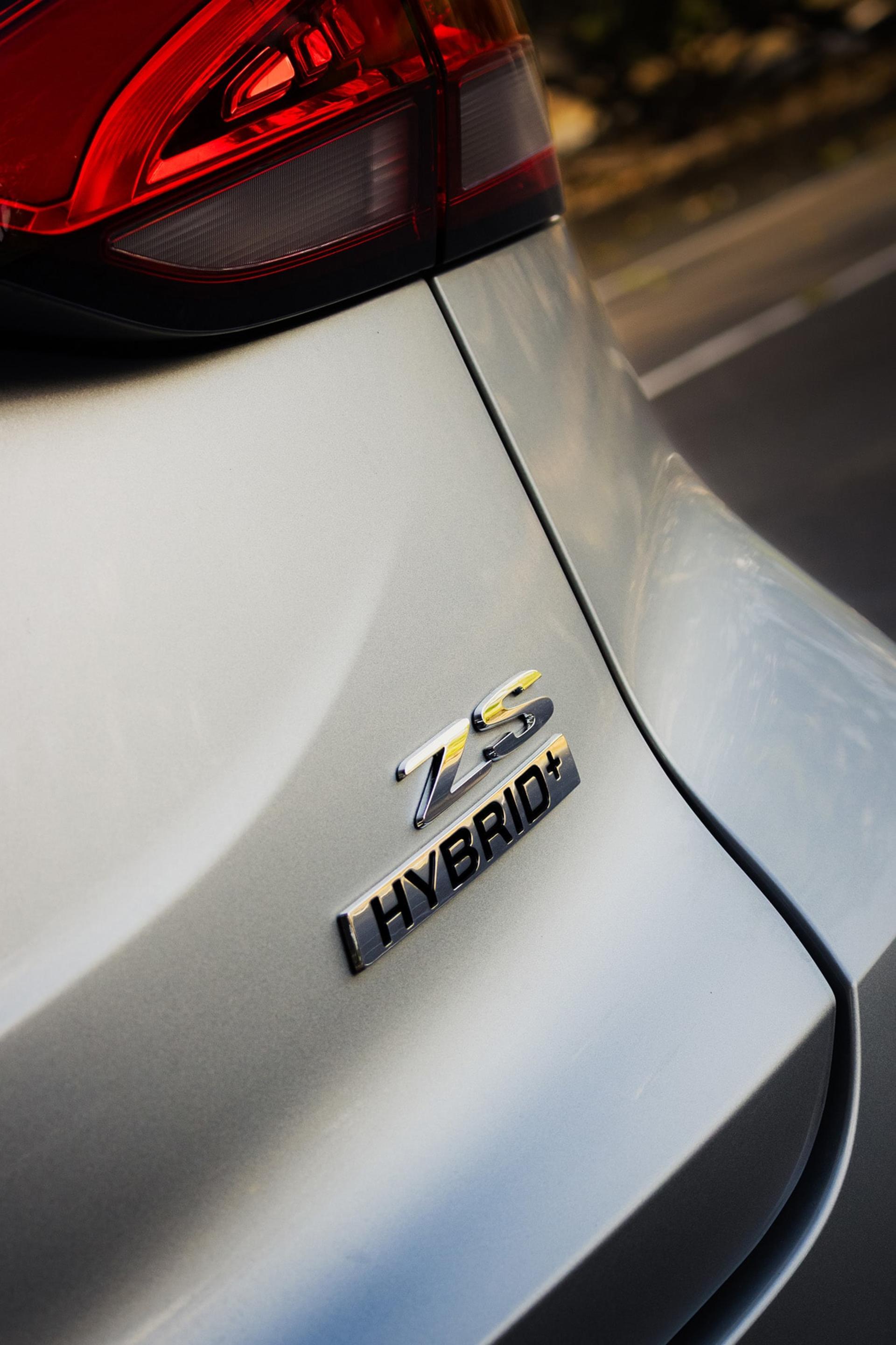
A hybrid is most likely to suit you when:
- You do not have reliable charging access.
- Much of your travel is urban or suburban.
- You want lower fuel consumption immediately.
- Your daily distance changes substantially.
- You frequently travel outside South East Queensland.
- You want to keep the familiar petrol-refuelling routine.
For many Brisbane drivers, the hybrid is the lowest-friction step into an electrified vehicle.
Plug-In Hybrid EV (PHEV): The Saving Depends on Whether You Plug It In
Combining a rechargeable battery, one or more electric motors, and a petrol engine, a plug-in hybrid electric vehicle can complete shorter journeys using electricity before relying on its petrol engine for longer trips or when the battery charge is low.
The Green Vehicle Guide says all PHEVs sold in Australia can travel around 50 kilometres using battery power, while many can travel around 100 kilometres. Actual range varies by model, conditions, load, driving behaviour and climate-control use.
For some Brisbane households, that could mean completing the normal working week largely on electricity while retaining petrol for longer weekend travel or interstate trips, while also alleviating any anxiety around urgent, unplanned journeys.
The most important PHEV ownership habit
Charge it! A PHEV needs to be charged regularly to get vastly better results.
Official combined fuel-consumption figures appear extremely low because the laboratory test include both battery-powered and engine-powered driving. The Green Vehicle Guide warns that real fuel consumption will be higher when the battery has a low charge.
A PHEV owner who plugs in most nights may complete a large proportion of everyday travel without using petrol, while an owner who rarely plugs it in may carry the weight of two power systems while relying mainly on the petrol engine. This will significantly reduce the expected benefit.
If we look at our Brisbane driver travelling 15,000 kilometres a year, of which 80% (or 12,000 kilometres) is spent under electric power on the daily commute, we can make the following calculations:
- Electricity cost: (12,000 kilometres ÷ 100) × (20kWh × $0.30 per kWh) = $720
- Petrol cost: (3,000km ÷ 100) × (7.0L/100km × $2.10 per litre) = $441
- Total annual energy cost = $1,161
Compared with the petrol example, that's a cost saving of $1,359 annually.
The Australian Government Green Vehicle Guide allows drivers to compare electric range, energy consumption, fuel consumption and estimated annual costs for specific vehicles.

Motorama Insight
A PHEV works best when it is treated as an electric vehicle for everyday travel and a petrol vehicle for longer-distance backup - not the other way around.
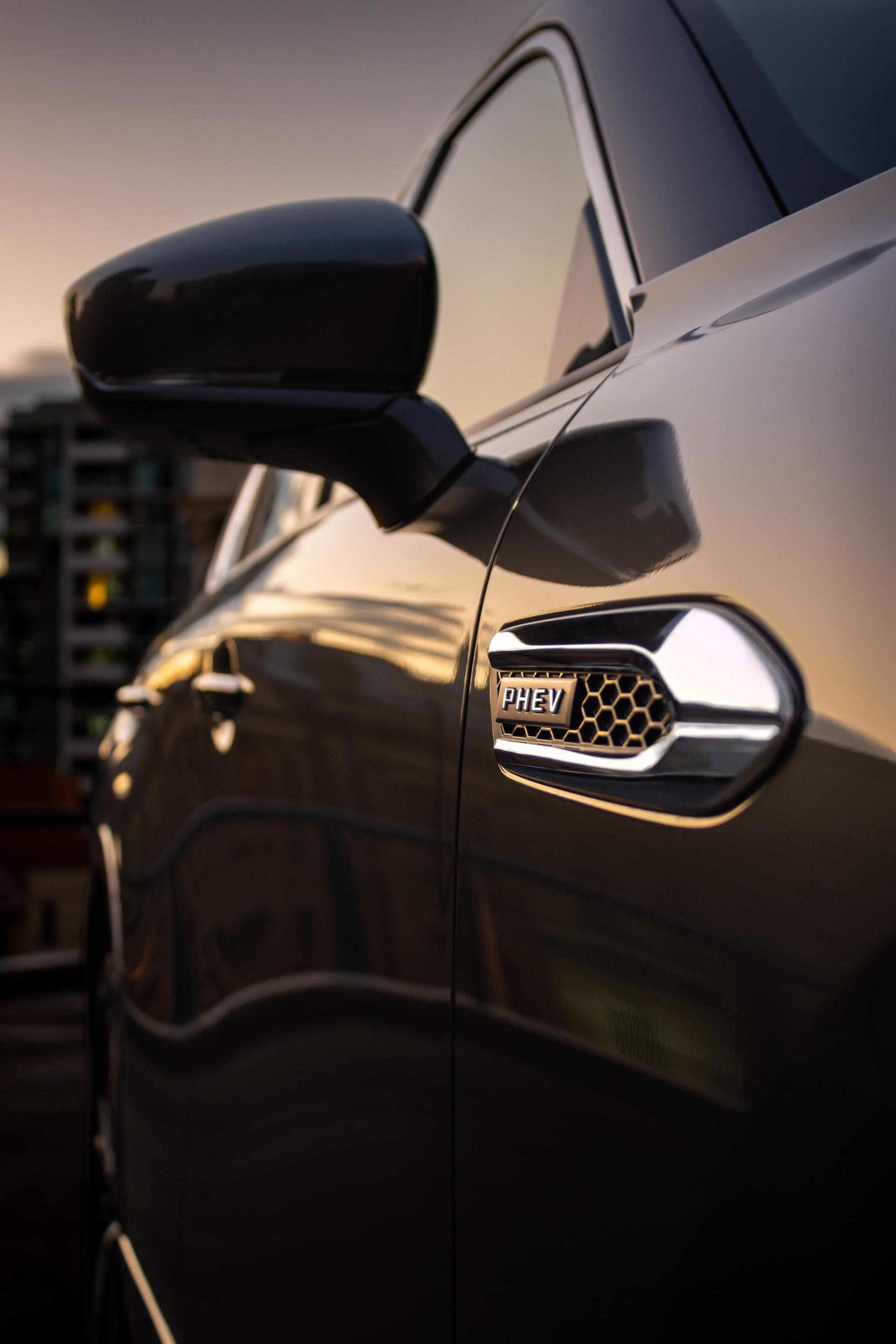
A PHEV is most likely to suit you when:
- You can charge at home or work most days.
- Your normal daily travel fits within its electric range.
- You still make regular regional or interstate trips.
- You want electric commuting without relying entirely on public charging.
- You are prepared to plug the vehicle in consistently.
Before making a decision, record your travel for two weeks. Count how many days fall below 50, 70 and 100 kilometres.
That will provide a much better indication of potential PHEV use than a national average.
BEV: The Lowest Energy Cost When Home Charging Works
For a driver with reliable home charging, a battery electric vehicle can provide the greatest protection from petrol-price volatility as it operates entirely on electricity, no petrol required.
The majority of EV charging is completed at home, according to Australian Government guidance. Home charging can also be the cheapest option, particularly where owners have access to off-peak electricity or rooftop solar.
In our scenario, a BEV drawing 20kWh from the home per 100 kilometres would use approximately 3,000kWh to travel 15,000 kilometres. At 30 cents per kWh, that's $900 per year. Or $75 per month, $17.31 per week, or just 6 cents per kilometre.
Compared with the petrol vehicle's $2,520 annual fuel cost, the illustrative energy saving is $1,620 per year.
Across five years, assuming the same prices and driving distance, that would represent approximately $8,100 in energy-cost savings.
Actual fuel and electricity prices will change over time. This calculation is intended to show the potential scale of the difference, not predict five years of prices.
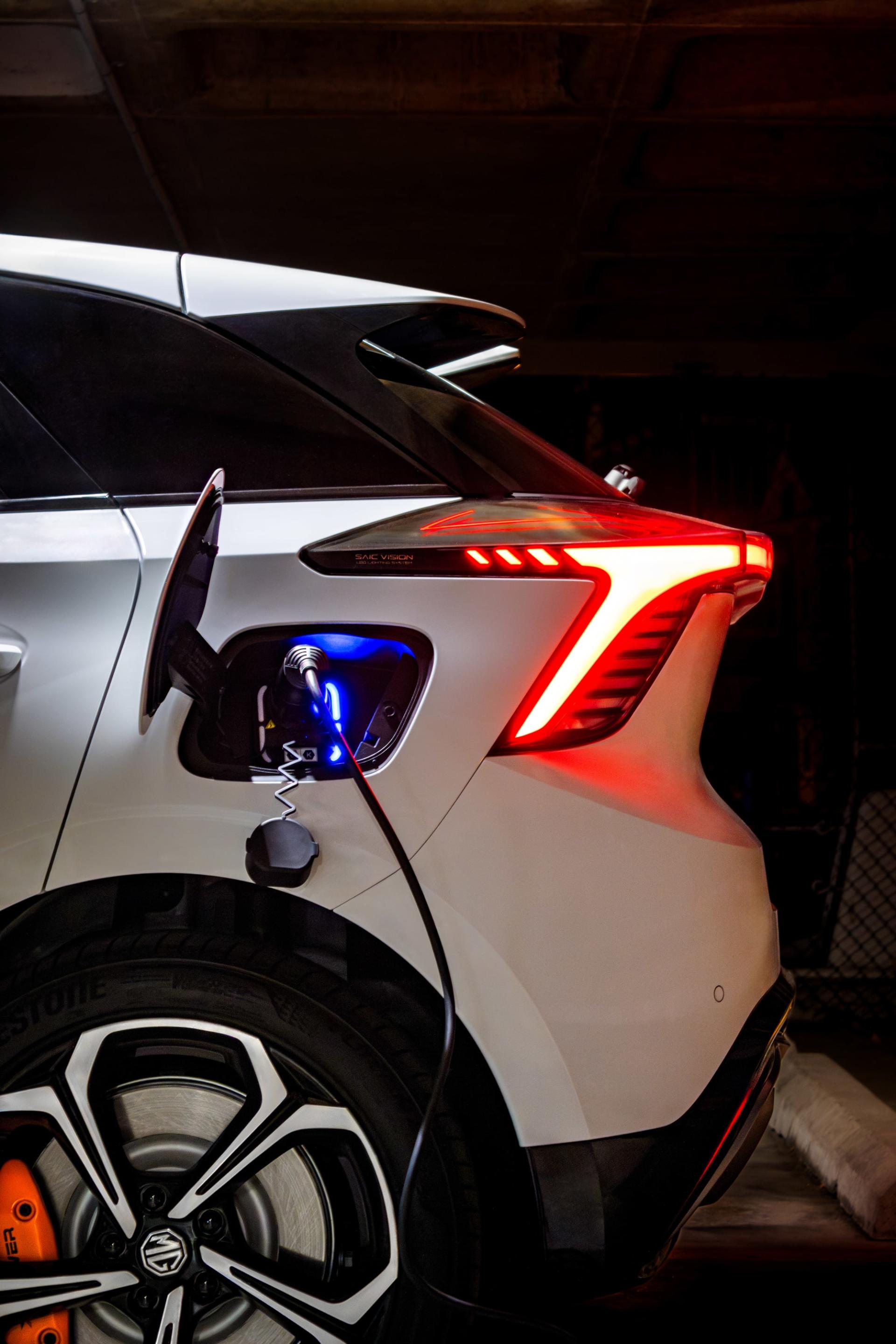
A BEV is most likely to suit you when:
- You have reliable home or workplace charging.
- Most daily travel is predictable.
- Your annual kilometres are high enough to benefit from lower energy costs.
- You can plan charging for occasional longer trips.
- You expect to keep the vehicle for several years.
- You have access to off-peak electricity or rooftop solar.
A BEV may be less straightforward where a driver parks on the street, lives in a building without charging or relies heavily on public fast charging.
That does not necessarily rule it out. It simply changes the cost and convenience calculation.
Your Electricity Rate Can Change the EV Saving Significantly
The 30-cent electricity rate used in our comparison is an illustrative figure, not an average or recommended tariff.
The cost of charging depends on:

You electricity retailer

Your tariff structure

The time of day you charge

Charging losses

Rooftop solar availability

Whether you charge at home or at a public charger

EV parking or session fees
For a BEV drawing 3,000kWh per year:
| Electricity rate | Annual charging cost | Saving versus petrol example |
|---|---|---|
| 15 cents/kWh | $450 | $2,070 |
| 20 cents/kWh | $600 | $1,920 |
| 30 cents/kWh | $900 | $1,620 |
| 40 cents/kWh | $1,200 | $1,320 |
| 60 cents/kWh | $1,800 | $720 |
Even at 60 cents per kWh, the BEV remains cheaper to power in this particular comparison. However, the energy-cost advantage is much smaller than it would be under a competitive home tariff.
The Australian Government recommends comparing energy plans and considering off-peak charging. Households with solar may also reduce charging costs by charging while their system is producing excess electricity.
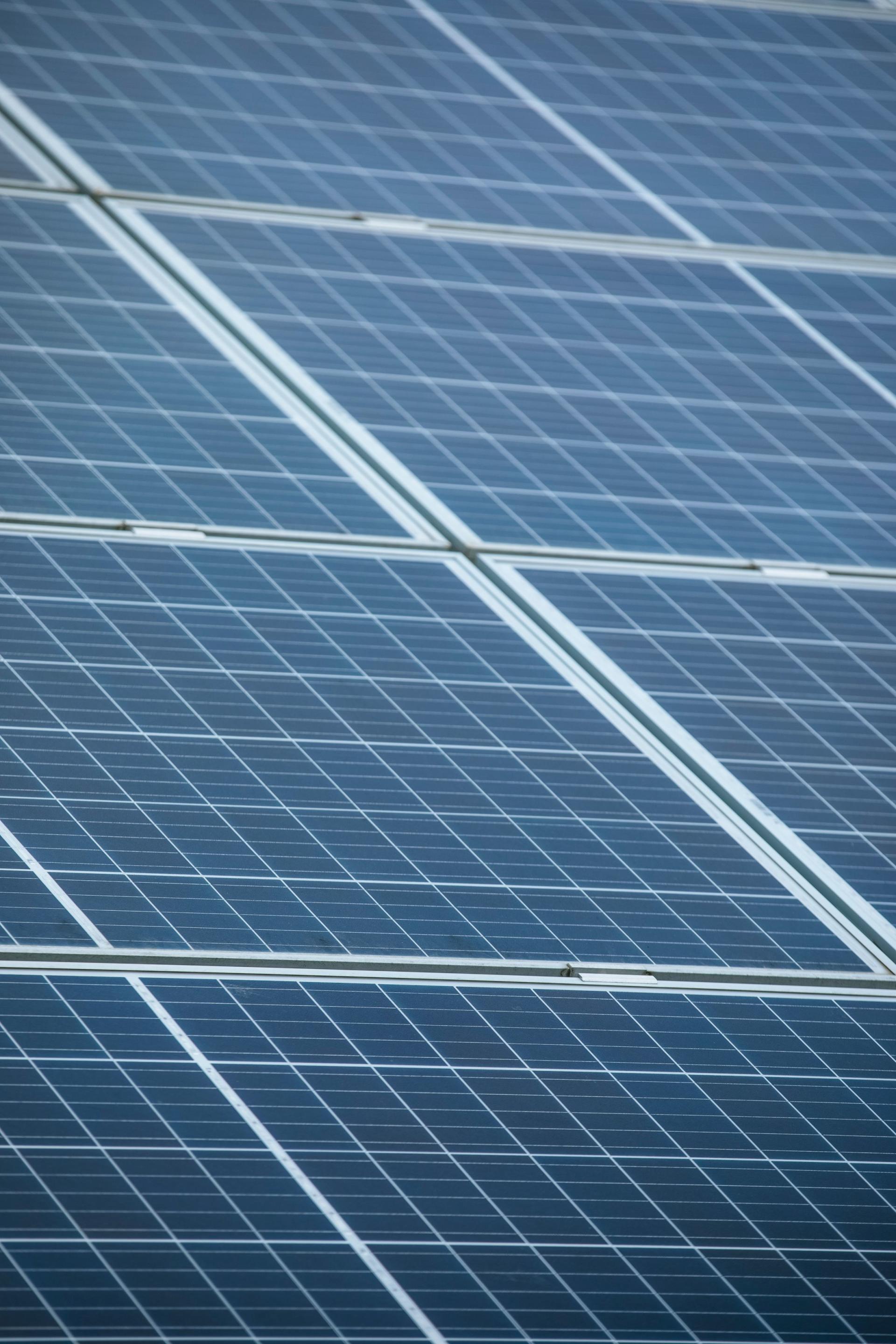
Is solar charging free?
Not necessarily. If solar electricity would otherwise have been exported to the grid, using it to charge a vehicle means giving up the feed-in credit that would have been received.
For example, if the household's feed-in tariff is 6 cents per kWh:
20kWh × $0.06 = $1.20 per 100 kilometres
That is an opportunity cost rather than a retail electricity charge, but it is still substantially below the $16.80 per 100 kilometres calculated for the petrol vehicle in our scenario.
Which Powertrain Is Most Likely to Suit Your Routine?
Motorama recommends beginning with three questions:
- Can you reliably charge where the vehicle is normally parked?
- How far do you travel on a normal day?
- How often do you make longer trips, tow or travel remotely?
| Your driving situation | Powertrain worth considering |
|---|---|
| No reliable charging at home or work | Hybrid |
| Frequent stop-start Brisbane driving | Hybrid |
| Short daily trips but regular regional travel | PHEV |
| Home charging and predictable daily travel | BEV |
| High annual kilometres with home charging | BEV |
| Rooftop solar and daytime home parking | PHEV or BEV |
| Apartment living without charging | Hybrid or a carefully planned BEV arrangement |
| Frequent remote travel | Hybrid, petrol, or diesel depending on requirements |
| Regular towing or heavy loads | Compare the capability of individual vehicles |
No single powertrain is automatically the cheapest or most practical for everyone.
- Hybrid: May provide the simplest saving for a driver who cannot charge.
- PHEV: May suit a household that can complete local travel electrically but wants petrol flexibility for longer trips.
- BEV: May provide the lowest energy cost for a high-kilometre driver with reliable home charging.
The most useful comparison is not petrol versus electric in general. It is one specific vehicle versus another, based on the way you actually drive.
How to Calculate Your Own Potential Saving
You can create a useful initial estimate using information you already have.
1. Find your annual kilometres
2. Calculate your current fuel consumption
3. Calculate your annual fuel cost
4. Calculate the alternative vehicle's energy cost
5. Compare the additional purchase price
What Can Brisbane Drivers Do Right Now?
Even without changing vehicles, motorists can reduce the effect of higher fuel prices.

Compare prices before filling up
Brisbane prices can vary substantially between service stations. Use a current fuel-price app or website rather than assuming your usual station remains competitive.
The ACCC updates its Brisbane petrol buying advice several times each week, while Queensland's reporting scheme supplies current retailer data to independent price publishers.

Combine short trips
Repeated short journeys can be less efficient than completing several errands in one trip.
Australian Government energy guidance recommends planning ahead and combining errands where practical.

Do not travel too far for a small saving
A five-cent saving on a 50-litre fill is worth $2.50.
Driving a significant distance to reach the cheaper station may use much of that saving.

Check tyre pressures
Under-inflated tyres increase rolling resistance and can increase fuel or electricity consumption.
Use the cold tyre pressures shown on the vehicle's tyre placard.

Remove unnecessary weight and drag
Heavy equipment left permanently in the vehicle, unused roof racks and roof platforms can increase energy use.

Use the most efficient household vehicle
Where a household has two vehicles, consider using the lower-consumption vehicle for the longest or most frequent trips.
So, Has the Fuel Excise Increase Changed the Calculation?
For one tank, the effect of the August excise change is straightforward: approximately $12.23 more on a 65-litre fill if the tax increase is passed through in full. Across a year, the more important factor is how many litres your vehicle requires.
In general, a driver covering fewer kilometres will generally save less. A high-kilometre driver may save more. A PHEV that is not charged regularly may deliver a very different result. An EV owner relying on expensive public charging will not receive the same benefit as someone charging at home.
But the direction is clear.
As petrol becomes more expensive, fuel efficiency becomes more valuable and replacing petrol kilometres with competitively priced electricity can create a substantial advantage.
For Brisbane drivers considering their next vehicle, the question is no longer only: "What vehicle can I afford to buy?"
It is also: "What will this vehicle cost me to power every week?"
Where Motorama fits in
If an electrified vehicle is a consideration for your next car purchase, a Motorama dealership is a good place to start to see one in person. Every brand we sell here at Motorama offers an electrified model in some form.
Over the full group of dealerships under the Motorama umbrella, you have a wide range of options to look at so you can find the exact model to fit your particular situation.
Drop in to a Motorama dealership today and test drive one of our many electrified models, and in the meantime, browse the full range right here and start creating a shortlist of your options.
Browse our Electrified Range


Editorial Methodology and Disclosure
Motorama sells petrol, diesel, hybrid, plug-in hybrid and battery electric vehicles across its dealership network.
This guide is intended to help motorists understand and compare potential energy costs. No single powertrain or vehicle will suit every driver.
The calculations are Motorama estimates based on the assumptions displayed in the article. They compare petrol and electricity costs only and are not guarantees of real-world consumption, savings or total ownership costs.
Motorama's Illustrative Energy-Cost Comparison
The following comparison is designed to show the potential scale of the difference. It is not based on one specific vehicle and should not be treated as a quote, guarantee or total-ownership-cost calculation.
How we calculated the estimates:
| Assumption | Figure used |
|---|---|
| Annual distance | 15,000 kilometres |
| Petrol price | $2.10 per litre |
| Home electricity price | $0.30 per kWh |
| Petrol vehicle consumption | 8.0 litres per 100km |
| Hybrid consumption | 5.0 litres per 100km |
| PHEV electric driving | 80% of annual distance |
| PHEV petrol consume when engine is operating | 7.0 litres per 100km |
| Electricity drawn from the home for PHEV and BEV travel | 20kWh per 100 km |
The electricity figure includes an illustrative allowance above the energy consumed by the vehicle to recognise that some energy can be lost during charging.
These calculations compare petrol and electricity costs only. They do not include:
- Purchase price
- Finance
- Registration
- Insurance
- Servicing
- Tyres
- Depreciation
- Resale value
- Home-charger installation
- Public charging or parking fees
The PHEV scenario used in this article
The illustrative calculation assumes:
- 12,000 kilometres completed electrically
- 3,000 kilometres completed using petrol
- 20kWh of household electricity drawn per 100 electric kilometres
- 7.0L/100km while operating on petrol
Official consumption and range figures are measured under controlled conditions. Real results can be affected by the individual vehicle, traffic, speed, weather, load, accessories, air-conditioning, driving behaviour, battery charge, charging losses and energy prices.
This article was reviewed against information published by the ACCC, Australian Taxation Office, Australian Government energy website, Green Vehicle Guide and Queensland Government.
Primary Sources and Calculators
- ACCC Weekly Fuel Price Monitoring Report - 31 July 2026
- ATO Fuel and Petroleum Excise Rates
- ACCC Brisbane Petrol Price Cycles and Buying Advice
- Queensland Fuel Price Information
- Australian Government: Benefits of Electric Vehicles
- Australian Government: Home EV Charging
- Green Vehicle Guide: Hybrid and PHEV Information
- Green Vehicle Guide: Compare Vehicles
- Green Vehicle Guide: Fuel-Cost Calculator


