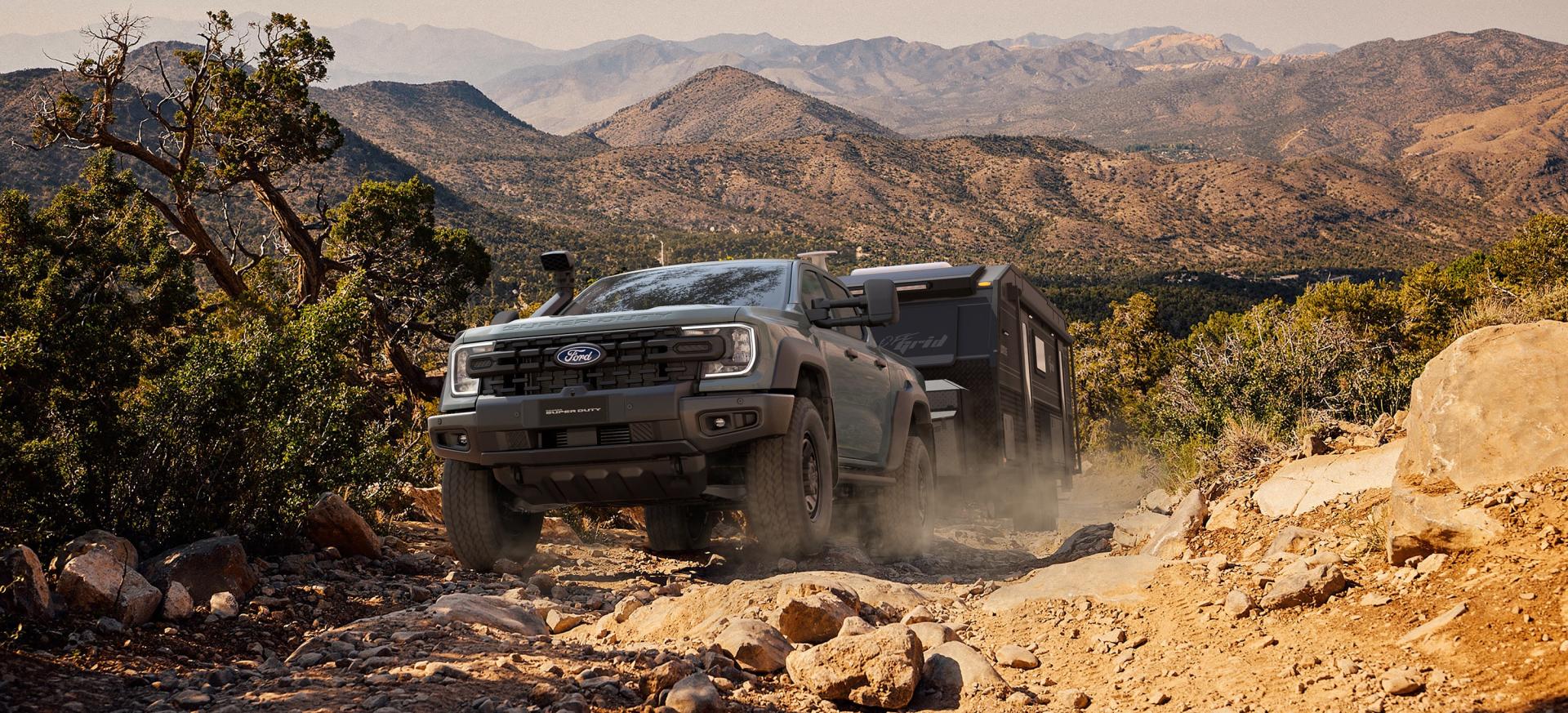
Ford Ranger Super Duty: Built for the Jobs That Break Other Utes
Posted in Vehicle Reviews
Ford Ranger Super Duty: Built for the Jobs That Break Other Utes
Most fleets are asking more of their utes than they were ever meant to give.
It's become normal: bolt on a GVM upgrade, spend weeks waiting for aftermarket fit-outs, and then hope the warranty holds up. But all that tinkering costs time and money, and worse, it keeps vehicles off the road when they should be working.
The Ford Ranger Super Duty has been shaped to cut through those problems. It's not a Raptor with a tray or a dressed-up Wildtrak. This is a ute designed from the start to handle payloads nudging two tonnes and towing 4.5 tonnes - all while staying inside the limits of a car licence.
For procurement teams, that last part matters more than it sounds. It means no scrambling to recruit truck-licence drivers, no restructuring workforce policies. Just put staff behind the wheel and get on with the job.
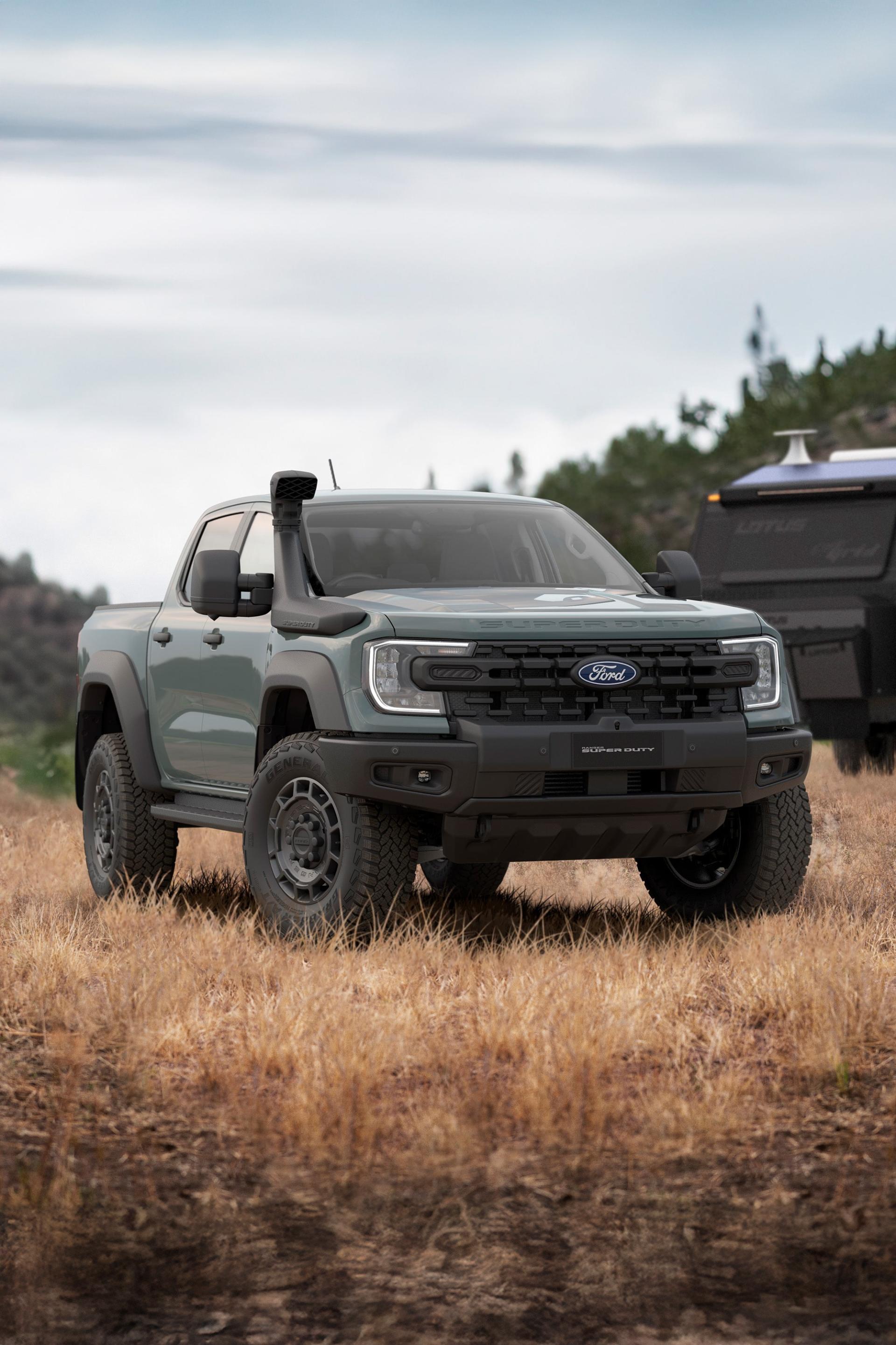
Where fleets stumble
Ask any fleet manager and they'll tell you the same weak spots.
Standard dual cabs hit payload limits quickly - trays full of gear, canopies, racks, and suddenly you're over GVM. Towing trailers near maximum puts cooling and braking systems under pressure, and downtime follows. Aftermarket fit-outs can solve one issue but create another. Warranty questions, compliance headaches, delays.
And when a fleet finally steps up to light trucks like an Isuzu N-Series or Hino 300, they solve payload but lose versatility. Drivers need extra licences. Crews lose 4WD mobility. Vehicles become less fit for mixed work across job sites, paddocks, or regional roads.
That's the gap the Super Duty is stepping into.
Built for the load
Ford didn't just strengthen a Ranger frame and call it a day. Engineers rebuilt the underbody, with about 70% of the content new. Heavy-duty axles, suspension, steering, and a 25% more efficient cooling system were added to keep performance consistent at full GVM and GCM.
It's been tested in ways that mimic real fleet life. Robots ran it 24 hours a day at full payload on punishing tracks.
Brown Mountain in NSW was used to push towing, braking, and cooling under steep grades. At You Yangs, engineers plastered 600 kilograms of clay mud onto the underbody, clogging everything that could clog, to see if it would keep running.
These aren't marketing stunts; they're proof points that the Super Duty has been validated in conditions where other utes falter.
And here's the thing: Ford has kept it practical. Gross Vehicle Mass of 4.5 tonnes. Towing capacity of 4.5 tonnes. A combined figure of 8 tonnes. That's as high as you can go on a car licence in Australia. Push it further and suddenly you need truck-licence drivers and air brakes.
Ford engineered this vehicle to sit exactly on the legal ceiling, because that ceiling is where fleet managers draw the line.
Industries where it earns its keep
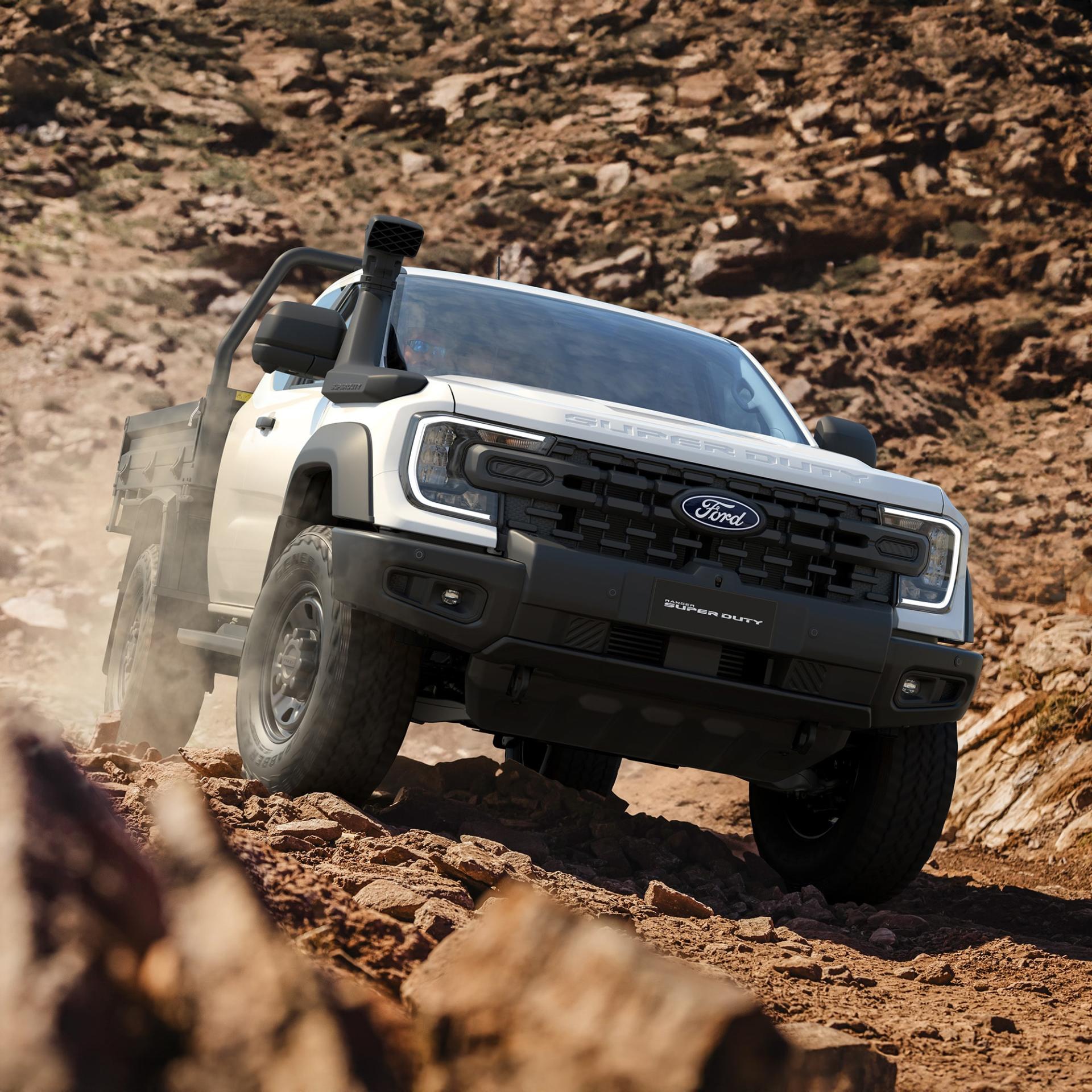
Mining and resources
Mines punish vehicles in ways that spec sheets rarely capture. Corrugated haul roads, mud that chews through bearings, and constant payloads that rattle everything loose.
The Super Duty answers with eight-stud hubs, differential locks front and rear, 33-inch all-terrains, and bumper-to-bumper underbody protection.
An 850mm wading depth means it can push through water-filled pits, and payloads nearing two tonnes make it useful for moving equipment that light trucks would normally handle.
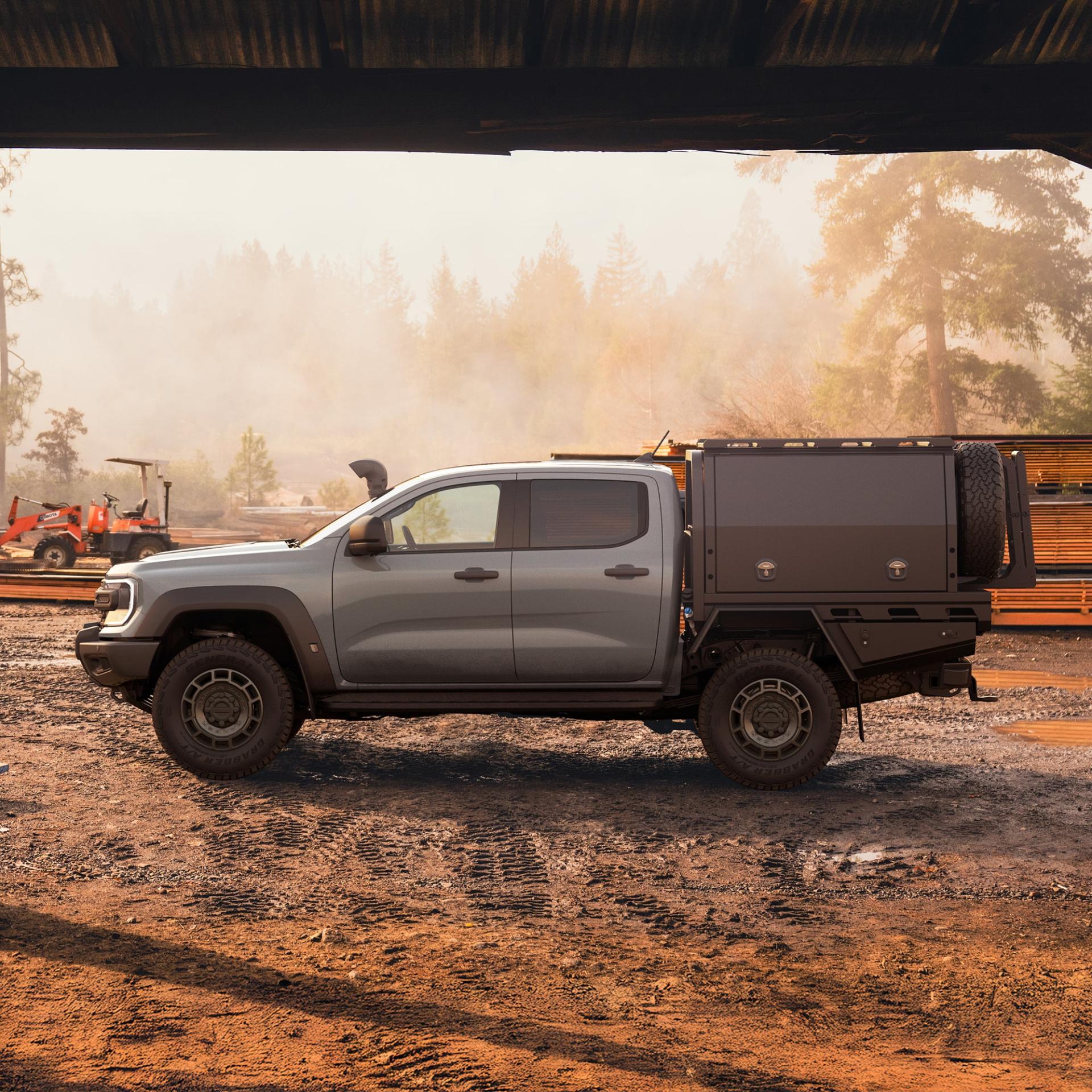
Utilities and councils
Field crews don't just carry gear - they run auxiliary electronics, radios, and lights all day.
The Super Duty includes six factory upfitter switches, blunt-cut wiring, and integrated device mounting points. That means no tearing apart the dash and no questionable wiring jobs.
With payloads between 1,825 and 1,982 kilograms depending on body style, and towing at 4.5 tonnes, crews can carry heavy tools and still tow trailers loaded with equipment without leaving the car-licence category.
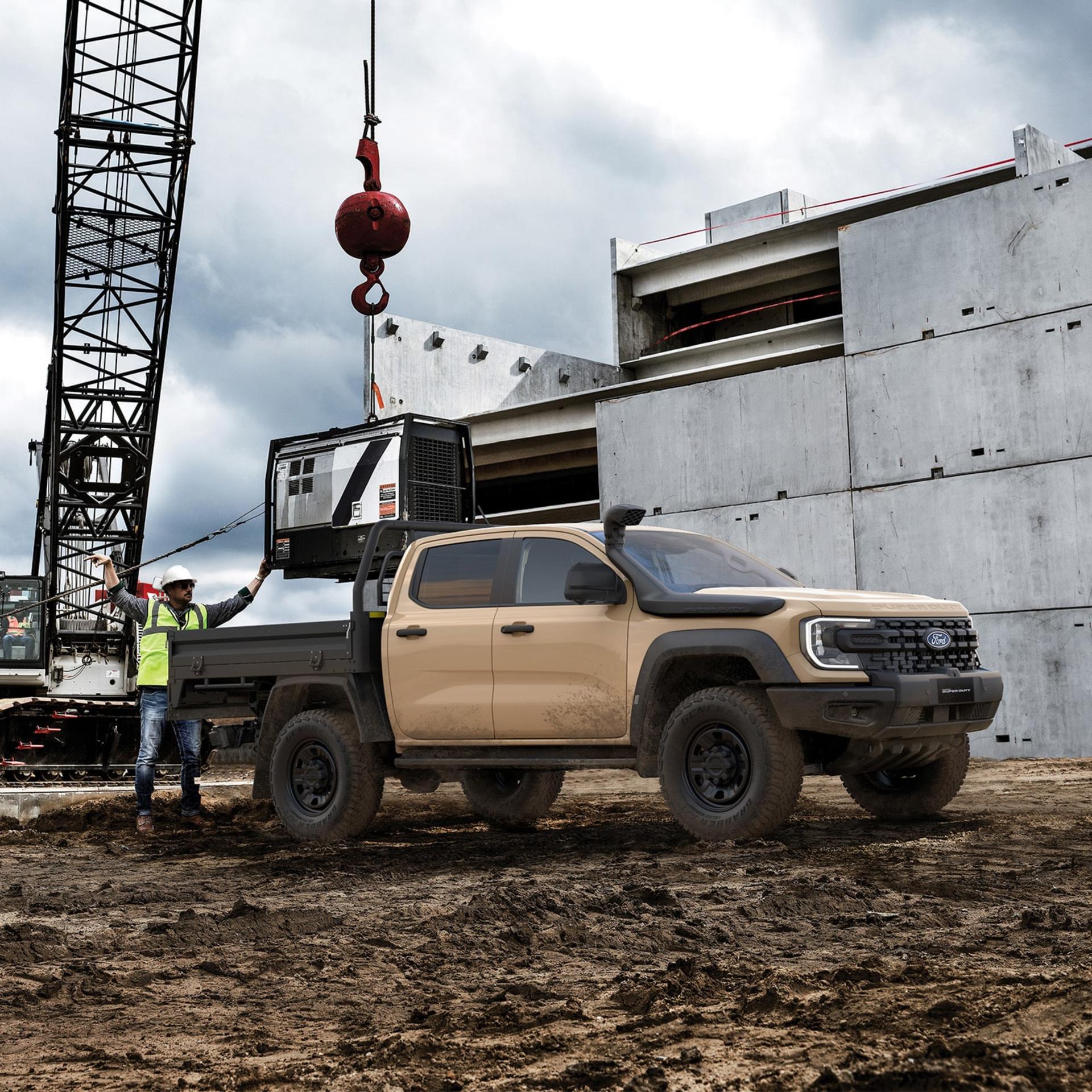
Construction and infrastructure
On site, versatility is king. One day it's carrying materials, the next it's towing machinery.
A heavy-duty rear axle rated to 2,800 kilograms, a long-range 130-litre tank, and Smart Hitch and Onboard Scales to keep towing and loading safe make the Super Duty a strong fit.
Contractors used to running both utes and light trucks may find they can standardise around a single platform.
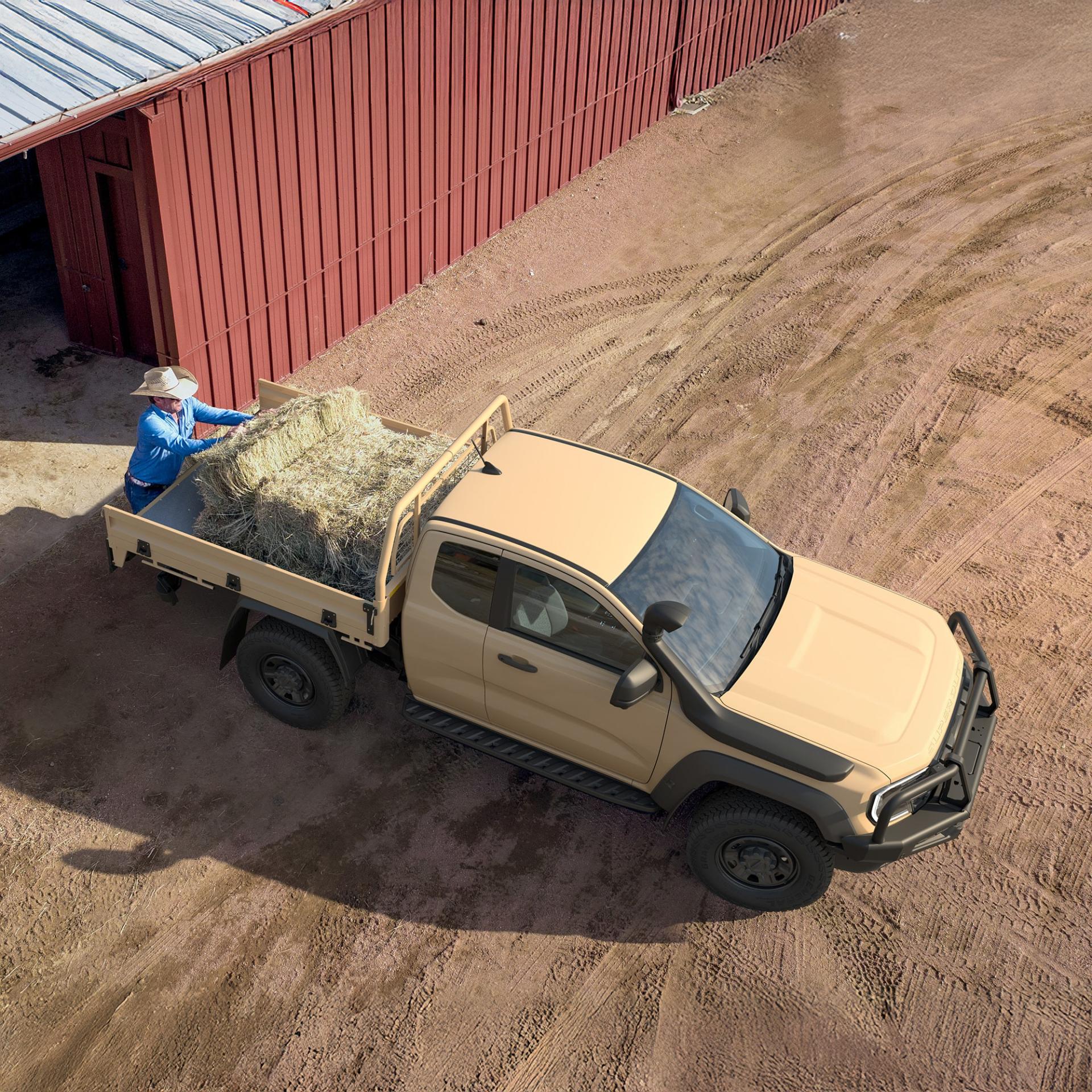
Agriculture
In agriculture, vehicles need to work long hours in hot conditions far from service support.
The Super Duty's upgraded cooling system keeps pulling in high heat. Raised breathers on the driveline let it handle creek crossings. And manual DPF regeneration control gives operators flexibility in fire-prone areas - no unexpected burn-offs in a paddock.
It's these small details that matter when uptime is non-negotiable.
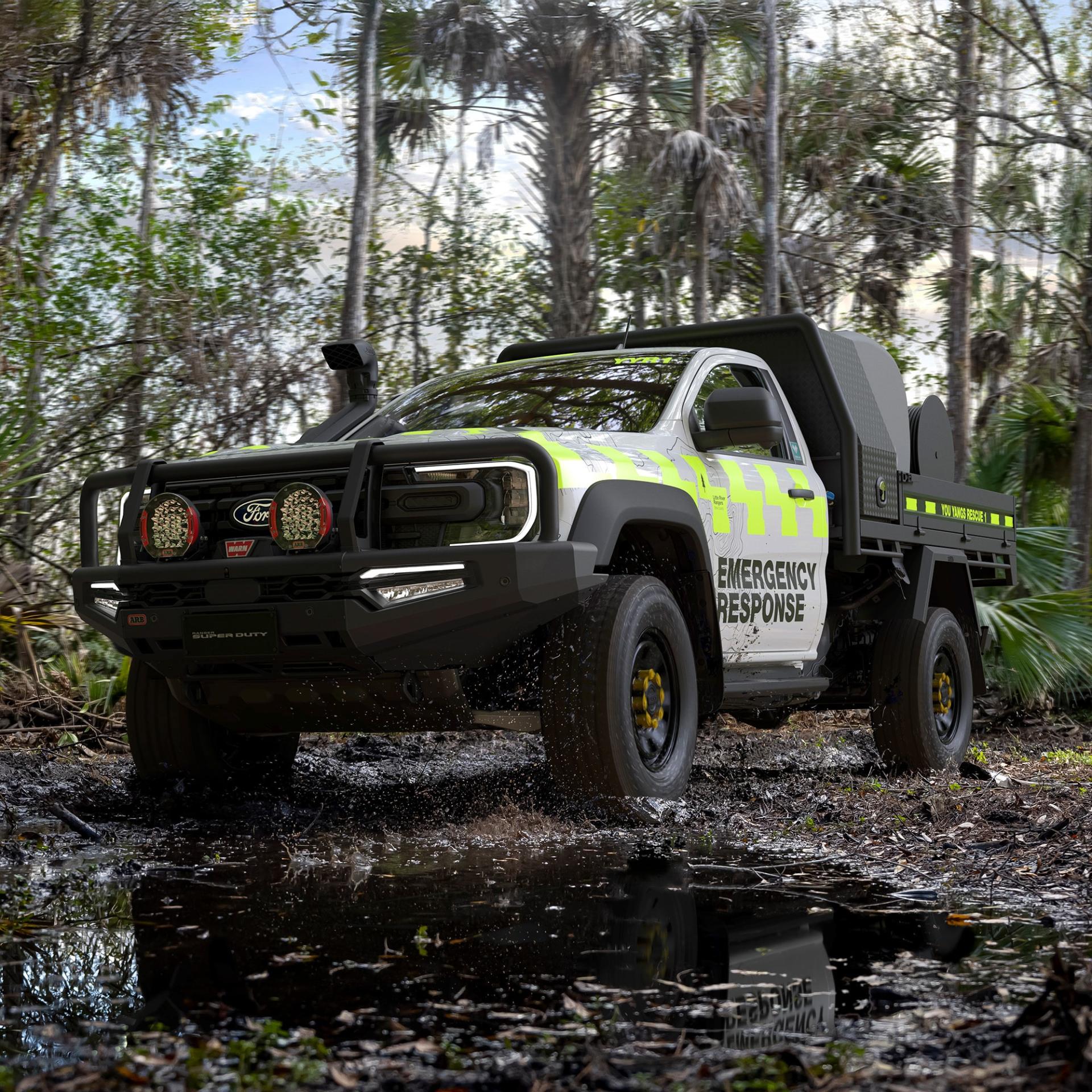
Emergency services
For agencies that rely on dependable fit-outs, the Super Duty offers a safer starting point.
With a GVM of 4.5 tonnes and factory wiring already in place, vehicles can be fitted with radios, lights, and auxiliary power without compromising safety systems.
Payload monitoring through Onboard Scales and Smart Hitch reduces risk when loading heavy equipment in the field.
The bigger picture
Put simply, the Super Duty sits in the space between overworked dual cabs and light-duty trucks.
Payloads of 1.8 to 2.0 tonnes, a rear axle rating of 2,800 kilograms, wading depth of 850mm - these are truck-like numbers wrapped in a Ranger body. But the fact it stays on a car licence keeps fleets flexible.
For procurement officers, the math changes. Vehicles can be deployed faster, fit-outs are cleaner, and compliance risks shrink. The factory warranty remains intact because the truck hasn't been hacked apart to meet requirements.
The conversation shifts from "how do we make this ute work" to "how do we make this ute work for us."
Closing thoughts
Fleets have spent years pushing vehicles past their limits or stepping up to trucks that don't quite fit.
The Ford Ranger Super Duty offers a different path - a factory-built platform that carries the load, tows the trailer, and does it without the red tape of truck licensing.
It's not pretending to be something it isn't. It's a ute, engineered for heavy-duty roles across mining, utilities, construction, agriculture, and emergency services.
Built in Australia, tested in Australia, and shaped by the fleets who said they needed more.
And maybe that's the real story here.
The Super Duty isn't about making utes bigger for the sake of it. It's about listening to the people who rely on them every day - and finally building one that's fit for the job.