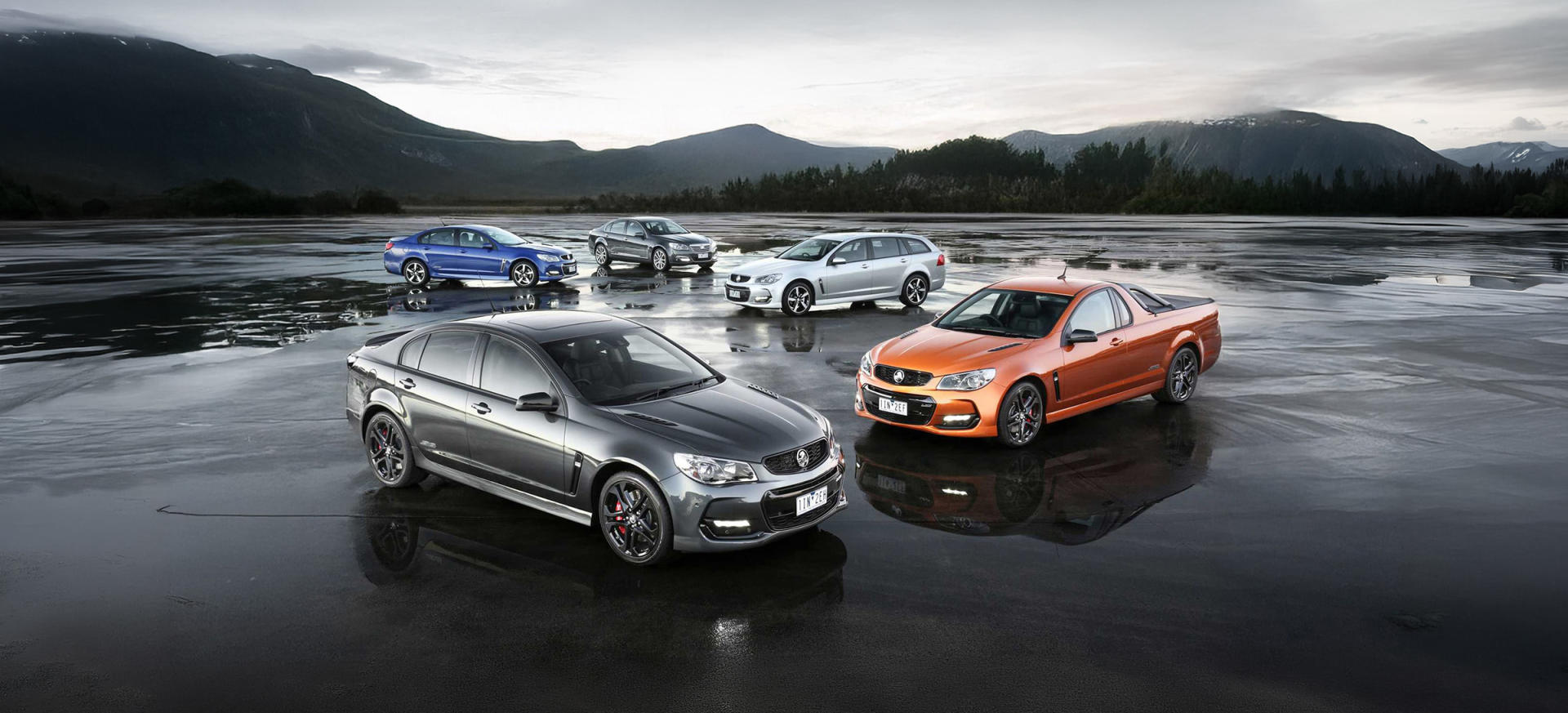
15 Hidden Holden Features Most Owners Never Knew
Posted in Vehicle Reviews
15 Hidden Holden Features Most Owners Never Knew About
Holden is gone, but that does not mean we have finished finding interesting things in its cars.
The obvious stuff was never particularly shy. A V8 Commodore sounded like a V8 Commodore. An SS-V Redline Ute did not need a hidden menu to explain why people wanted one.
But buried beneath all that were some genuinely clever ideas. Plenty of owners could drive the same Holden for years without ever knowing they were there.
And now that Holden has left the showroom, these details are arguably more interesting than ever. Theyreittle reminders that there was often more engineering tucked away in them than the badge or spec sheet let on.
Here are 15 of the best hidden Holden features found in post-2000 models sold in Australia.
Availability can vary by model year, trim, infotainment system and optional equipment, so think of this as a list of things your Holden might be able to do rather than a guarantee that every example can do them.
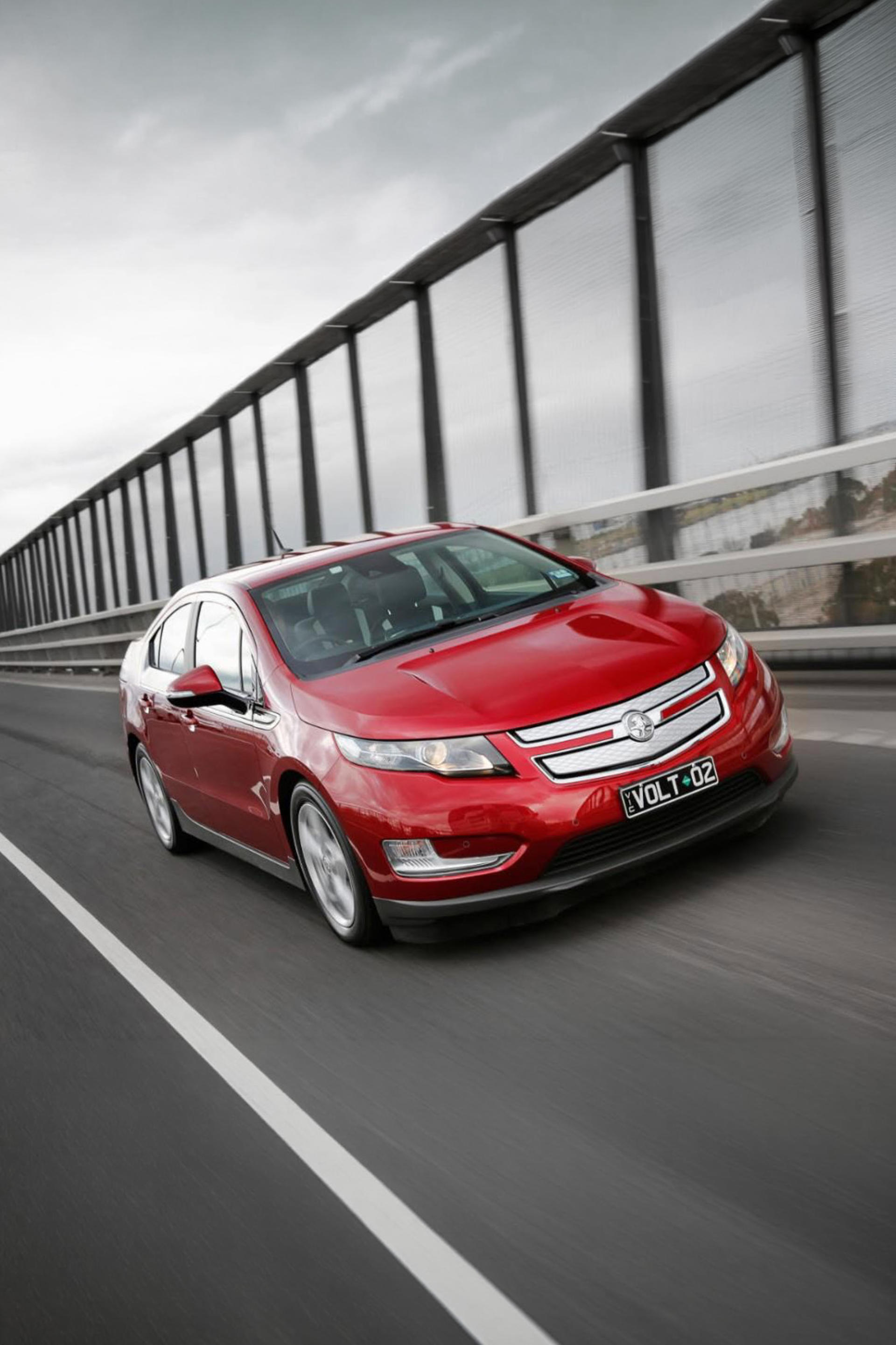
1. The Holden Volt keeps track of how old its petrol is
The Volt was built around a slightly unusual problem: what happens when an electric car is so good at avoiding petrol stations that the fuel in its tank barely gets used?
Holden's answer was Fuel Maintenance Mode.
The Volt calculates the average age of the fuel in its tank. If the engine has seen very little use and that average age stretches to roughly a year, the car can deliberately run the petrol engine to start using it up.
So if your fully charged Volt suddenly fires its engine, it does not automatically mean something is wrong. It may simply have decided the petrol has been hanging around long enough.
The system can switch the engine on and off during the process, and the warning may return on later starts until enough old fuel has been consumed or fresh fuel is added.
One important distinction: the Volt is not chemically analysing the petrol. It is calculating its average age based on use and refuelling.
Think less mobile laboratory, more extremely responsible pantry manager.
Owner tip: If Fuel Maintenance Mode appears, do not assume you have an engine fault simply because you still have battery charge.
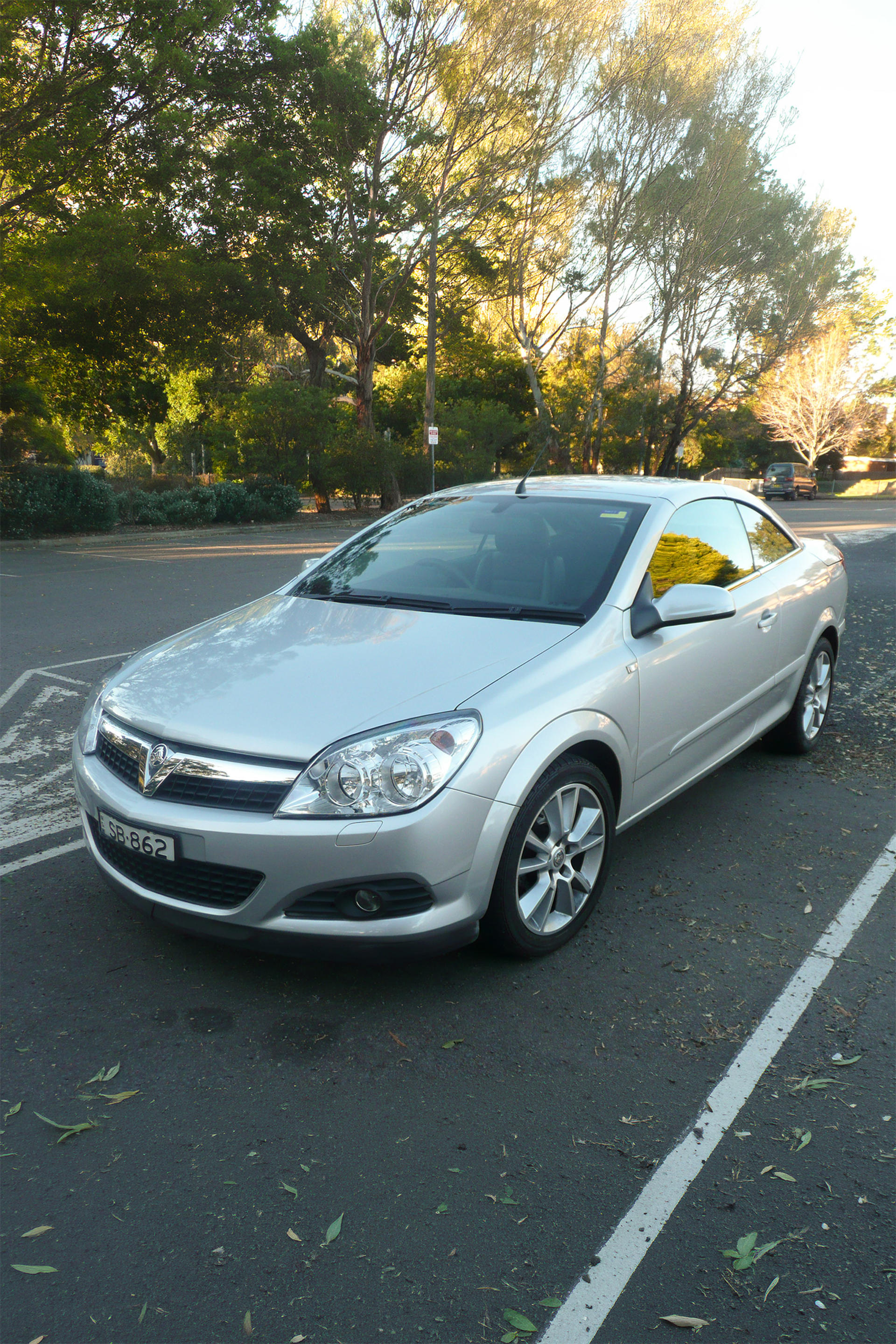
2. The Astra TwinTop can lift its own folded roof out of the way
Retractable hardtops are excellent at making a car look clever right up until you try to put luggage in the boot.
With the Astra AH TwinTop's metal roof folded away, a fair chunk of the luggage opening disappears behind roof panels and mechanism.
So Holden gave it a loading aid.
With the roof down, the system can electrically raise the entire folded roof stack by about 25 centimetres, creating enough extra room to load luggage underneath it.
In other words, the car briefly gives its own roof a lift so you can fit the shopping in.
A confirmation tone sounds when the roof stack reaches its fully raised or lowered position.
It is a wonderfully elaborate solution to a very simple convertible problem.
Owner tip: Make sure the stack is completely lowered again before closing the boot, and keep hands and loose items well away from the moving mechanism.
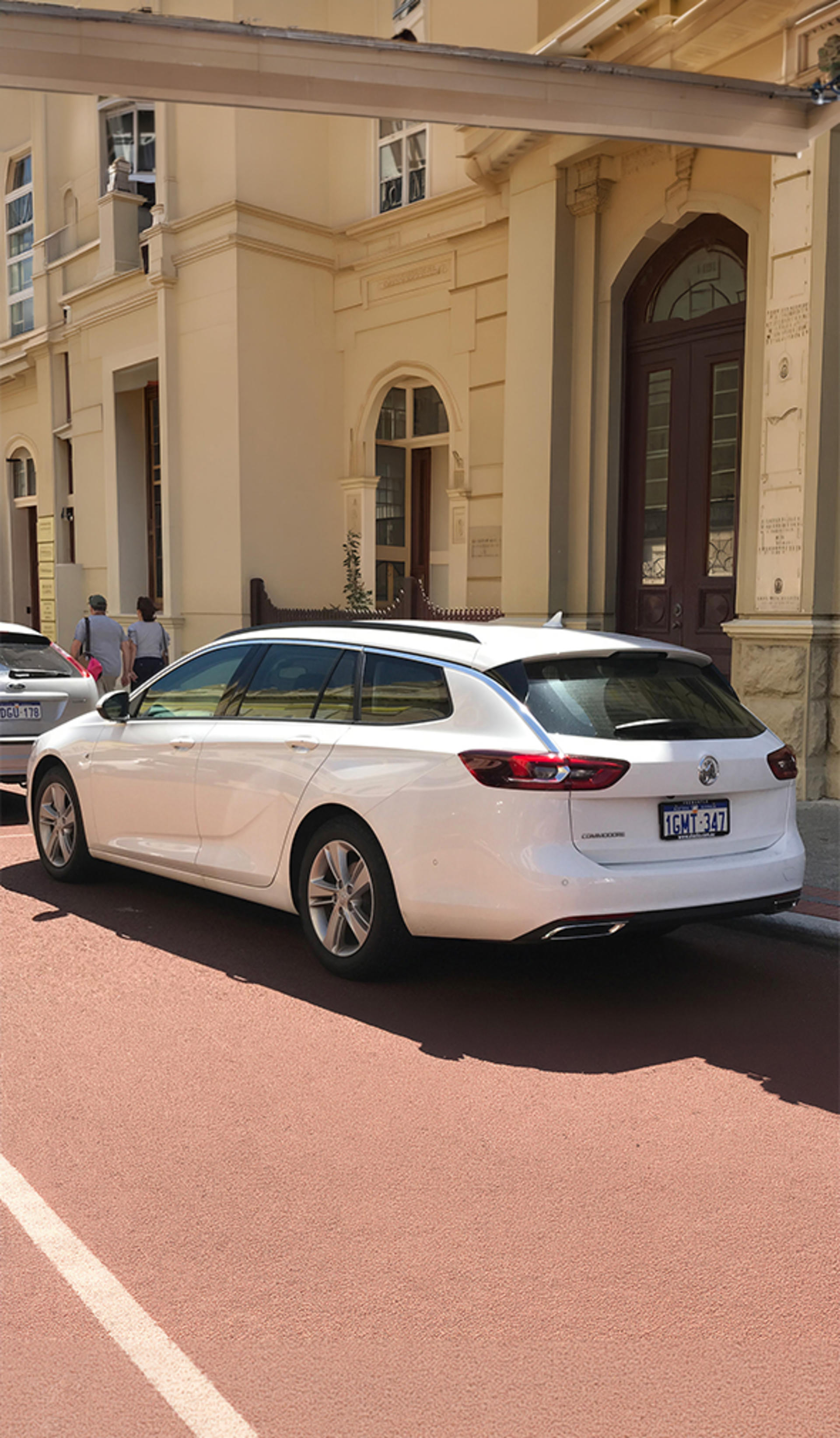
3. The ZB Commodore can project a Holden lion onto the ground
Selected ZB Commodore Sportwagon and Tourer models have one of the more theatrical features on this list.
Approach the rear of the car with the key and an image can be projected onto the ground behind it.
Yes, it is a Holden lion.
But it is not there purely for decoration. The projection shows you where to make the foot movement that activates the hands-free power tailgate.
That means less time repeatedly kicking underneath the bumper while trying to convince everyone nearby that you know exactly what you are doing.
It gets better.
When a towbar is fitted, the projected target can move towards the left, steering your foot away from the towbar hardware.
The Holden lion does not merely appear. It adjusts itself to suit the car.
Owner tip: This feature depends on the hands-free tailgate equipment fitted to the vehicle, so not every ZB wagon will have it.
Sources: ZB Commodore Owner's Manual
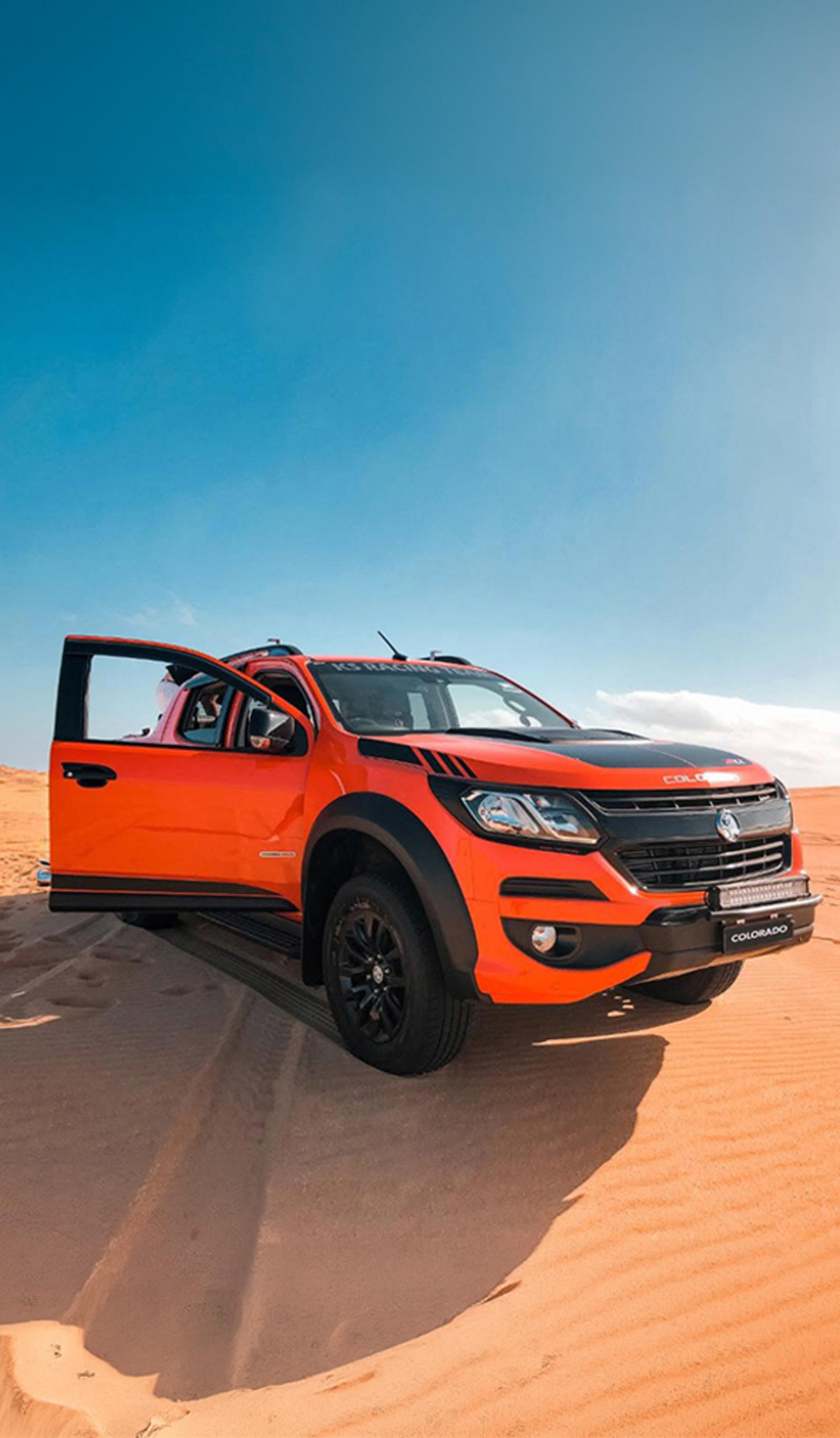
4. The Colorado cracks its windows to make the doors easier to close
If you open a front door on an appropriately equipped Colorado RG, you may notice the fully closed window drop slightly.
Close the door and it rises again.
Before assuming an electrical gremlin has arrived, this is intentional.
Holden called the system Pressure Relief. The small gap lets trapped cabin air escape as the large front door closes, reducing the pressure you are pushing against.
It looks a little like the glass movement on a frameless coupe, but the purpose is different. The Colorado is effectively letting the cab exhale.
If the window does not return to its proper position, the vehicle may give a horn chirp as a warning.
Owner tip: A brief window drop when opening the door can be completely normal. A window that stays down is not.
For a ute designed to spend its life around towing, worksites and mud, it is a surprisingly civilised touch.
Sources: MY19 Holden Colorado Owner's Manual
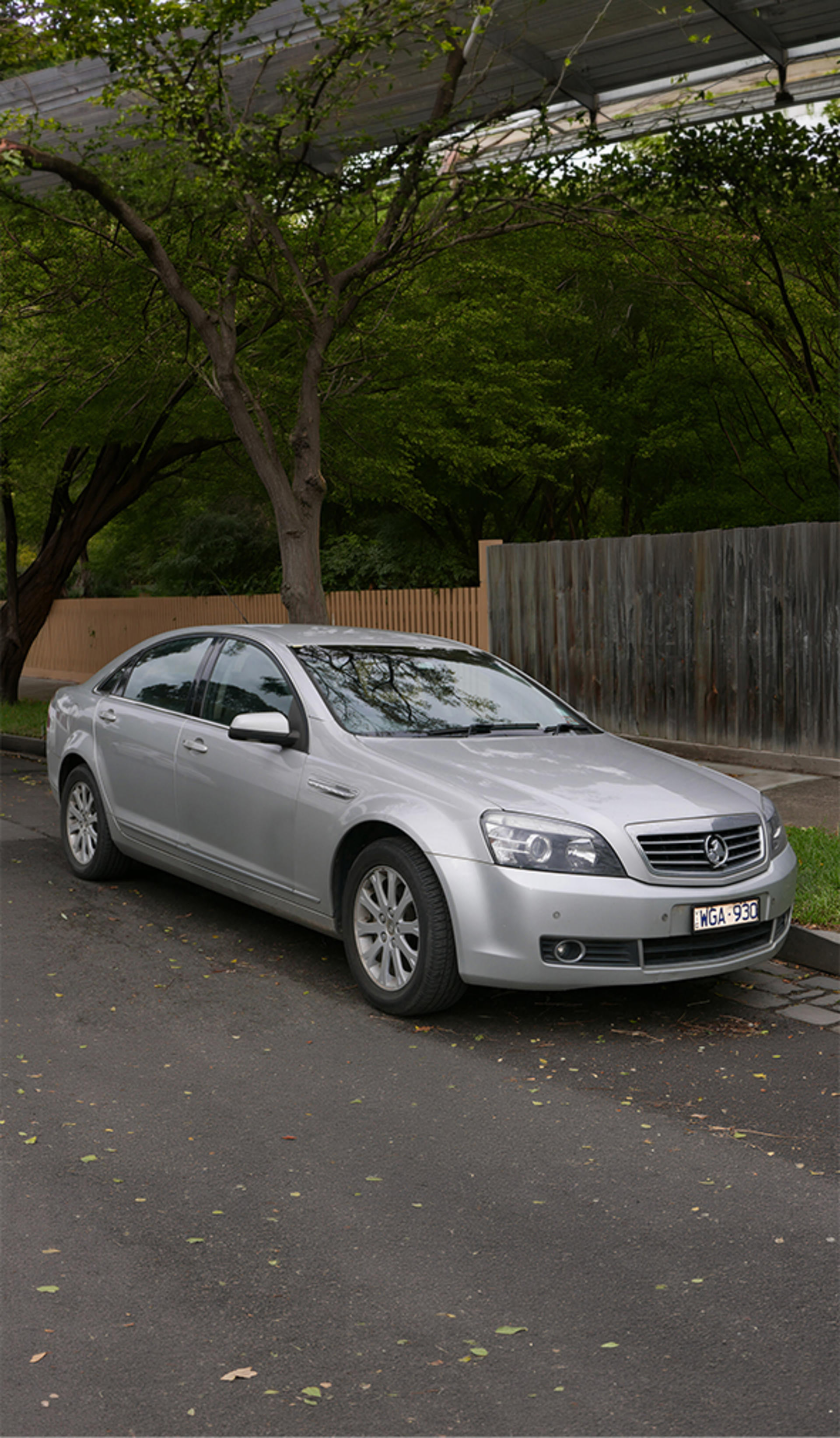
5. Some Statesmans and Caprices can remember your perfect reversing-mirror angle
This one does not apply to every VE-era Holden, but owners of selected WM and WM II Statesman and Caprice models got a particularly useful trick.
When reverse is selected, the passenger-side exterior mirror can dip down to improve your view of the kerb, parking line or rear wheel.
Useful enough.
But on cars with the appropriate memory equipment, you can also store the angle you actually want.
So rather than putting up with a generic factory position, one driver can set the mirror for a close look at the rear wheel while another can prefer a wider view of the parking bay.
The car remembers.
Call it Curb View Assist if you like. We prefer personalised alloy-wheel preservation.
Owner tip: Programming varies between model years and equipment packages, so use the handbook for your specific car rather than assuming a forum procedure will work.

6. A VE Commodore can be smart enough to know the towbar belongs there
Anyone who has fitted a towbar near rear parking sensors knows the problem.
Select reverse. BEEEEEP.
The car immediately announces that there is an object dangerously close behind you.
Yes, Commodore. That would be your own towbar.
Properly equipped VE Commodores had a more elegant solution. With compatible towbar hardware, wiring and park-assist configuration, the vehicle could account for the towbar rather than treating it as a permanent collision threat.
Some cars included a Towbar Attached setting in the park-assist customisation menu.
Certain trailer-wiring setups could also switch the rear sensors off when a trailer was plugged in.
The important bit is that these are related systems, not one universal feature. Whether yours works this way depends on the towbar, wiring harness, trailer socket, park-assist system and how everything was installed.
When set up properly, though, the Commodore finally understands that the large metal object immediately behind it is meant to be there.
Owner tip: Do not assume every genuine or aftermarket VE towbar automatically disables the sensors. If yours screams continuously in reverse, check the wiring and configuration before accepting it as normal.
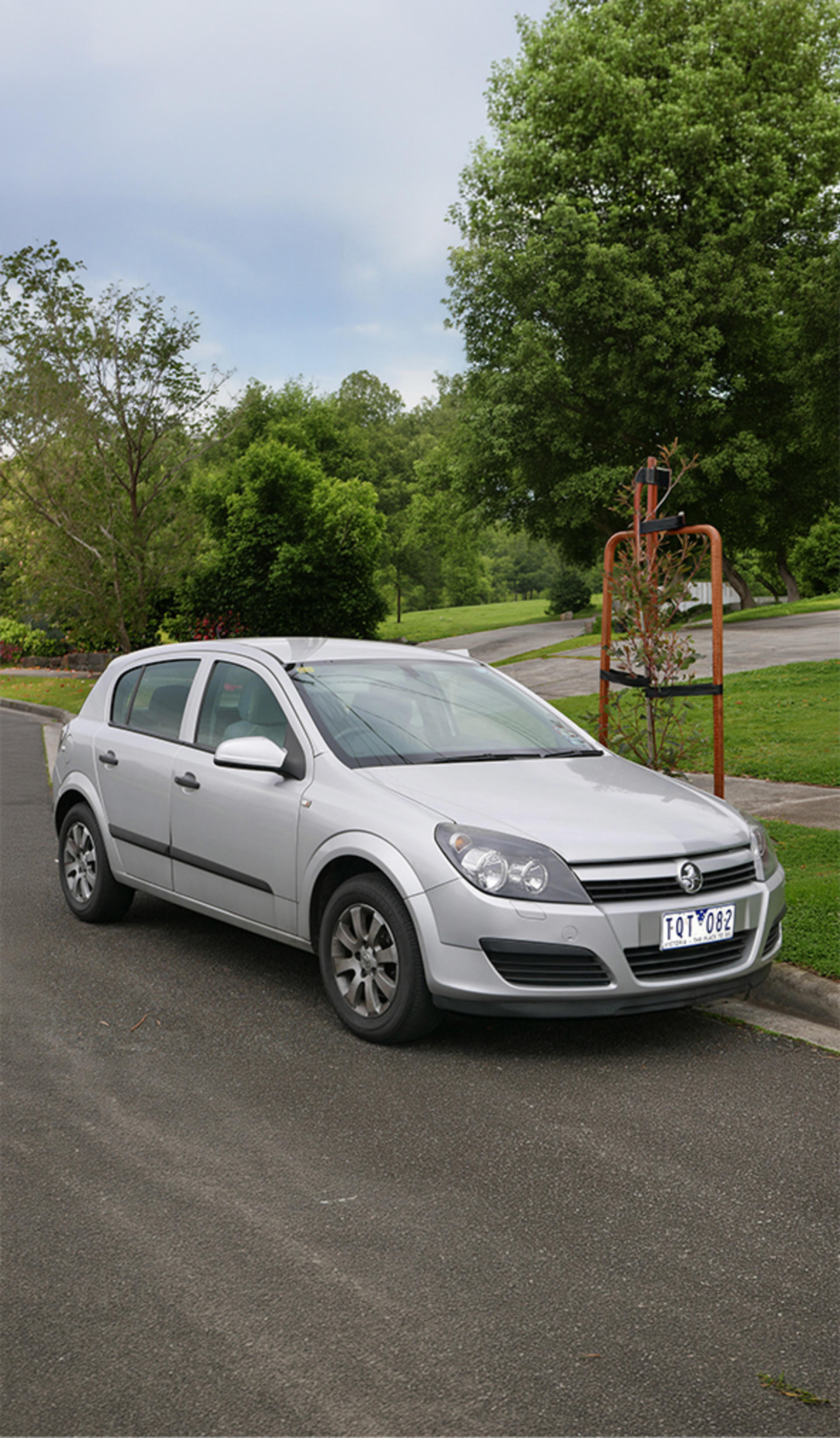
7. The Astra AH hides automatic door locking behind a long button press
The Astra AH's central-locking button appears to have a fairly limited job.
Press it. Doors lock. Press it again. Doors unlock.
On equipped cars, however, holding the button for about three seconds can activate or deactivate speed-sensitive automatic locking.
With the feature enabled, the doors automatically lock after the Astra reaches roughly 12 km/h.
No diagnostic computer. No secret sequence involving the pedals, indicators and phases of the moon.
Just hold the button.
This is exactly the sort of thing that becomes a "hidden feature" simply because hardly anyone thinks to hold an ordinary-looking button down for three seconds.
Owner tip: The feature is variant-dependent, so do not assume every Astra AH has it. Make any changes while the car is safely stationary.
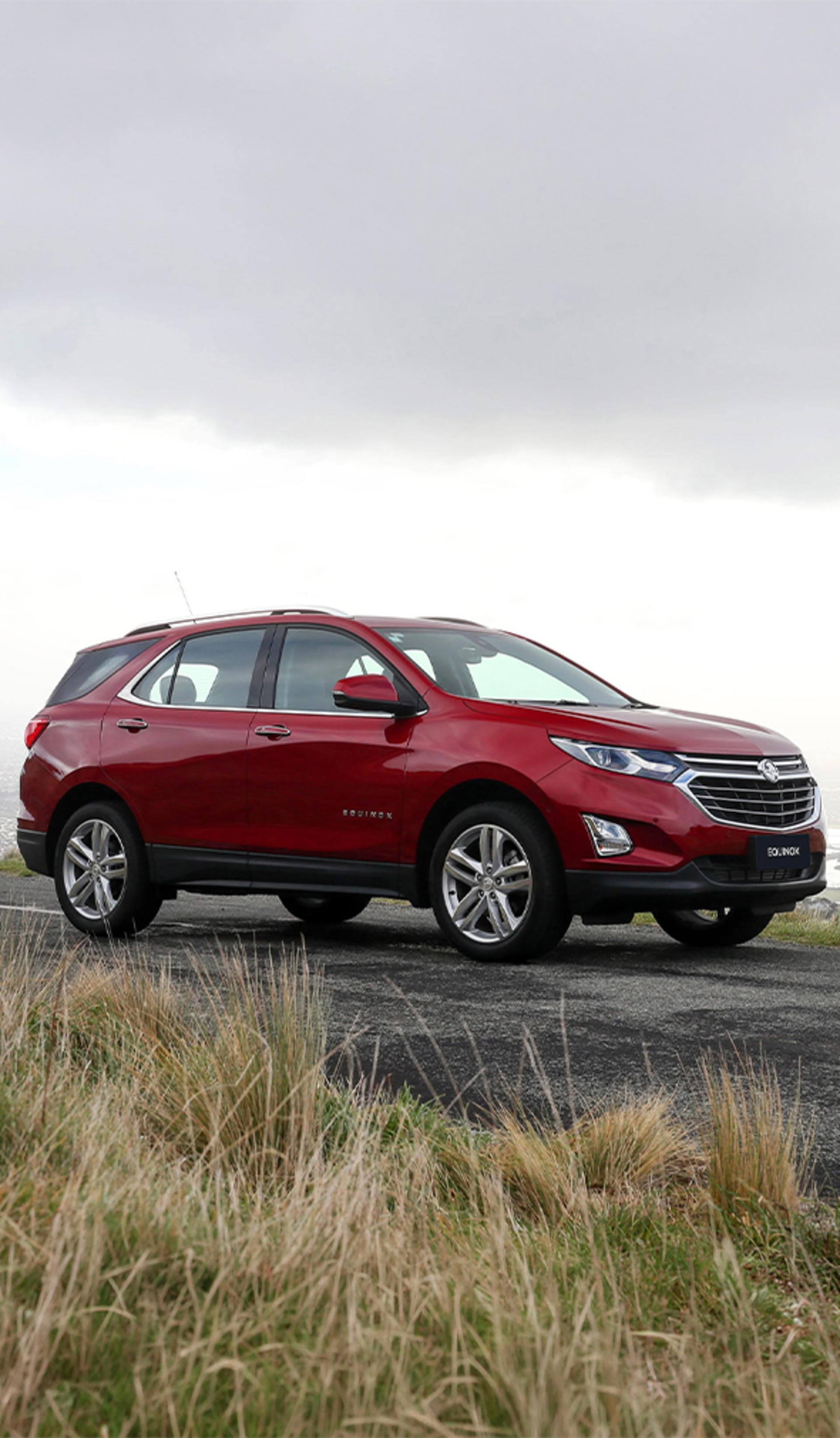
8. A keyless Holden can still start when the remote battery is flat
This is probably the feature on this list most likely to save an owner from a very frustrating afternoon.
Your keyless Holden says it cannot detect the remote. You are sitting inside the car. The key is in your hand. Excellent.
Before you start waving the fob around the cabin like a TV remote with dying batteries, many keyless Holdens have a specific backup-reader location.
Put the remote in the correct spot and the vehicle can recognise its passive transponder even when the key battery is weak or flat.
The location varies by model:
- VF Commodore: Transmitter pocket inside the centre-console storage compartment.
- ZB Commodore: Designated transmitter pocket in the centre console.
- Malibu EM: Rear-most centre console cupholder, generally with the Holden logo facing up.
- Equinox: Designated centre console cupholder position.
Once the key is there, use the normal brake-and-start-button procedure.
"Backup transponder reader" is technically correct. "Magic cupholder" is easier to remember.
Owner tip: The reader does not recharge the remote. It simply lets the car authenticate the key. Replace the fob battery as soon as practical.
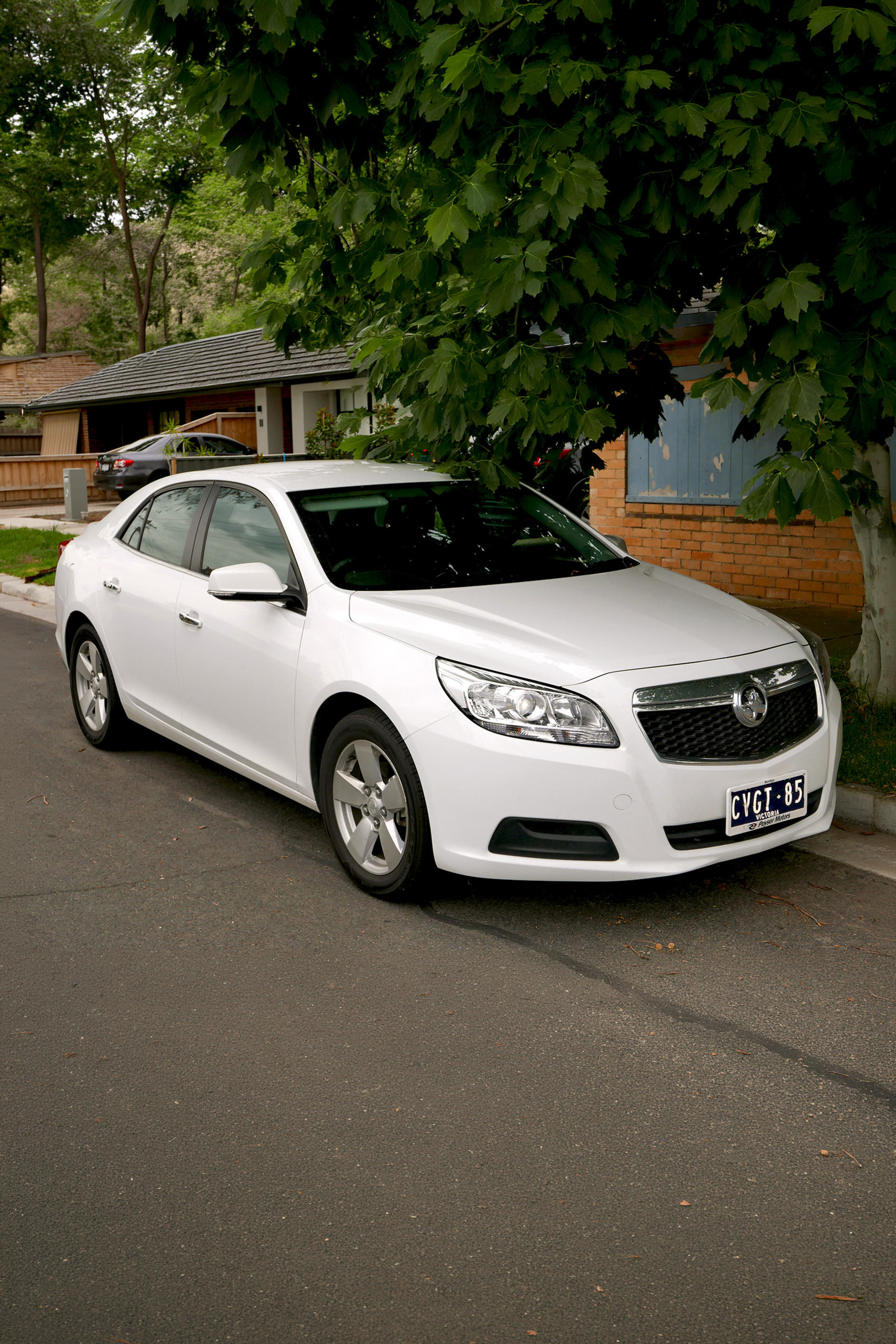
9. The diesel Malibu can deliberately pull away in second or third gear
Manual modes in automatic cars usually exist to make the driver feel slightly more involved. The diesel Malibu had a much more practical party trick.
On slippery surfaces, the driver can select manual mode and choose second gear while stationary. Diesel models can also be instructed to pull away in third.
Starting in a taller gear reduces the torque multiplication reaching the driven wheels, making them less likely to spin immediately on a low-grip surface.
It is basically anti-launch control. Instead of trying to leave the line as aggressively as possible, the Malibu sets off with the care of someone carrying an overfilled takeaway coffee.
Snow may not trouble the average Australian Malibu owner, but slippery surfaces certainly can.
Owner tip: This was intended as a low-traction aid, not a performance feature. There is no benefit in routinely making the car start in a high gear on normal dry roads.
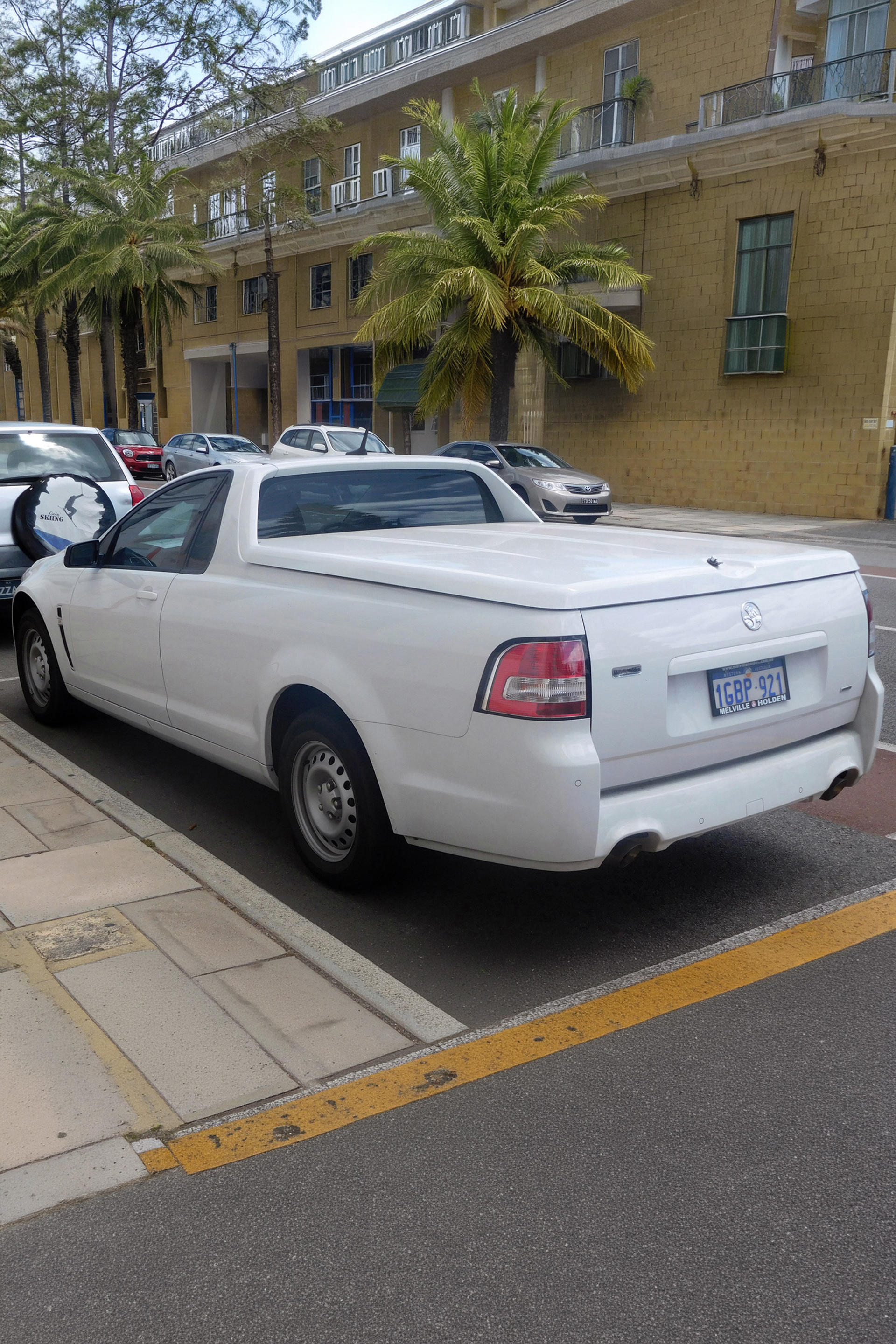
10. The VF Ute can lock its genuine hard tonneau with the doors
The genuine hard tonneau offered for the VF Ute was not simply a large painted lid.
With the correct electrical integration, it became part of the ute's central-locking system.
Press lock on the remote and the doors and tonneau can lock together. Unlock the ute and the cover releases with them.
That is a small detail, but it makes the tonneau feel like part of the vehicle rather than something bolted on afterwards.
There was also a manual key release and an emergency release underneath the cover near the latch. Holden specified a glow-in-the-dark lever so it could be found from inside the enclosed load area.
For obvious reasons, nobody should ever travel in the ute tub.
Owner tip: This feature applies to the Genuine Holden Accessory hard tonneau with the correct electrical integration. An aftermarket cover should not be assumed to behave the same way.
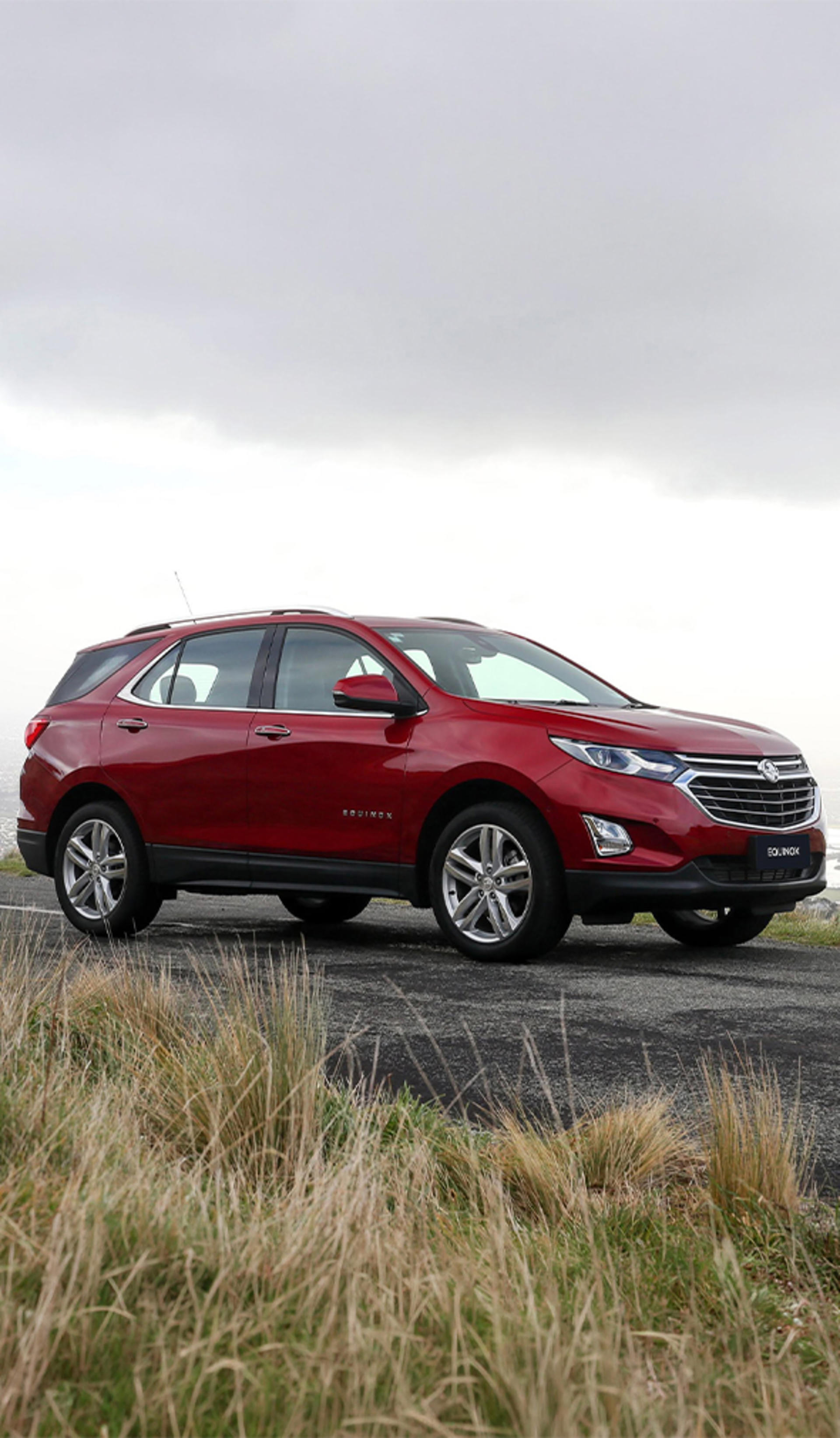
11. Your Holden may have a different personality for each key
If a shared Holden seems to change things for no obvious reason, the car may not be temperamental. It may simply think somebody else is driving.
Several Holden models could link personal settings to individual keys or remotes. Depending on the car and its equipment, that could include things such as:
- seat position
- mirror position
- reverse-dip mirror angle
- climate-control preferences
- radio and infotainment settings
- instrument illumination
- lighting behaviour
- central-locking preferences
Selected WM and WM II Statesman and Caprice models had particularly extensive personal identity settings, while relevant Colorado and Astra variants could remember their own collections of comfort, lighting and infotainment preferences.
Owner tip: In a two-driver household, give each regular driver their own remote and stick with it. Constantly swapping keys can make the vehicle appear to "forget" settings when it is actually loading another driver's profile.
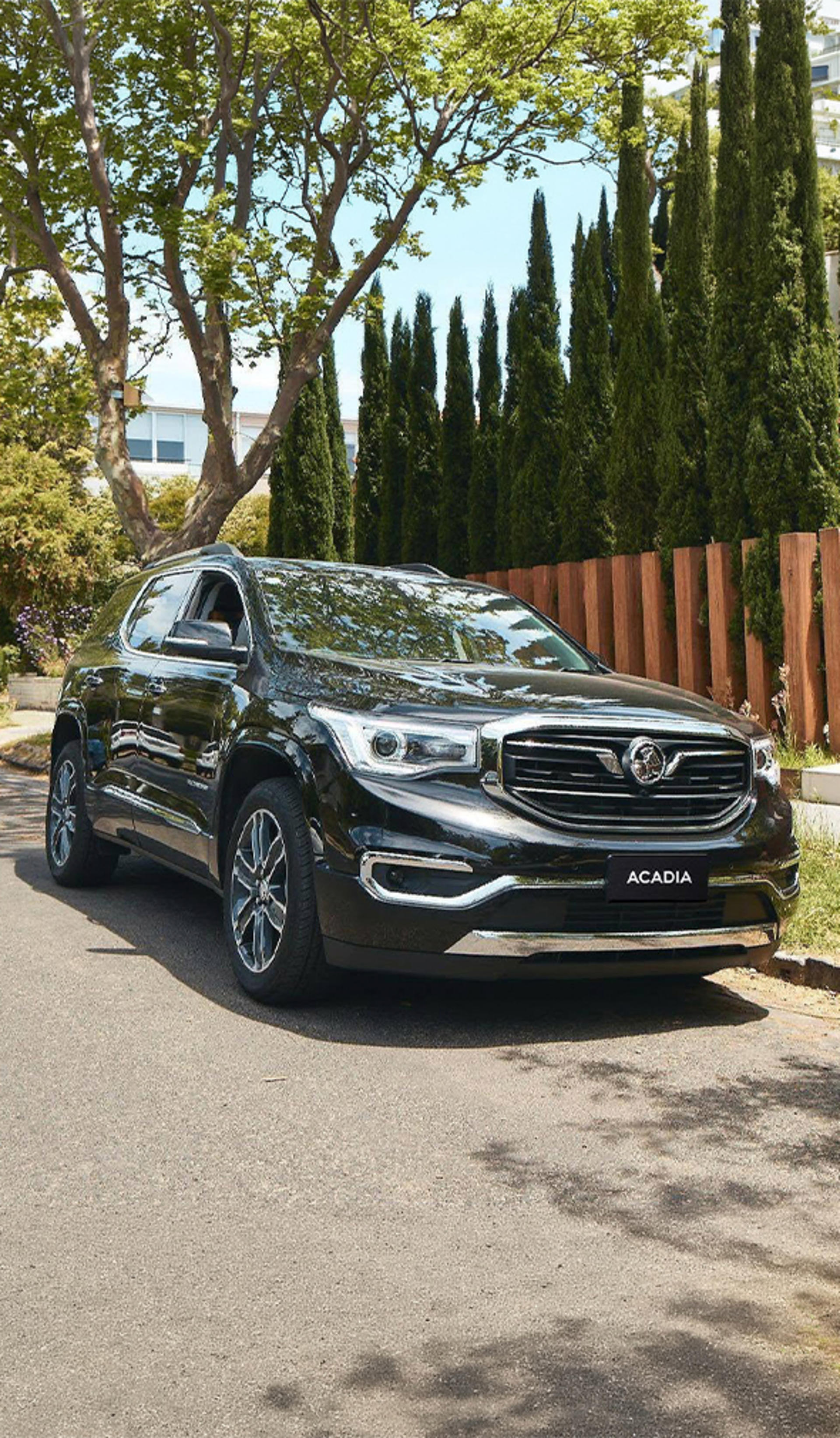
12. The Acadia's Rear Seat Reminder does not actually detect a passenger
This is an important one to understand properly.
The Holden Acadia's Rear Seat Reminder does not use a camera or seat sensor to work out whether a child, adult, pet or object is sitting in the back.
Instead, it watches the second-row doors.
If one is opened while the Acadia is running, or within roughly 10 minutes before it starts, the vehicle may display a reminder and sound chimes when you switch it off.
The logic is basically:
You opened a rear door earlier. Check why before you leave.
That means you can get the reminder when nothing more exciting than a backpack is sitting on the rear seat.
It also means you should never treat the absence of a warning as proof that the rear seats are empty.
Owner tip: Think of the system as a memory prompt, not a passenger detector. Always physically check the rear seats.
13. The Holden Volt has a second, more polite horn
Most car horns have one volume setting and one general message: Pay attention immediately.
The Volt offers something gentler.
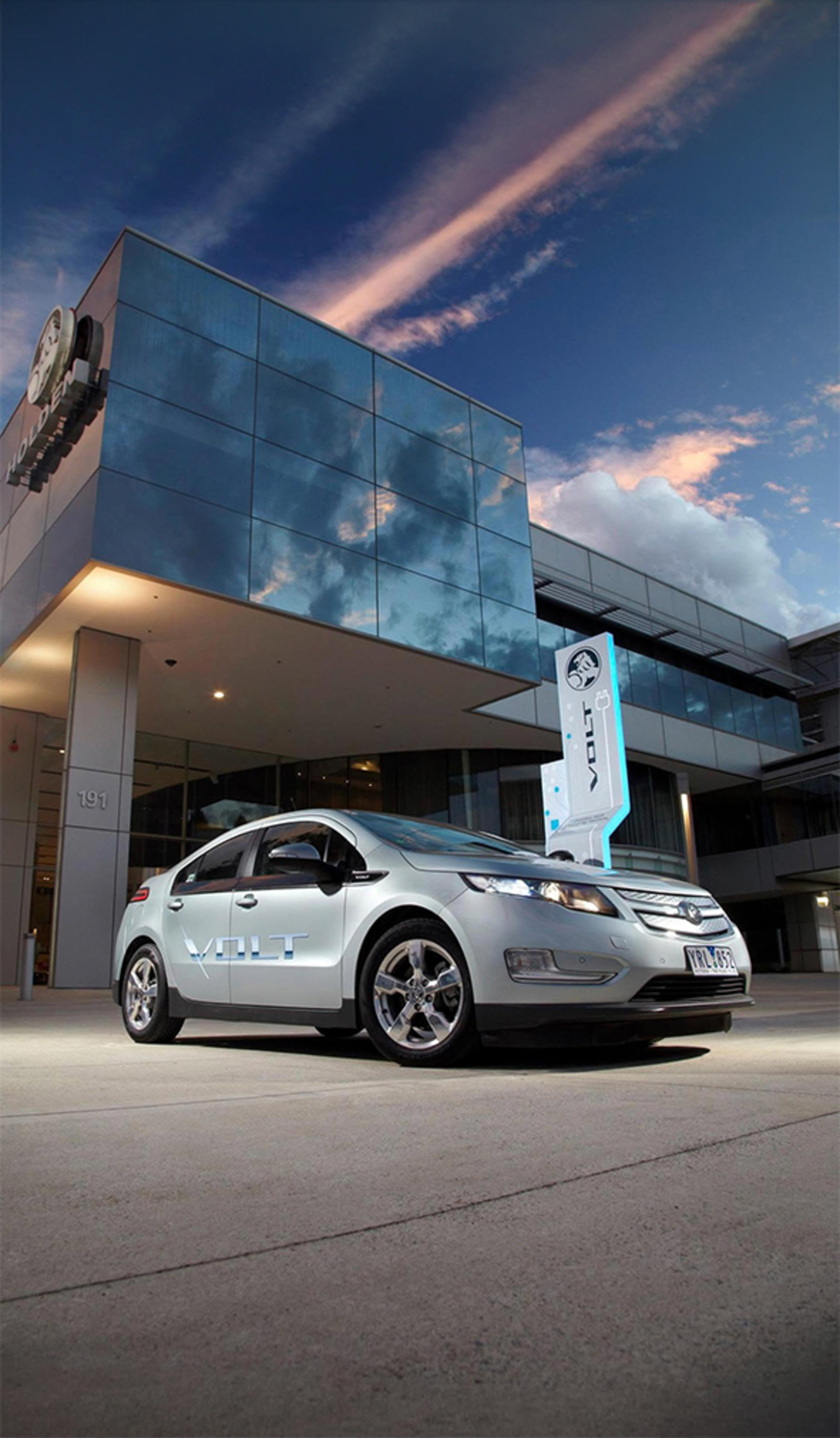
A button on the end of the indicator lever activates what Holden called the Pedestrian Friendly Alert - a brief, softer horn intended for low-speed situations where people nearby may not hear the electrically driven car approaching.
It works when the Volt is not in Park and is handy in car parks, shared driveways and other places where giving someone the full horn would feel a bit excessive.
The normal horn says: Move.
The Volt's second horn says: Excuse me, just coming through.
"Polite horn" may not be Holden's official terminology, but it really should have been.
14. The VF Commodore can hide a reversing-camera brightness control
Unlike most entries here, this is not one to treat as a guaranteed factory feature on every VF.
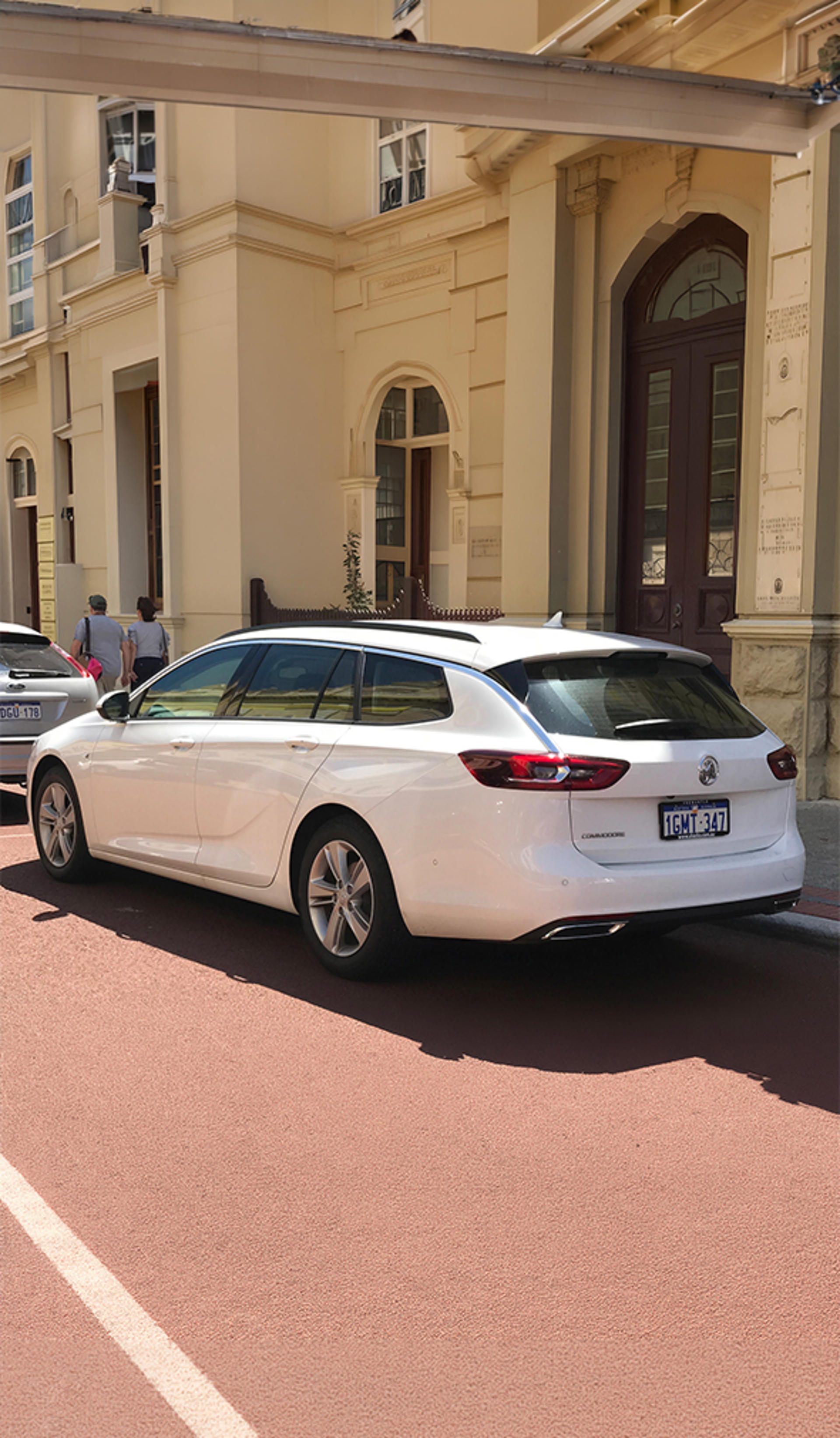
Owners of compatible VF MyLink systems have found a reversing-camera brightness adjustment that only appears while the camera is actually being displayed.
The commonly reported procedure is:
- Stop the car safely and keep your foot on the brake.
- Select reverse so the camera image appears.
- Press the TUNE/MENU control once.
- If the brightness adjustment appears, use the available controls to change the image.
The easily missed part is step three. Simply turning the knob may do nothing; pressing it while the reversing image is on-screen appears to reveal the adjustment on compatible systems.
Some owners also report that the chosen setting is remembered.
A camera that is unusually dark or bright can also have other causes, including dashboard dimming, the ambient-light sensor, camera deterioration, display problems or low vehicle voltage.
Treat this as a useful VF trick to try, not a promise that every car has it.
Owner tip: If nothing appears, do not assume you are doing it incorrectly. Model year, software, head unit and HSV-specific hardware can all affect whether the adjustment exists.
15. The Malibu hides a storage compartment behind its infotainment screen
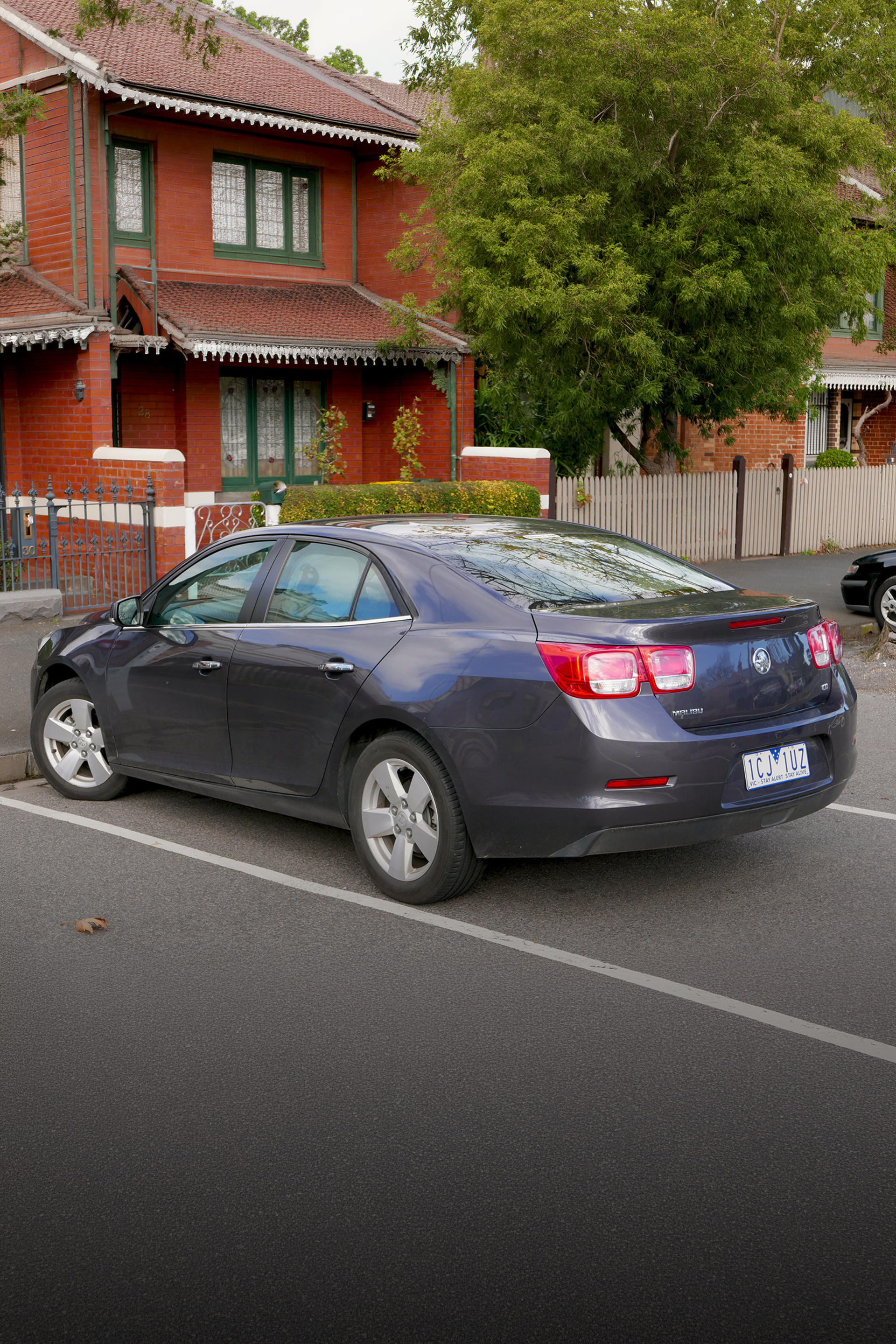
The centre screen in the Holden Malibu EM looks like a normal fixed infotainment display.
On some cars, it is also a door.
Press the release button beside the display and the screen assembly lifts open, revealing a storage compartment hidden behind it.
It is one of those features that feels far more satisfying than its actual complexity deserves, largely because the dashboard gives very little away when everything is closed.
The compartment is handy for small everyday items, although "hidden" should not be confused with "secure". It is still inside a car, not a safe.
Owner tip: The compartment was optional. If your Malibu does not have the release button or powered panel, do not try to prise the screen open. You will not discover a secret compartment. You will discover the price of replacement interior trim.
Holden may be gone, but the cars still have things to teach us
The showroom signs have come down, new Holdens are no longer arriving and the lion badge now belongs to a finished chapter of Australian motoring. But the cars themselves are still everywhere.
And for the people keeping them, maintaining them and enjoying them, there is something satisfying about discovering that a car you have owned for years can still surprise you.
Maybe your Astra can raise its own roof out of the way. Maybe your Commodore remembers which key is yours. Maybe your Volt has been quietly keeping an eye on its elderly petrol. Or perhaps your Malibu has had a compartment hiding behind the radio this entire time.
That is the fun of these features. They do not make a Holden faster, rarer or more valuable overnight. They simply give owners one more reason to know their cars a little better - and one more reminder that Holden sometimes put its cleverest ideas in places nobody thought to look.