
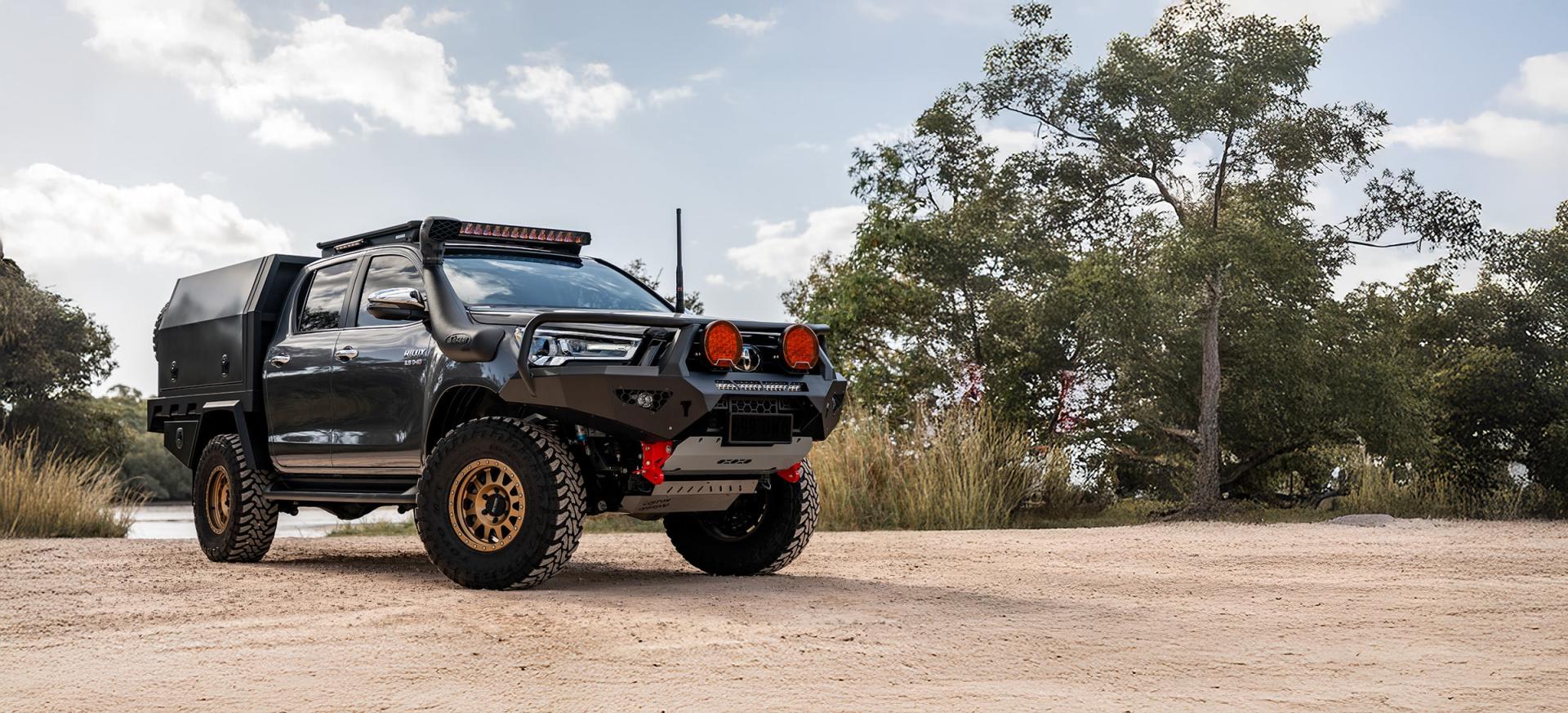
How to Maximise Your 4WD’s Resale Value in Queensland
Posted in Buyer Advice
How to Maximise Your 4WD's Resale Value in Queensland
Your 4WD may be a daily commuter, workhorse, tow vehicle and ticket to weekends away - sometimes all in the same week.
But when it is time to sell or trade it in, not every dollar you have spent on it will come back.
That expensive suspension setup may be perfect for your kind of touring. A future owner might see it differently.
Meanwhile, the decidedly less exciting things - service records, two working keys and tidy wiring - can have a much bigger influence on buyer confidence.
At Motorama, our buying team inspects and appraises hundreds of vehicles every week. They assess the vehicle itself, compare it with the current market and consider what it will take to prepare it for its next owner.
This guide explains what can genuinely improve your 4WD's resale value, what may not add as much as you expect and how Queensland conditions can affect the final result.
The quick answer: A well-maintained, mechanically sound and properly documented 4WD will usually be easier to value confidently than one with expensive but undocumented modifications. Keep your service history, retain both keys and original equipment, resolve safety and drivability issues, document every modification and present the vehicle cleanly without trying to disguise honest use.
What Really Determines Your 4WD's Value?
There is no single accessory, service or detailing package that decides what your 4WD is worth.
The market sets the starting range. That includes its:
- Make, model and variant
- Age and kilometres
- Fuel type and transmission
- Current demand
- Comparable vehicles available locally
Its individual condition then determines where it sits within that range.
Our appraisal process considers the vehicle's service history, kilometres, keys, original equipment, mechanical condition, tyres, windscreen, bodywork, modifications, accessories and demand as all factors that influence market value.
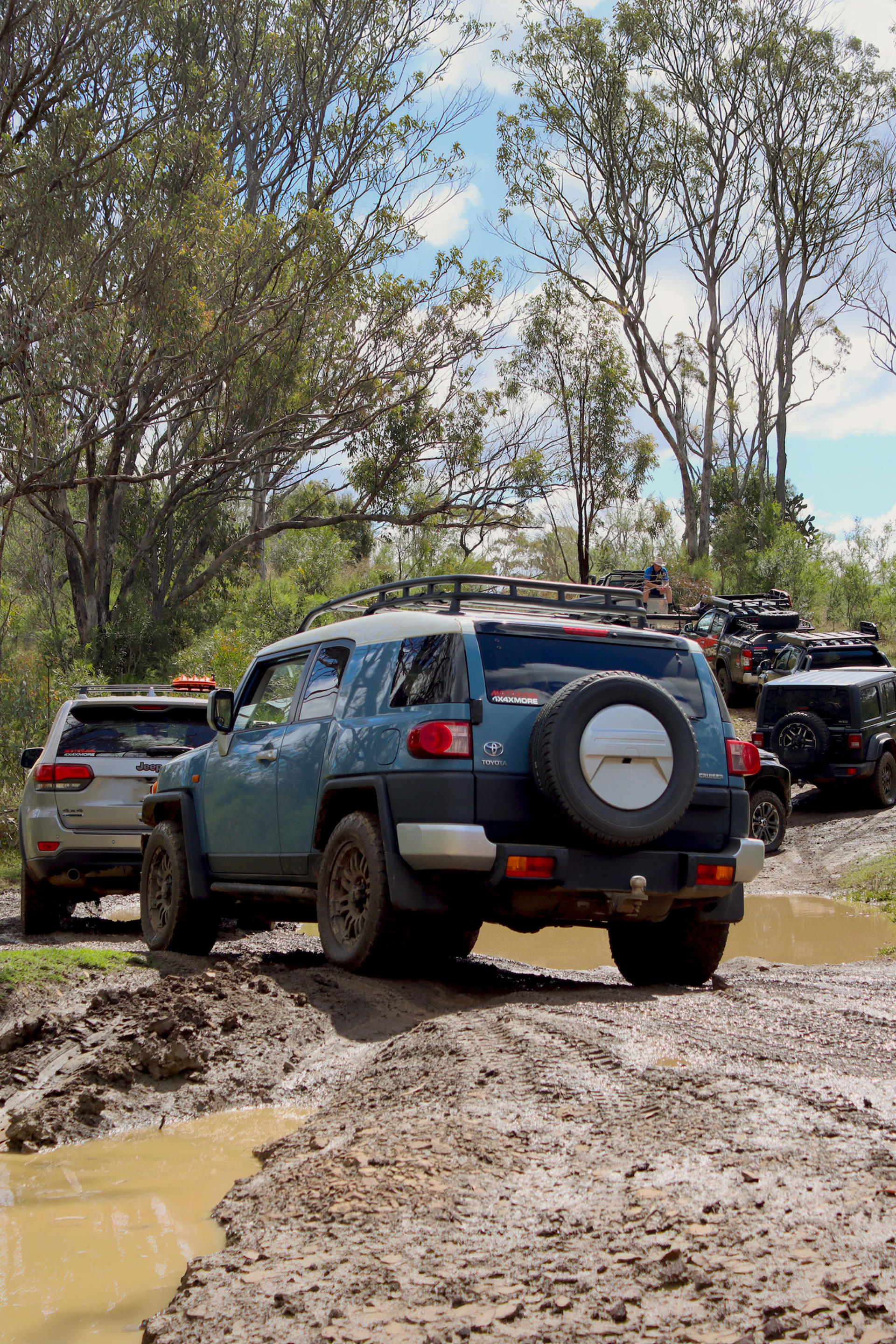
For a 4WD, buyers and appraisers will also be thinking about questions that do not always apply to an ordinary passenger car:
- Has it regularly towed?
- Has it carried heavy accessories or loads?
- Has it been driven on sand or through water?
- Are the modifications legal and professionally installed?
- Does the four-wheel-drive system operate correctly?
- Is there corrosion or impact damage underneath?
None of those uses automatically makes it a bad vehicle. A 4WD that has been used as intended can still be highly appealing.
What matters is whether it has been maintained, repaired and modified properly.
The Things That Genuinely Add Value
Complete service and repair records
A complete service history is one of the strongest ways to show that your 4WD has been looked after.
Do not stop at the stamped logbook. Gather any supporting invoices for:
- Scheduled servicing
- Timing-belt replacement, where applicable
- Transmission servicing
- Differential and transfer-case fluids
- Cooling-system work
- DPF diagnosis or repairs
- Suspension and steering work
- Wheel alignments
- Accessory installation
- Repairs completed after towing or off-road use
This creates a timeline the next owner can understand.
Our buying team says that, as a guide, missing or incomplete logbooks on a vehicle valued around $25,000 or more may reduce an offer by approximately 6% to 10%. That is not a fixed formula - one delayed service is assessed differently from a long, unexplained gap - but it shows how strongly documented maintenance can influence confidence.
For a diesel 4WD, records can be particularly useful. If a DPF warning, forced regeneration or related repair has occurred, evidence that it was correctly investigated is more reassuring than simply saying the warning light went away.
Strong mechanical and driveline condition
A shiny bonnet will not make up for a vehicle that shudders under braking, vibrates at highway speed or refuses to engage low range.
Before selling, pay attention to:
- Warning lights
- Unusual cold-start noises
- Oil or coolant leaks
- Steering pull or vibration
- Brake shudder
- Suspension knocks
- Rough or delayed gear changes
- Driveline vibration
- Faults with 4H, 4L, diff locks or terrain modes
- Electrical problems caused by aftermarket accessories
Mechanical problems generally have a greater effect on an appraisal than minor cosmetic wear because they create immediate repair costs and greater uncertainty.
That does not mean every older 4WD needs to be mechanically perfect. It means known problems should either be repaired properly or disclosed clearly.
Both keys and all the original equipment
The easiest value improvement may be sitting in a drawer at home.
Bring both original keys, along with any equipment that belongs with the vehicle, such as:
- Headrests
- Removable third-row seats
- Cargo blinds
- Spare wheel
- Factory jack and tools
- Wheel-lock key
- Owner's manual
- Tow tongue
- Infotainment accessories
- Factory components removed during modification
Replacing missing equipment adds cost. A second modern key alone can cost hundreds of dollars, depending on the vehicle.
Keeping factory parts is particularly useful with a modified 4WD. The next owner may appreciate the option to return the vehicle to a more standard setup.
Clean, honest presentation
First impressions still count.
Give the vehicle a proper wash, vacuum the cabin, remove unnecessary gear and clear out the tray, tub or cargo area. Clean around door jambs and make sure unpleasant odours, pet hair and old food packaging are not distracting from the vehicle itself.
For a 4WD, the underside matters too. Accumulated sand, mud and salt can make it difficult to assess what is underneath.
The aim is to make inspection easy - not to create the impression that something has been hidden.
A clean engine bay is fine. An engine covered in fresh silicone shine immediately before an inspection may create more questions than confidence. The same applies to a small section of freshly painted chassis or newly applied underseal with no explanation.
Transparency about how it has been used
Off-road kilometres are not automatically bad kilometres.
Towing a caravan does not automatically mean the transmission is damaged. Driving on the beach does not automatically mean the chassis is rusty. A 4WD can do all of those things and remain in excellent condition.
Be prepared to explain:
- What it regularly towed
- How frequently it towed
- Whether it carried constant heavy loads
- What type of off-road driving it has done
- How it was cleaned after sand driving
- Whether water crossings were involved
- What maintenance followed demanding trips
A clear explanation backed by records is much more useful than insisting the vehicle has "never been off-road" while its bash plates and all-terrain tyres tell another story.
Do 4WD Accessories and Modifications Add Value?
They can - but rarely dollar-for-dollar.
A buyer is unlikely to add the full original price of every bull bar, awning, suspension component and piece of camping equipment to the vehicle's standard market value.
An accessory is more likely to help when it passes four tests:
- It is useful to a broad group of buyers.
- It is in good condition and suits the vehicle.
- It has been properly installed and documented.
- It meets current Queensland requirements.
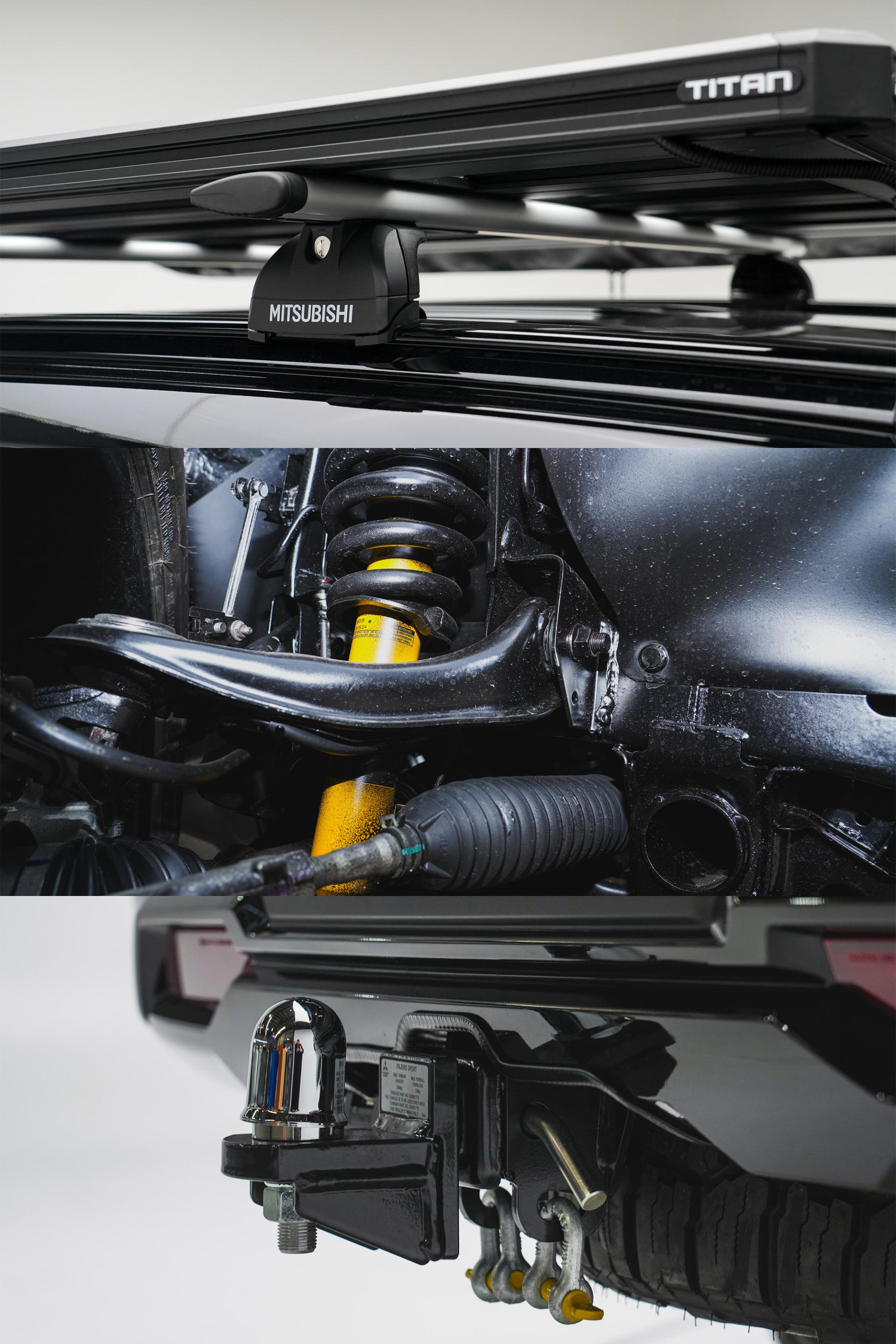
Depending on the vehicle and buyer, useful equipment may include a quality towbar, canopy, roof racks, bull bar, brake controller or professionally installed auxiliary-power system.
But even good equipment can narrow the market. A touring setup that is ideal for two people travelling remotely may be inconvenient for a family that mainly uses the vehicle around Brisbane.
Paperwork makes modifications easier to trust
Keep installation invoices, product information, warranty documents and any engineering or approval paperwork.
Queensland Transport and Main Roads distinguishes between minor, basic and complex modifications. Additions such as a towbar or roof racks may be treated as minor modifications where the vehicle continues to meet the applicable standards. More significant work, including some suspension upgrades, mass re-ratings, engine upgrades, body modifications and steering or brake changes, may require an approved modification code and certification by an Approved Person.
Do not assume a modification is legal simply because a workshop installed it or because the vehicle previously passed registration.
For upgrades such as a suspension lift or GVM change, make sure the components fitted to the vehicle match the documentation provided. Remember that bull bars, winches, canopies, drawers, long-range tanks and roof-rack systems also consume payload.
Quality matters more than quantity
A smaller number of well-chosen accessories can be easier to value than a long list of additions from unknown brands.
Buyers may be cautious about:
- Untidy or unfused wiring
- Loose accessory mounts
- Household-style electrical connectors
- Poor battery mounting
- Unsealed snorkel installations
- Oversized tyres that rub
- Excessive suspension changes
- Engine tunes without supporting information
- Modifications that make the vehicle harder to insure or register
The price written on the accessory receipt is not its resale value. Its resale value is what the next buyer is willing to pay for it as part of that particular vehicle.
What Does Not Add as Much Value as Owners Often Expect?
The full cost of your 4WD build
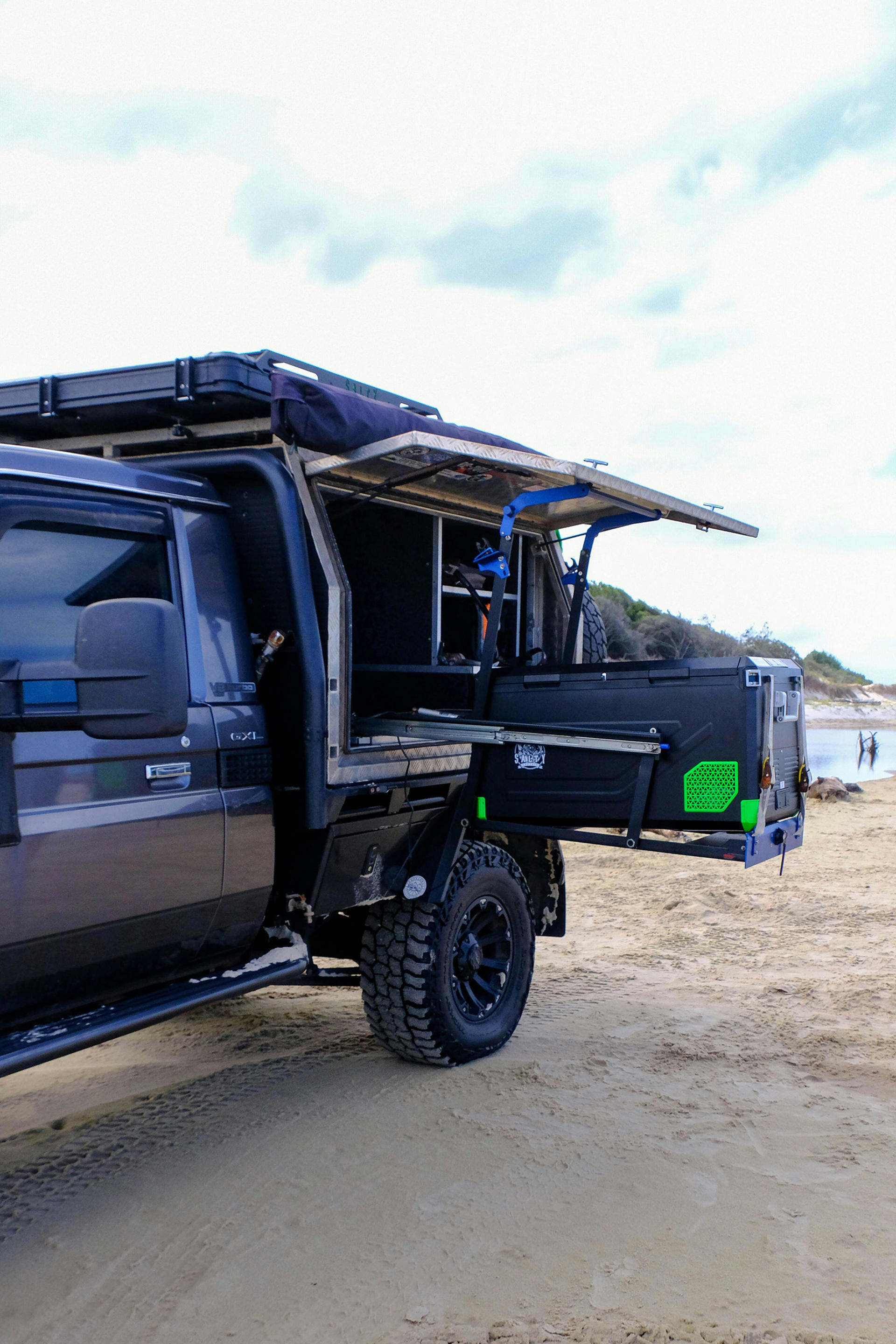
Spending $15,000 on a touring setup does not automatically make the vehicle worth $15,000 more.
You chose those accessories for your own work, travel or recreational needs. The next owner may want a different setup, a less modified vehicle or something easier to use every day.
This does not make the equipment worthless. It simply means the market may only recognise part of what it originally cost.
Extreme or highly personal modifications
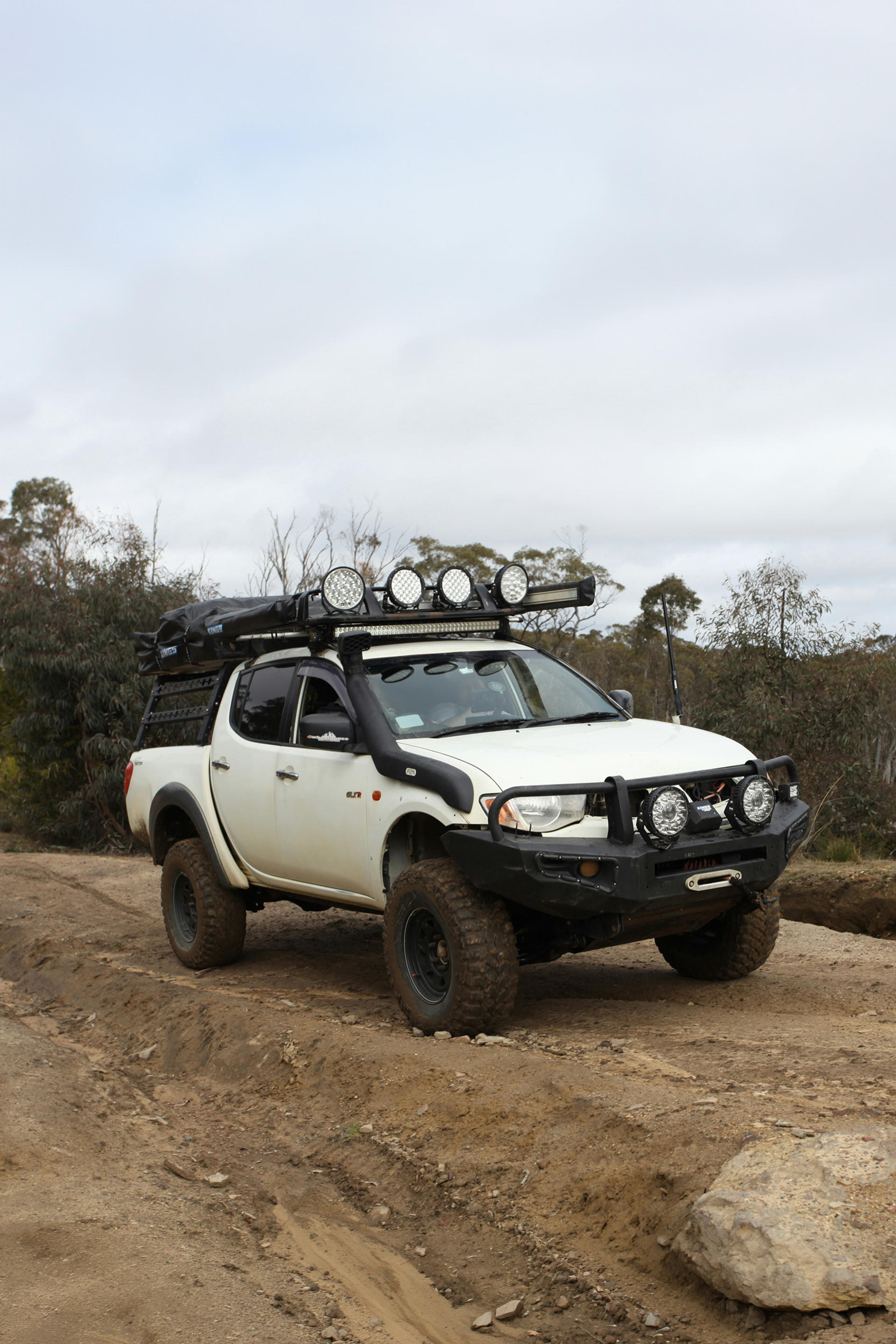
A heavily lifted vehicle on oversized tyres may attract an enthusiast. It may also discourage buyers looking for a family vehicle, daily commuter or tow vehicle with predictable road manners.
Modifications that reduce buyer interest can include:
- Very high suspension lifts
- Aggressive wheel and tyre combinations
- Loud exhaust systems
- Significant body cutting
- Unexplained engine tuning
- Highly personalised wraps or graphics
- Permanent camping fit-outs with limited everyday practicality
- Poorly documented GVM or suspension work
Returning a 4WD to standard is not always necessary. But if your setup is unusually specialised and you still have the original parts, it may be worth asking for an appraisal before deciding which way to present it.
A last-minute accessory shopping spree
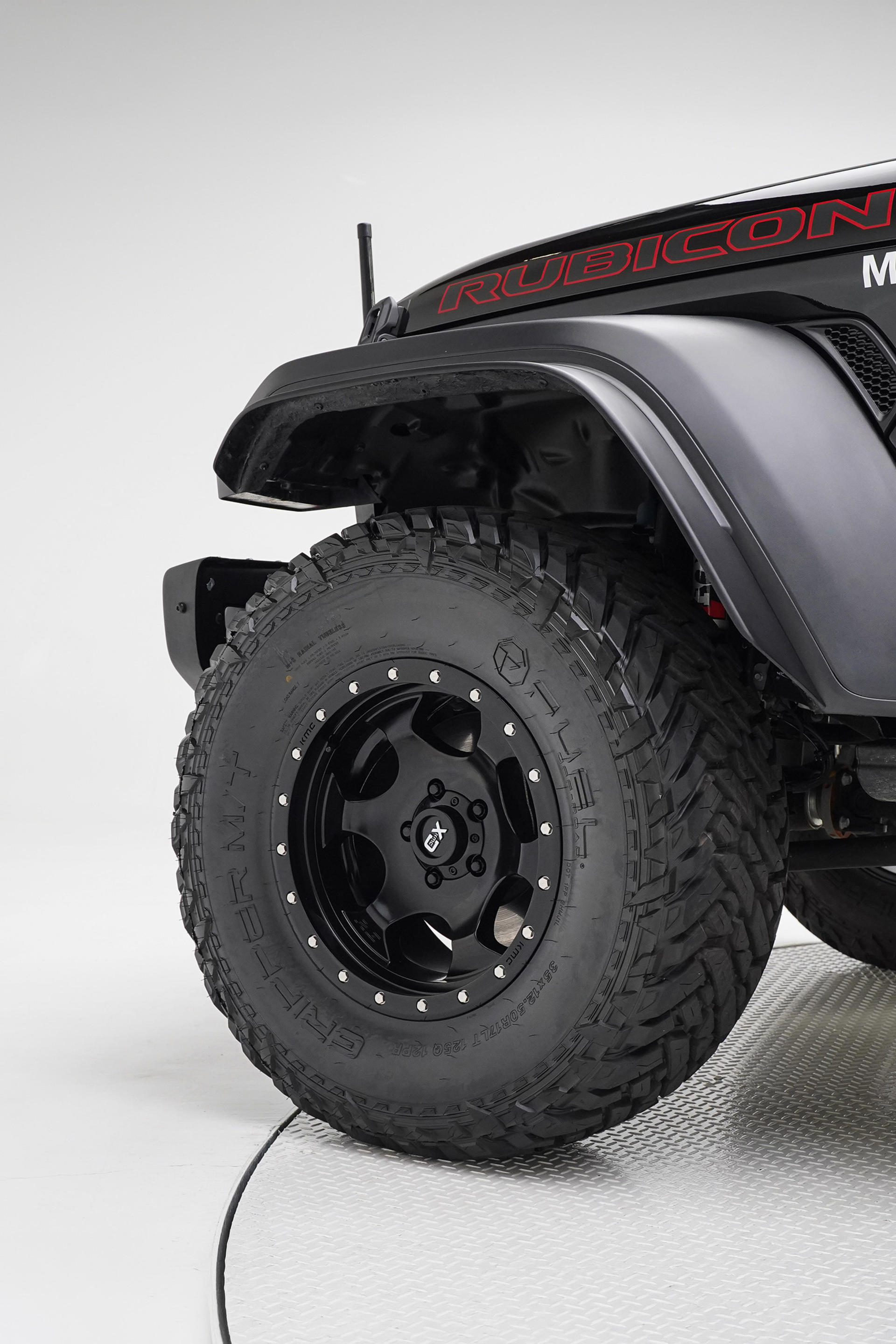
Adding a new awning, light bar or set of expensive wheels immediately before selling is unlikely to be the most efficient use of your money.
The same applies to replacing serviceable tyres with a premium set purely to improve the listing. If the current tyres are unsafe, damaged, non-compliant or close to preventing a safety certificate, that is a different matter.
Spend first on safety, maintenance and drivability. Treat discretionary accessories as a personal purchase, not a guaranteed investment.
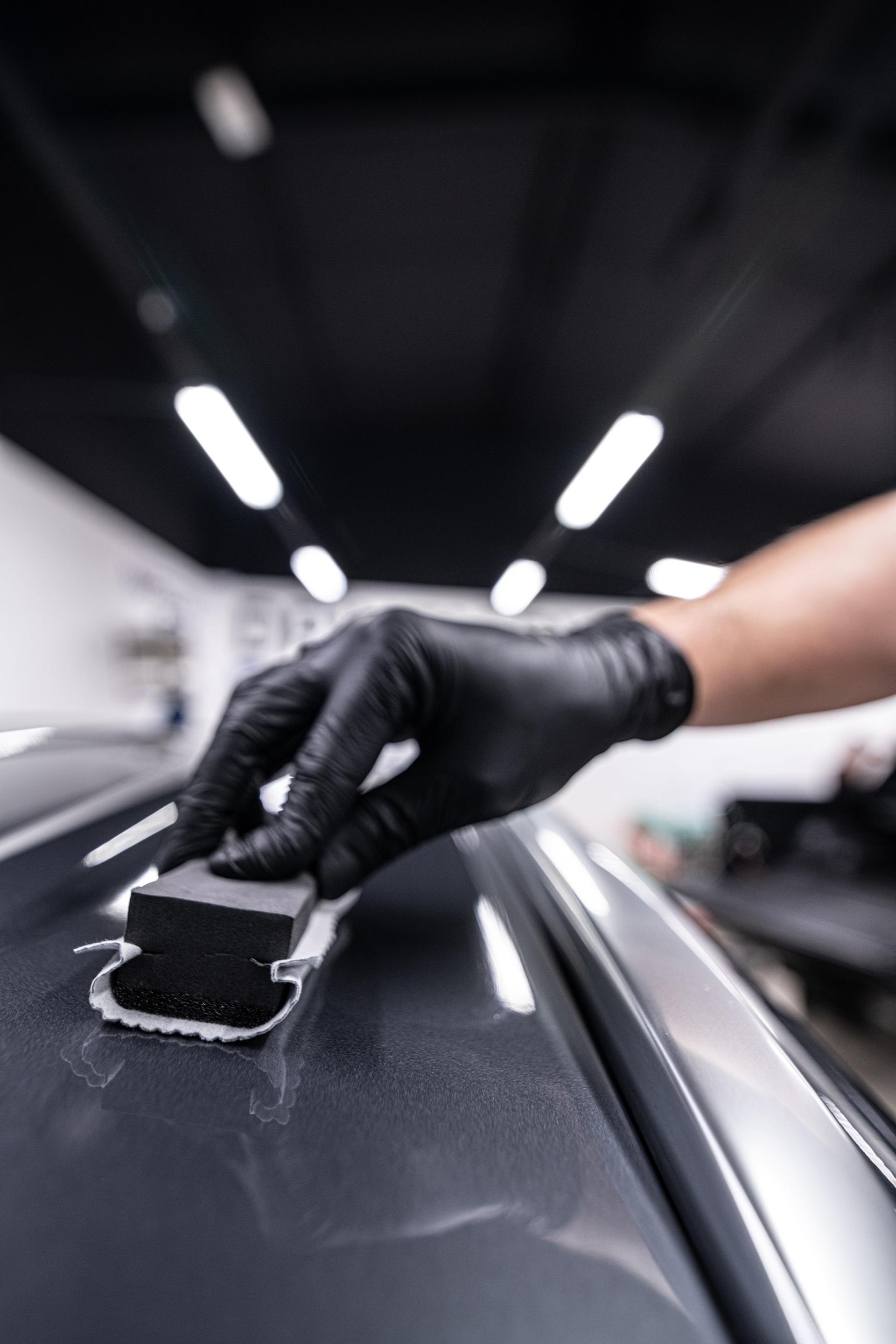
An expensive detail that ignores the real problems
A professional detail may help a well-kept vehicle present at its best.
It cannot cancel out:
- A missing service history
- Warning lights
- Rust
- Driveline problems
- Bald tyres
- Missing equipment
- Poor modifications
The Motorama buying team focus on condition, safety and retail appeal rather than expecting perfection. The team suggests keeping presentation spending realistic because non-essential repairs can cost more than the value they add.
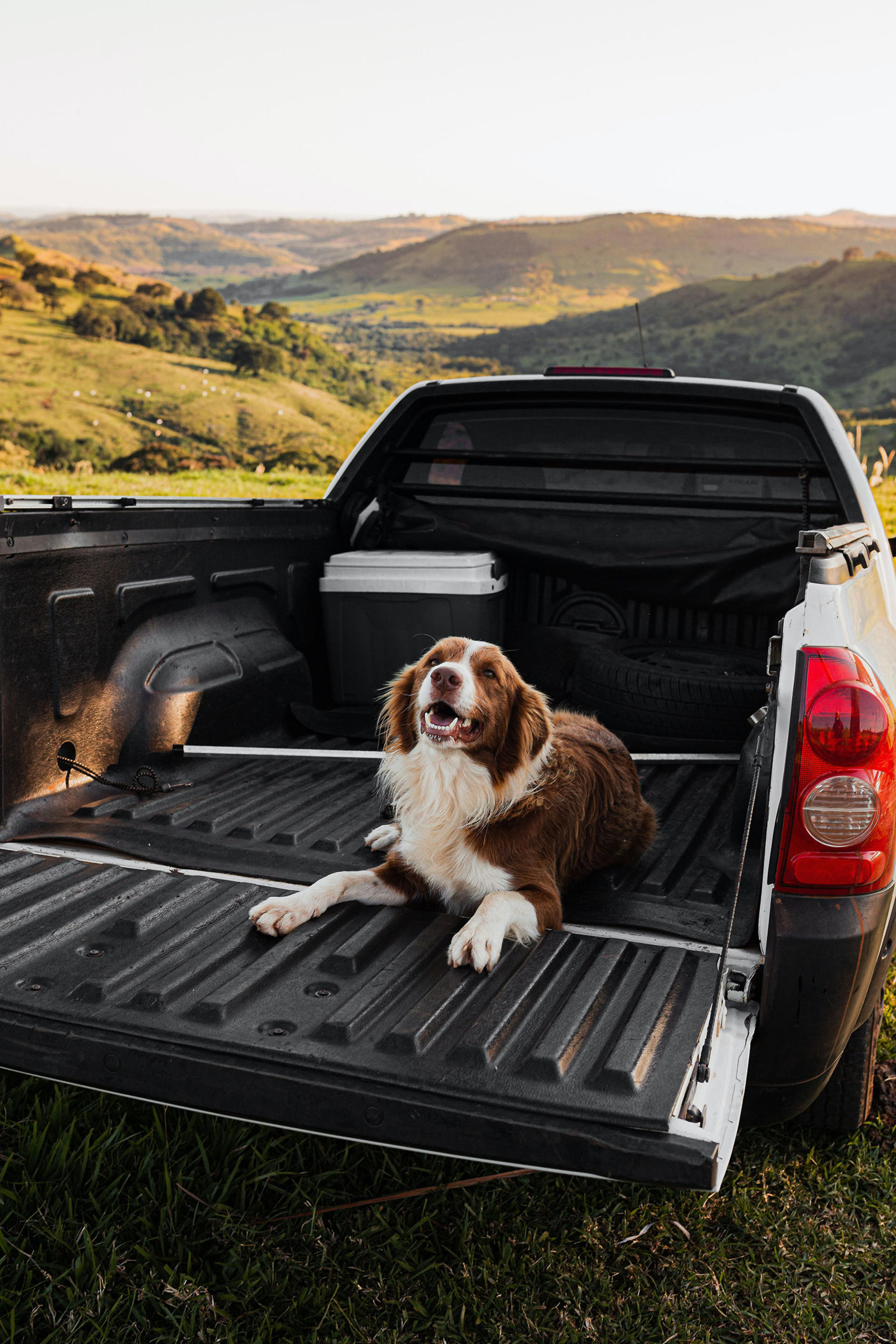
Repairing minor signs of honest 4WD use
Do not assume every mark needs to be repaired.
Light scratches on a bash plate, small stone chips, minor marks in a tub or cargo area and normal seat wear may be entirely reasonable for the vehicle's age and use.
Trying to turn an eight-year-old touring 4WD into a showroom car can become expensive very quickly. Focus on the overall pattern of care, not cosmetic perfection.
Brisbane and Queensland Factors That Can Affect Resale Value
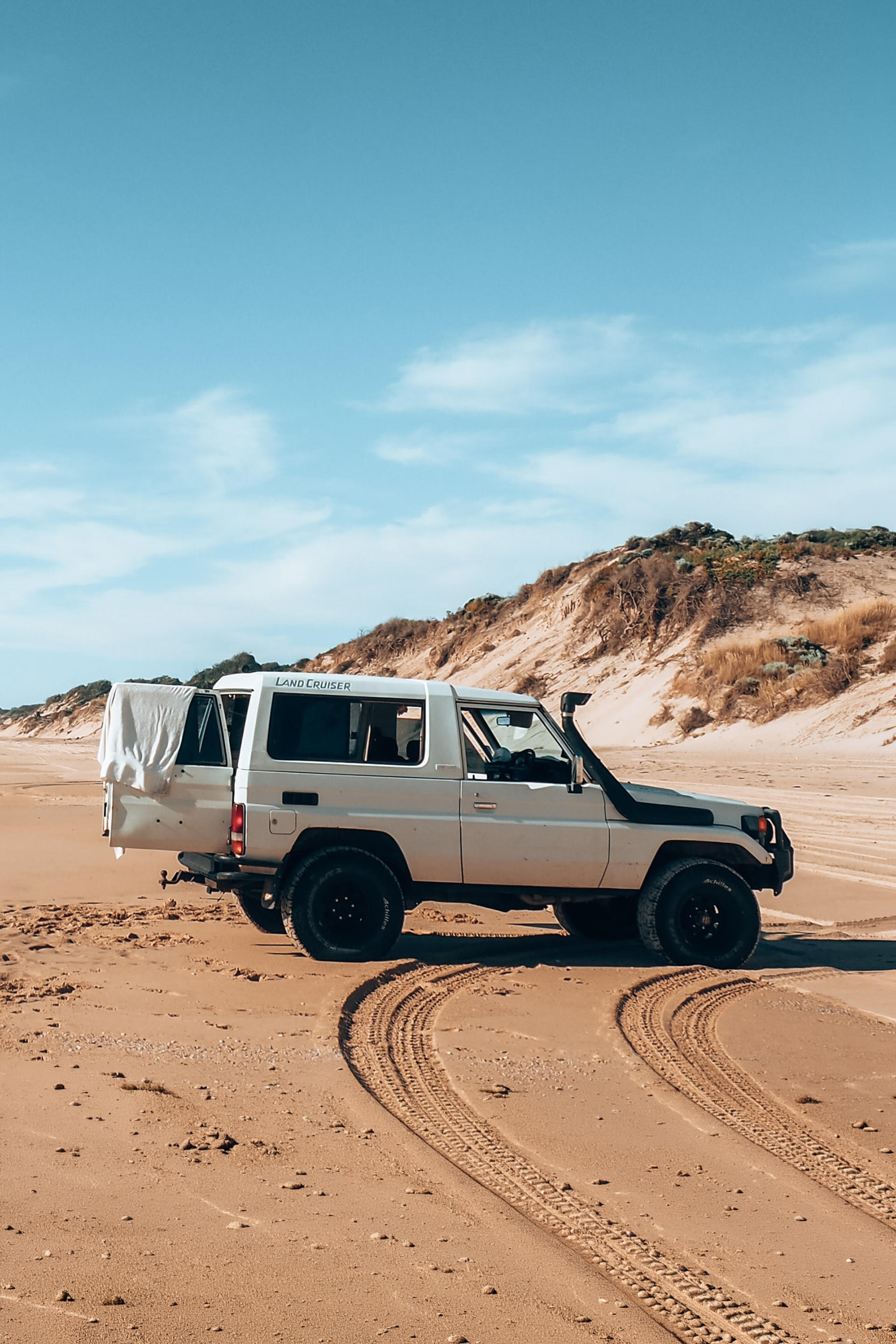
Sand, salt and coastal use
Beach trips are part of the appeal of owning a 4WD in South East Queensland.
The problem is not the trip itself. It is sand and salt being left in chassis cavities, seams, behind protection plates and around suspension or brake components.
Before selling, inspect for:
- Trapped sand
- Salt residue
- Corroded fasteners
- Flaking or scaling rust
- Corrosion around chassis welds
- Rust near body or suspension mounts
- Damaged underbody protection
Light surface corrosion on exposed exhaust components is different from structural corrosion. Where there is uncertainty, have it assessed professionally rather than covering it with a fresh coating.
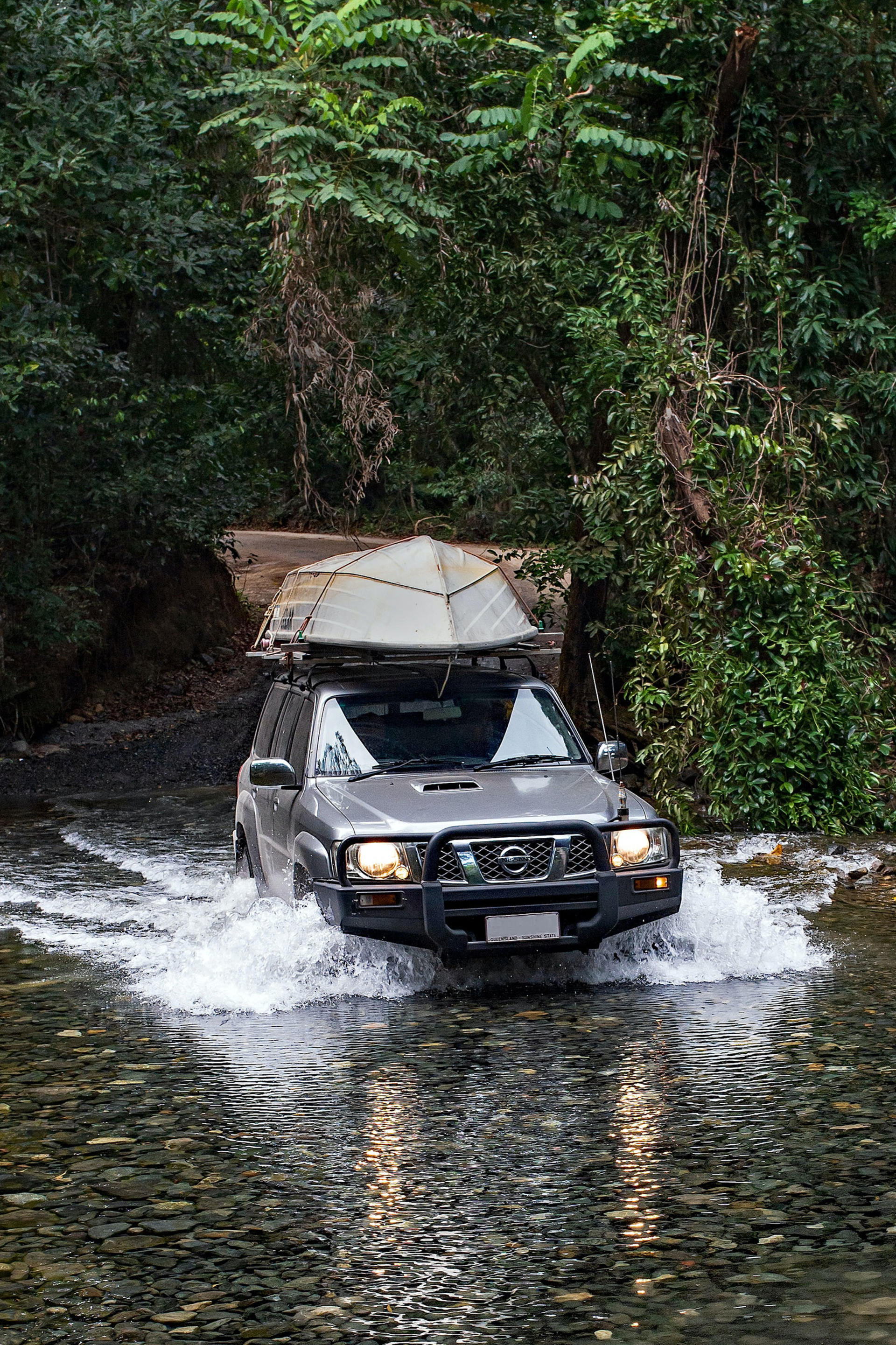
Floodwater and deep water crossings
Brisbane and South East Queensland buyers are understandably alert to possible water exposure.
Warning signs can include musty smells, damp underlay, silt beneath trim, corrosion around seat mounts, moisture in lights and damaged electrical connectors.
If your 4WD has experienced water intrusion, transparency matters. Have it assessed, keep the repair records and explain exactly what happened.
Floodwater can cause contamination and electrical problems that may appear well after the cabin has dried.
Towing and heavy loads
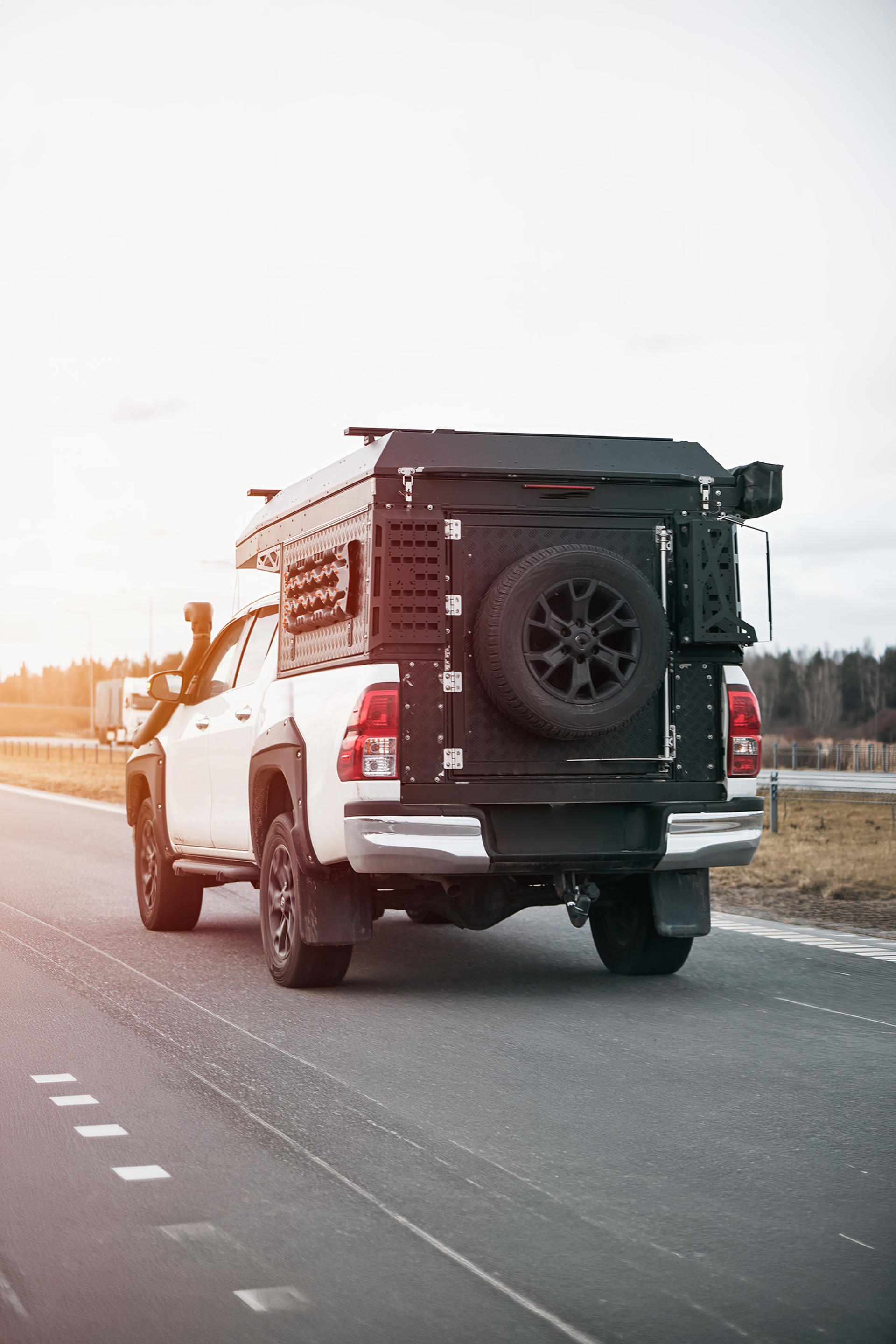
A towbar can add practical appeal, but it also prompts questions about how the vehicle has worked.
Check the condition of the towbar, trailer plug, brake controller, rear suspension and associated wiring. Keep records of transmission, differential and cooling-system maintenance where applicable.
If the vehicle has carried a canopy, tools, drawers, long-range tank or other permanent equipment, understand how that equipment affects available payload.
Short urban trips in diesel 4WDs
Some diesel 4WDs need the right driving conditions to complete a DPF regeneration cycle.
A vehicle that has mainly completed short, low-speed trips may have experienced warning lights or incomplete regenerations.
There is no universal fix that applies to every vehicle.
Follow the owner's manual and keep documentation for any forced regeneration or related repair work.
What Is Worth Fixing Before You Sell?
Start with items that affect safety, drivability or the buyer's ability to confidently assess the vehicle.
Prioritise these:
- Dashboard warning lights
- Starting or battery problems
- Braking faults
- Steering or suspension issues
- Significant fluid leaks
- Unsafe or damaged tyres
- Windscreen damage that may affect certification
- Faults with the 4WD system
- Loose or unsafe accessory wiring
- Missing factory safety equipment
- Serious rust or structural damage
Get a quote before committing to these:
- Full resprays
- Major paint correction
- Replacing serviceable tyres with premium tyres
- Cosmetic suspension replacement
- Removing a complete touring setup
- Replacing a missing second key
- Repairing every small dent or stone chip
A repair may still be worthwhile. The important step is comparing its likely effect on the offer with what it will cost.
Remember the Queensland Safety Certificate rules
For a registered light vehicle sold privately in Queensland, a current safety certificate is generally required before the vehicle is disposed of and its registration transferred. You do not need the certificate simply to advertise the vehicle, and one is generally not required when the vehicle is traded to a licensed motor dealer.
A safety certificate checks specified basic safety items, including tyres, brakes, steering, suspension, rust, windscreens and lights. It is not a comprehensive mechanical assessment of the vehicle's quality or remaining life.
That distinction matters. Passing a safety certificate does not necessarily mean every mechanical issue has been resolved.
Your 4WD Pre-Sale Checklist
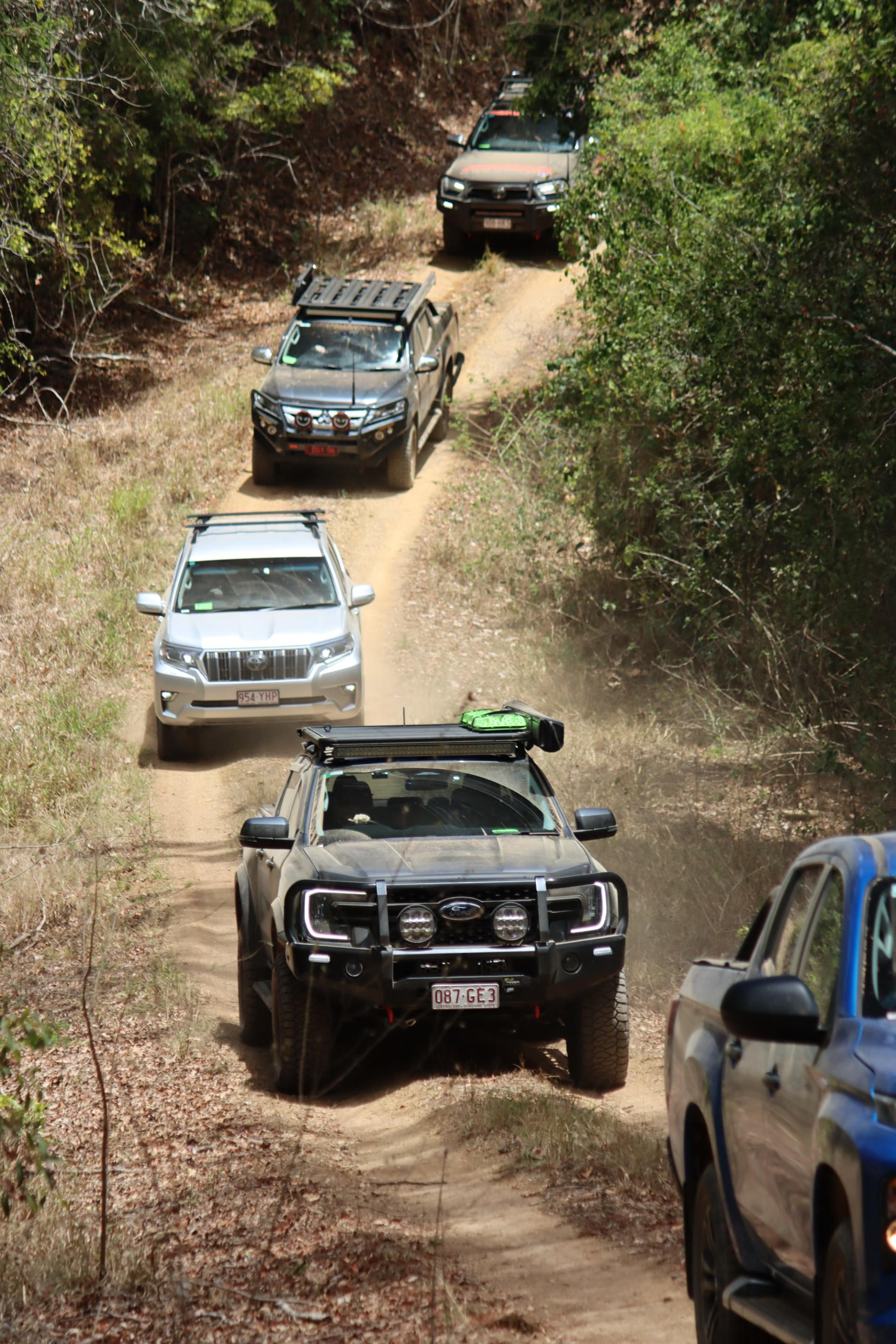
Before requesting an appraisal or listing your 4WD, work through these ten steps:
- Collect the logbook, service invoices and repair receipts.
- Locate both keys and all original equipment.
- Gather receipts and approval paperwork for modifications.
- Check that every warning light behaves normally.
- Test the vehicle's 4WD functions according to the owner's manual.
- Inspect the tyres, spare wheel, windscreen and lights.
- Look underneath for leaks, impact damage, trapped sand and corrosion.
- Remove personal equipment and present the cabin, tray or cargo area neatly.
- Be ready to explain towing, off-road and beach use honestly.
- Compare the vehicle with the current market before spending heavily on repairs or detailing.
If finance remains owing, have a current payout figure or letter from the finance provider ready.
Motorama can purchase or accept a trade-in with finance outstanding, subject to the payout and sale process.


